-
28/08/2025 - 30/06/2026
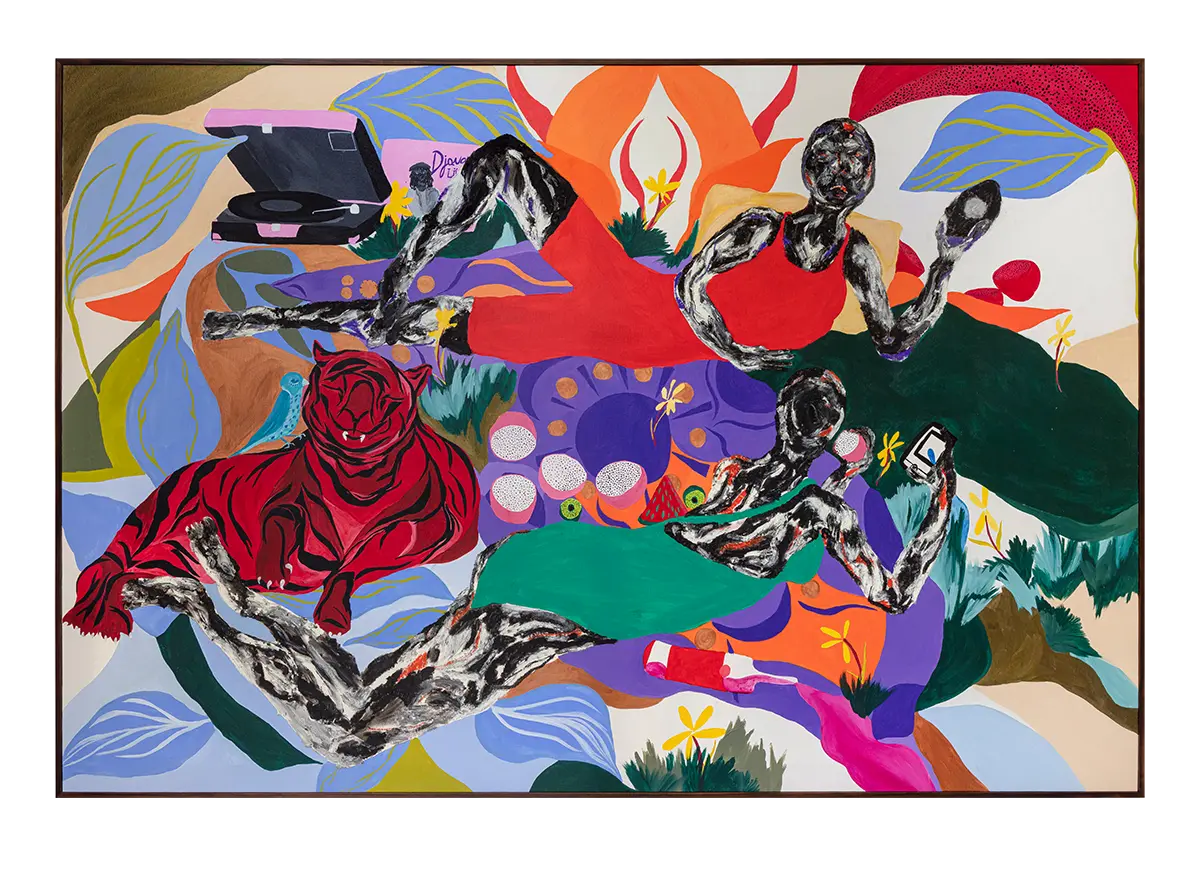
Sandra Gamarra Heshiki | Jangueando
Sandra Gamarra Heshiki takes part in “Jangueando: Recent Acquisitions, 2021–2025”, on view at El Museo del Barrio, New York until 2026. Featuring nearly forty recently accessioned works, the exhibition reflects on spaces of gathering, kinship and collective resilience.
Museo del Barrio | Nova York, NY, USA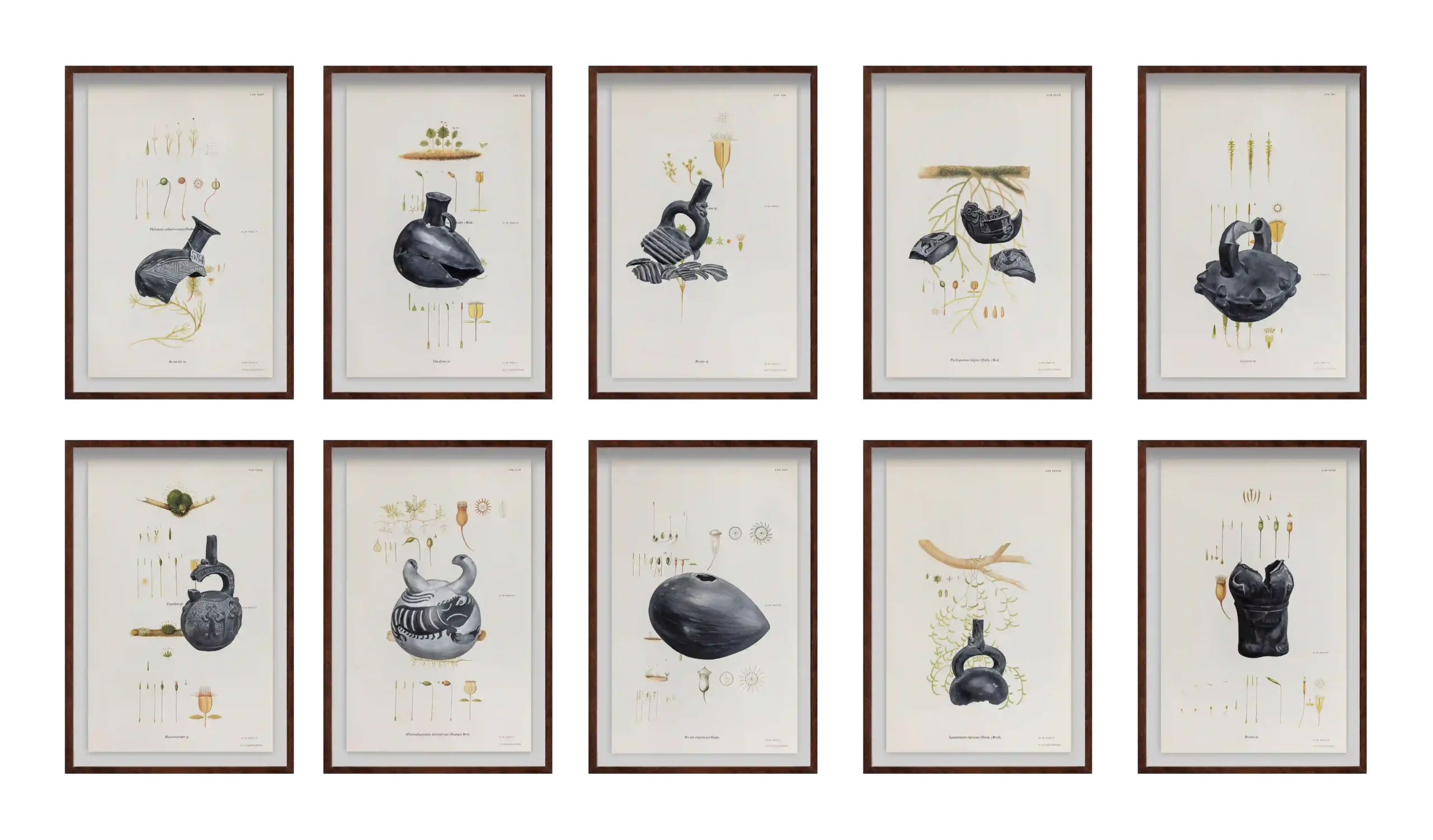
-
23/02/2026 - 30/03/2026
Jorge Enciso | Gabriela Giroletti
The gallery opens its space as a public studio, inviting visitors to follow the creative process of artists Jorge Enciso and Gabriela Giroletti in real time. The project shifts the focus from the finished object to the act of making, humanizing artistic production and reaffirming the importance of in-person encounters.
During this period, the public will be able to observe Jorge Enciso’s clay transforming into ceramic objects, while Gabriela Giroletti’s blank canvases gradually take shape through her abstract visual language. With each visit, a new configuration emerges, reinforcing the idea that the artwork is a living organism in constant transformation.
Hours: Mon–Fri, 9am–6pmGaleria Leme | Av. Valdemar Ferreira, 130, Butantã - São Paulo, SP, Brasil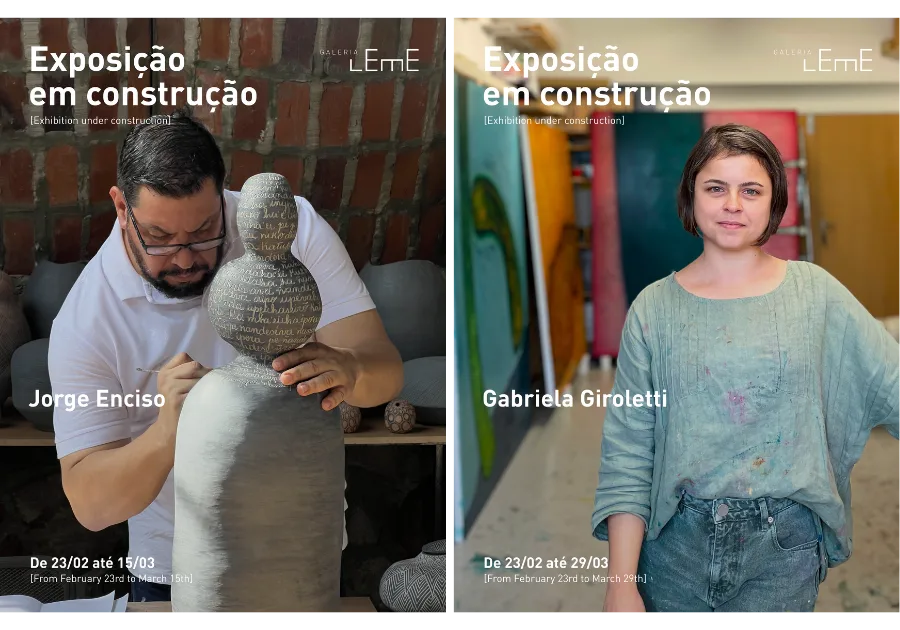
-
06/03/2026 - 07/06/2026
Sandra Gamarra Heshiki | Réplica
The first panoramic exhibition dedicated to Sandra Gamarra Heshiki brings together around 80 works produced over 25 years. Since the late 1990s, the artist has developed an institutional critique, exemplified by the creation of the fictional museum LiMac. Through the critical appropriation of paintings and sculptures—particularly from the colonial period—she employs the “replica” as a strategy to question established narratives and the supposed neutrality of museums. Organized in partnership with the Museu de Arte de Lima, the exhibition also challenges the traditional chronology adopted by Latin American museums.
AV Paulista, 1578 | MASP - Museu de Arte de Sâo Paulo Assis Chateaubriand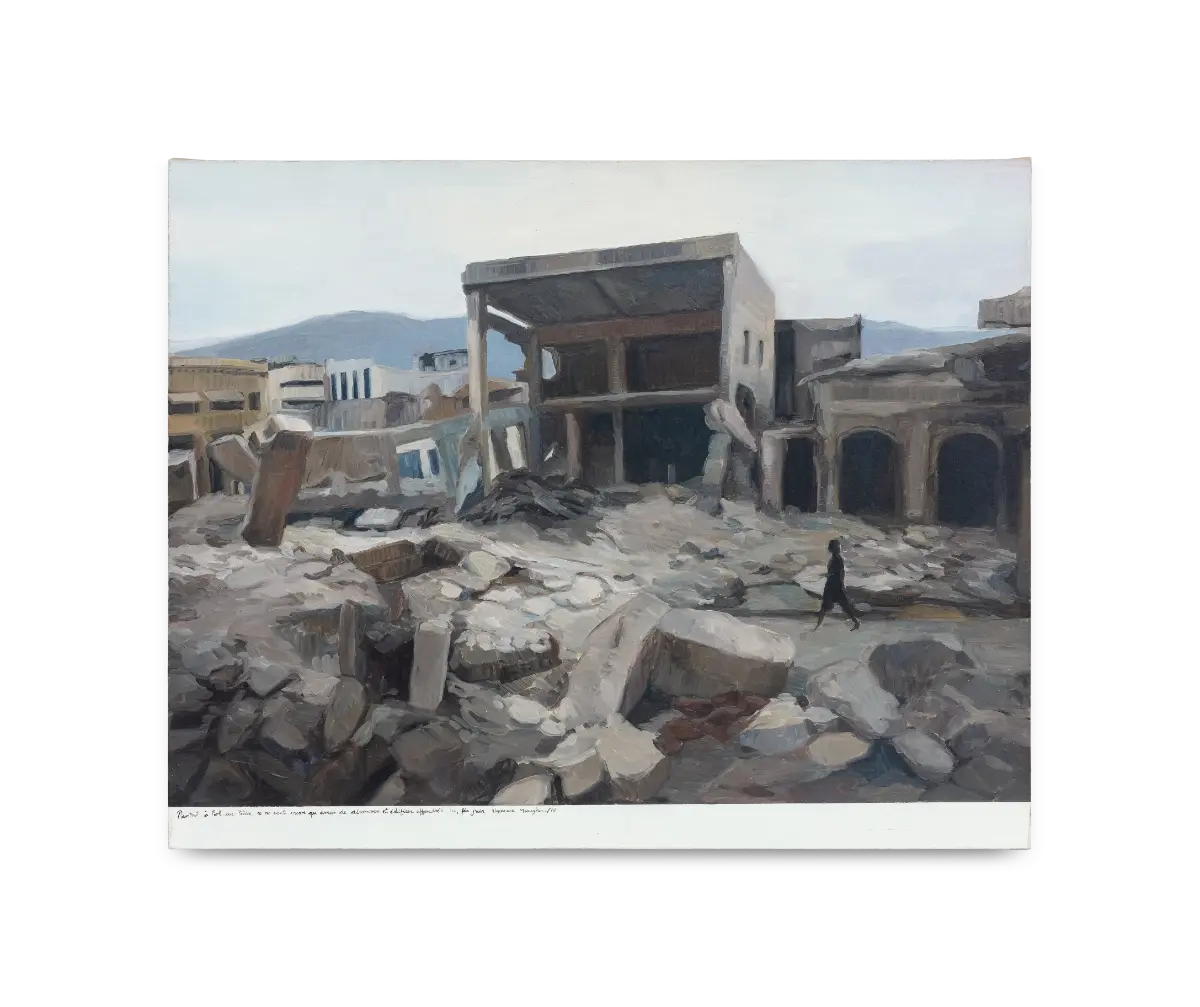
-
24/11/2025 - 17/05/2026
Sandra Gamarra Heshiki e Tiago Sant’Anna | Debret em questão – 2025
Debret in Question – Contemporary Perspectives critically revisits the legacy of Jean-Baptiste Debret, particularly his work Voyage pittoresque et historique au Brésil (Picturesque and Historical Voyage to Brazil), through the lens of a vibrant generation of contemporary artists currently active in the country. Confronting the nineteenth and twenty-first centuries, France and Brazil, historical painting and new media, the exhibition proposes a dialogue between past and present, problematizing images, narratives, and historical constructions. Within this context, the participation of Sandra Gamarra Heshiki and Tiago Sant’Ana stands out, as their practices critically engage with colonial legacies and modes of historical representation. Curated by Jacques Leenhardt and Gabriela Longman, the exhibition is part of the France–Brazil Season 2025, celebrating 200 years of diplomatic relations between the two countries, following a more concise presentation at the Maison de l’Amérique Latine, in Paris.
Museo do Ipiranga, São Paulo, BR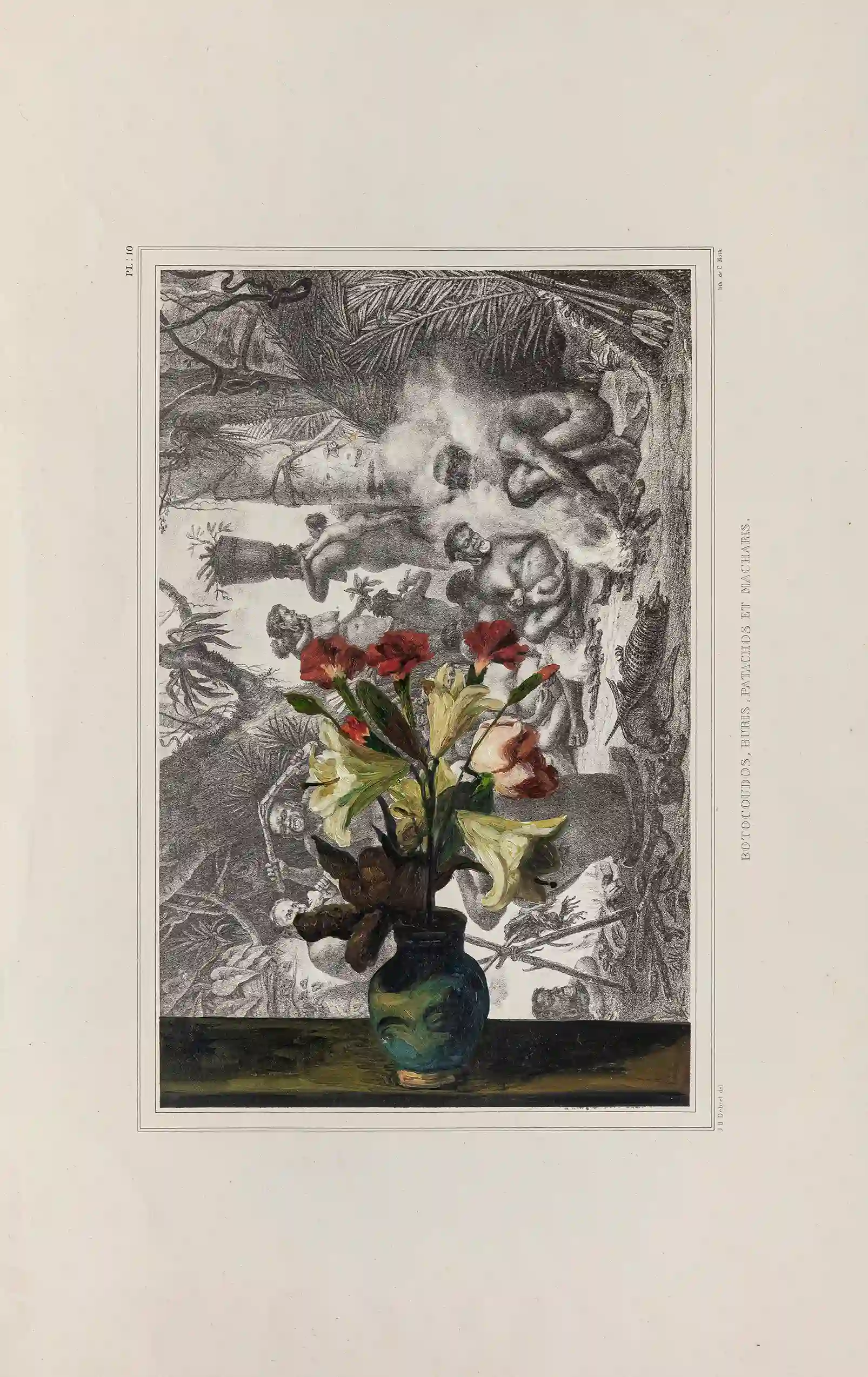
-
02/03/2026 - 17/05/2026
Heloisa Hariadne | Ancestral: Afro-Américas
Heloisa Hariadne is participating in the exhibition Ancestral: Afro-Américas at CCBB Rio de Janeiro. Curated by Ana Beatriz Almeida and Lauren Haynes, with artistic direction by Marcello Dantas, the show brings together more than 100 works exploring the African diaspora and its influence on the visual arts of both countries.
Ancestral creates a dialogue between Afro-Brazilian and African American artists in celebration of the bicentennial of diplomatic relations between Brazil and the United States. The exhibition addresses themes such as body, dream, and space, encouraging reflections on Afro-American identity and decolonial art. Heloisa Hariadne’s work joins a selection of artists who celebrate African roots and their relevance in shaping a new perspective on contemporary art.
CCBB Brasília, DF