Archives: Calendários
-
05/02/2025 - 29/03/2025
José Carlos Martinat | “Essência: Matéria”
The solo exhibition “Essence: Matter” by José Carlos Martinat at the N.A.S.A.L gallery merges medicine and spirituality. Featuring jute structures dyed with natural pigments, the work draws inspiration from the SARS-CoV-2 genome and traditional healing practices, creating a sensory environment unified through fabric, sound, and aroma.
San Luis Potosí, 123 - Roma Norte Cuauhtémoc, Cidade do México
-
21/02/2025 - 20/05/2025
Elisa Sighicelli | Museu Poldi Pezzoli
The Poldi Pezzoli Museum presents the exhibition of Elisa Sighicelli , who reinterprets its collection of ancient glass through photography and light. Creating an immersive environment in the Collector’s Room, the artist transforms the transparency of glass into fantastic entities, poetically merging past and present.
Via Manfredo Fanti, 5, 20122 Milão, Itália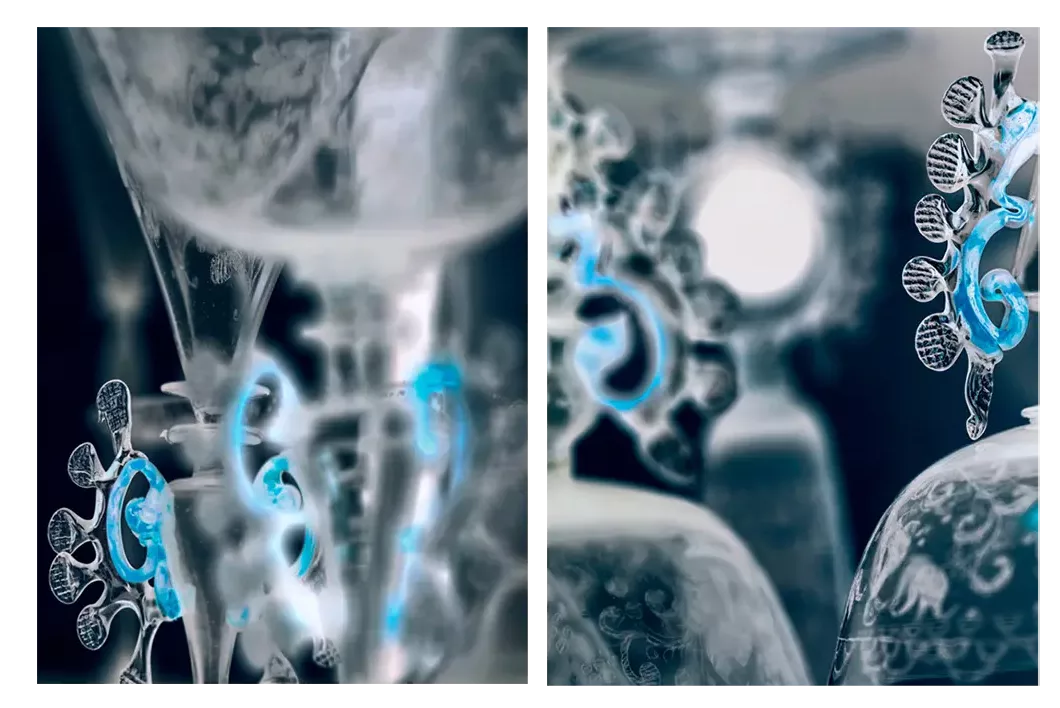
-
17/02/2025 - 27/04/2025
Luiz Braga | Fullgás – Visual Arts and the 1980s in Brazil
The exhibition Fullgás – Visual Arts and the 1980s in Brazil brings together around 300 works by more than 200 artists, highlighting the diversity of artistic production from 1978 to 1993. Curated by Raphael Fonseca, Amanda Tavares, and Tálisson Melo, the show features renowned names such as Adriana Varejão and Beatriz Milhazes, as well as artists from various regions of Brazil. Luiz Braga, known for his photographs that explore light and Amazonian culture, plays a prominent role, reinforcing the relevance of art beyond the Rio-São Paulo axis.
SCES, Trecho 2 – Brasília/DF
-
11/12/2024 - 30/06/2025
Tiago Sant’Ana | Delírio Tropical
Tiago Sant’Ana is participating in the exhibition “Delírio Tropical” at the Pinacoteca do Ceará. The show is part of the 3rd Fotofestival SOLAR and brings together 133 artists exploring the complexities of Brazil. Curated by Orlando Maneschy and Keyla Sobral, the exhibition presents a visual cartography of the country. As part of the show, Tiago Sant’Ana showcases “Refino #2 (2017)”, a work that challenges coloniality. Ultimately, the exhibition offers a multifaceted perspective on Brazil.
Rua 24 de maio, Praça da Estação s/n Centro, Fortaleza · CE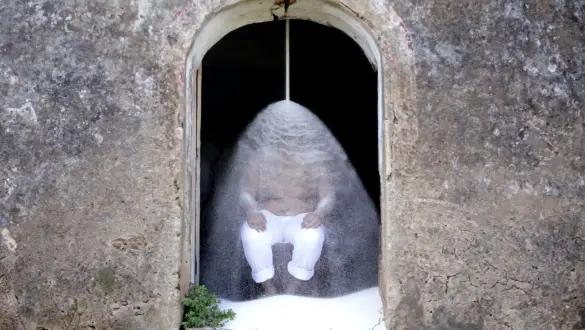
-
06/12/2024 - 08/06/2025
Felipe Rezende | 31º MAJ
Felipe Rezende is part of the 31st Youth Art Exhibition (MAJ) at Sesc Ribeirão Preto. Additionally, Camila Fontenele and Tiago Gualberto curate the event, solidifying it as a platform for artistic experimentation. In this way, the exhibition values contemporary young production and connects it to the current Brazilian context. As part of the show, Felipe Rezende presents Das tripas nuvens (2024), a work that blends memory and fiction, inspired by a fishing trip in Bahia. Finally, the artist incorporates the red boat, a recurring metaphor in his work, to reflect on social inequalities and the right to rest and dream.
R. Tibiriçá, 50 - Centro, Ribeirão Preto - SP,
-
02/12/2024 - 15/02/2025
Tiago Sant’Ana | Invisible Luggage
The exhibition “Invisible Luggage” highlights Tiago Sant’Ana . Additionally, it takes place during Art Week under the curatorship of Beth Rudin DeWoody, Laura Dvorkin, Maynard Monrow, Zoe Lukov, and Auttrianna Ward, ensuring a broad and multifaceted approach. In this context, more than 50 artists present works that explore memory and displacement. The Historic Hampton House, recognized as a landmark of the Civil Rights Movement, strengthens the connection between art and social resistance. Moreover, the space inspires reflections on identity and freedom. In this way, the exhibition emphasizes the importance of art in preserving collective memory.
4200 NW 27th Ave. Miami, FL 33142 - Historic Hampton House, Miami, FL, EUA [USA]
-
12/11/2024 - 05/05/2025
Luiz Braga | “Amazonias. El futuro ancestral”
Luiz Braga is participating in the exhibition “Amazonias. El futuro ancestral”, currently on display at the Centre de Cultura Contemporània de Barcelona – CCCB in Spain, curated by Claudi Carreras. For this reason, the exhibition highlights the cultural and natural richness of the Amazon through the works of Indigenous artists. Additionally, Luiz Braga stands out, as his photography captures the colors and everyday life of the Amazon. In this way, the exhibition invites the public to a sensory immersion in the Amazonian ecosystem. Consequently, it encourages reflections on the region’s ecological importance. Finally, the exhibition reinforces the need to preserve this essential territory for the planet.
Centre de Cultura Contemporània de Barcelona Montalegre, 5 - 08001 Barcelona, Espanha
-
19/01/2025 - 31/08/2025
Zilvinas Kempinas | Même les soleils sont ivres
Zilvinas Kempinas is participating in the exhibition “Même les soleils sont ivres”, currently on display at the Collection Lambert in Avignon, France. As part of the Avignon Terre de Culture 2025 celebrations, the exhibition takes its title from a phrase by Albert Camus in La Postérité du soleil.
The exhibition brings together contemporary and classical works, including installations, videos, photographs, sculptures, and paintings, exploring the sensitive relationship between humans and the land they inhabit, shaped by a climate influenced by the wind.
Collection Lambert - Avignon, France
-
02/12/2024 - 15/12/2024
Tiago Sant’Ana
“Invisible Baggage” Exhibition with Tiago Sant’Ana at the Historic Hampton House during Miami Art Week
Group Exhibition
The Historic Hampton House, a landmark of the Civil Rights Movement, will host the 2nd edition of the Invisible Baggage exhibition during Miami Art Week. Curated by women artists, the show explores the invisible burdens faced in themes such as social justice and immigration.
The exhibition features a diverse range of works, including paintings, sculptures, and installations, with contributions from artist Tiago Sant’Ana, who delves into issues of identity and Afro-descendant memory.
Celebrating the resilience and strength of individuals, Invisible Baggage connects contemporary art to the rich historical legacy of the Hampton House. The event reflects values such as resistance, refuge, and community while paying tribute to artists who continue to challenge the status quo.
Historic Hampton House | 4200 NW 27th Ave. Miami. FL 33142
-
16/11/2024 - 11/01/2025
Candida Höfer
“Europe/America” Exhibition at Sean Kelly Gallery, Los Angeles
Exposição Individual
Candida Höfer’s solo exhibition, titled “Europe/America,” is currently on view at the renowned Sean Kelly Gallery, located in Los Angeles, USA. Curated by Sharon Johnston and Mark Lee, this solo exhibition will be open to the public until January 11, 2025. The exhibition presents a selection of 10 photographs that Höfer created between 1993 and 2015. These works explore how architecture reflects the cultural history of different places and times, thereby offering a unique perspective on the impact of built environments.
Moreover, the photographs in this solo exhibition are notable for their symmetrical compositions, capturing interiors intended for entertainment, study, and worship. Consequently, these images create a fascinating visual dialogue between North American and European spaces. They highlight both the similarities and differences between the societies that inhabit them. Furthermore, the choice to exclude human figures from the photographs allows viewers to contemplate more deeply the impact of spaces on their occupants. This, in turn, encourages reflection on the relationship between architecture and cultural identity.
Additionally, the solo exhibition “Europe/America” invites the audience to consider how architectural spaces can serve as silent witnesses to cultural and social evolution. Through her lens, Höfer offers us an opportunity to explore the beauty and complexity of the environments that shape our daily lives. Moreover, the absence of human figures in the images not only intensifies attention to architectural details but also suggests an open narrative. Thus, the viewer is free to imagine the stories these spaces could tell.
Finally, this solo exhibition encourages reflection on cultural identity through architecture and highlights the differences and similarities between North American and European societies, using compelling, symmetrical photographs that offer unique insights into built environments. By examining these striking visuals, audiences are encouraged to think about how architecture shapes not only physical spaces but also the cultural and historical narratives that define a society. The interplay between light, form, and structure in Höfer’s work therefore adds depth to this exploration, inviting a more profound appreciation of the spaces we inhabit and their role in our collective experience.
1357 Highland Ave, Los Angeles, CA 90028, Estados Unidos