Archives: Calendários
-
12/04/2025 - 07/09/2025
Luiz Braga | Arquipélago Imaginário
A exposição Luiz Braga: Arquipélago Imaginário, em cartaz no Instituto Moreira Salles, em São Paulo, apresenta um amplo panorama da produção do artista, reunindo 258 fotografias ao longo de 50 anos — 190 delas exibidas pela primeira vez. Com curadoria de Bitu Cassundé e assistência de Maria Luiza Meneses, as obras estão organizadas em nove núcleos temáticos permeáveis, ocupando dois andares do IMS.
Sem caráter retrospectivo, a montagem propõe uma leitura ensaística do arquivo do fotógrafo, enfatizando o gesto de “espiar” como método poético. Paisagens, retratos e cenas ribeirinhas surgem em preto e branco, cor e infravermelho, refletindo a relação entre imagem, território e convivência.
As imagens oferecem um olhar íntimo e contínuo sobre a Amazônia urbana, periférica e ribeirinha, distanciando-se de estereótipos cristalizados e destacando a intimidade e o cotidiano amazônico. Valorizam também a escuta e as histórias populares que atravessam o trabalho de Braga, do Marajó às margens urbanas do Pará.
O projeto museográfico é assinado pelo Vão Arquitetura, e todas as ampliações em preto e branco foram realizadas de forma analógica no laboratório do IMS no Rio.
IMS Paulista - São Paulo, Brazil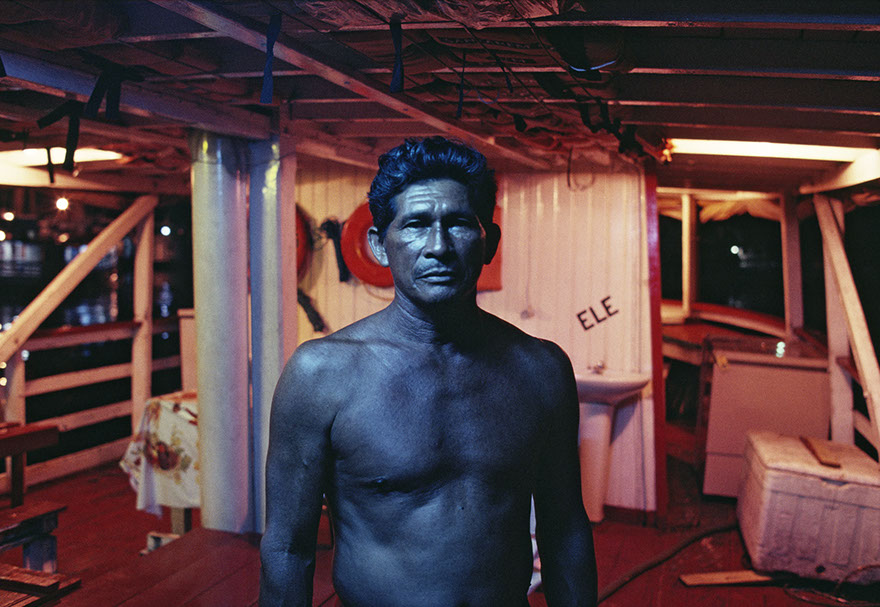
-
14/03/2025 - 15/06/2025
Heloisa Hariadne | Farol Santander
The exhibition by Heloisa Hariadne at Farol Santander features 24 works, including 19 previously unseen pieces, comprising paintings and ceramics. Curated by Aldones Nino, it marks a new phase in the artist’s career, in which landscapes are dissolved and natural and everyday elements are interwoven. The ceramics emphasize the relationship between color and form, while the paintings explore the plasticity of the atmosphere. The exhibition expresses memory, imagination, and years of research.
Rua João Brícola 24 , Centro, São Paulo, SP
-
28/02/2025 - 08/06/2025
David Batchelor | It Must Be Seen. The Autonomy of Colour in Abstract Art.
The exhibition “It Must Be Seen. The Autonomy of Colour in Abstract Art” explores color as a central element in 20th and 21st-century art. Featuring paintings, sculptures, installations, and videos, it highlights artists who have freed color from representation. David Batchelor is part of the exhibition, bringing his exploration of color and its vibrant presence in space.
Castelló 77, 28006 Madrid, Espanha
-
17/05/2025 - 07/09/2025
Luiz Braga | Mondes en commun
The Mondes en Commun festival at the Musée Départemental Albert-Kahn features works by 10 contemporary photographers, including Luiz Braga. The event revisits the legacy of the Archives de la Planète, highlighting the world’s diversity through photography, with a festive program and cultural activities.
Musée Départemental Albert-Kahn - Boulogne-Billancourt, France
-
05/02/2025 - 29/03/2025
José Carlos Martinat | “Essência: Matéria”
The solo exhibition “Essence: Matter” by José Carlos Martinat at the N.A.S.A.L gallery merges medicine and spirituality. Featuring jute structures dyed with natural pigments, the work draws inspiration from the SARS-CoV-2 genome and traditional healing practices, creating a sensory environment unified through fabric, sound, and aroma.
San Luis Potosí, 123 - Roma Norte Cuauhtémoc, Cidade do México
-
21/02/2025 - 20/05/2025
Elisa Sighicelli | Museu Poldi Pezzoli
The Poldi Pezzoli Museum presents the exhibition of Elisa Sighicelli , who reinterprets its collection of ancient glass through photography and light. Creating an immersive environment in the Collector’s Room, the artist transforms the transparency of glass into fantastic entities, poetically merging past and present.
Via Manfredo Fanti, 5, 20122 Milão, Itália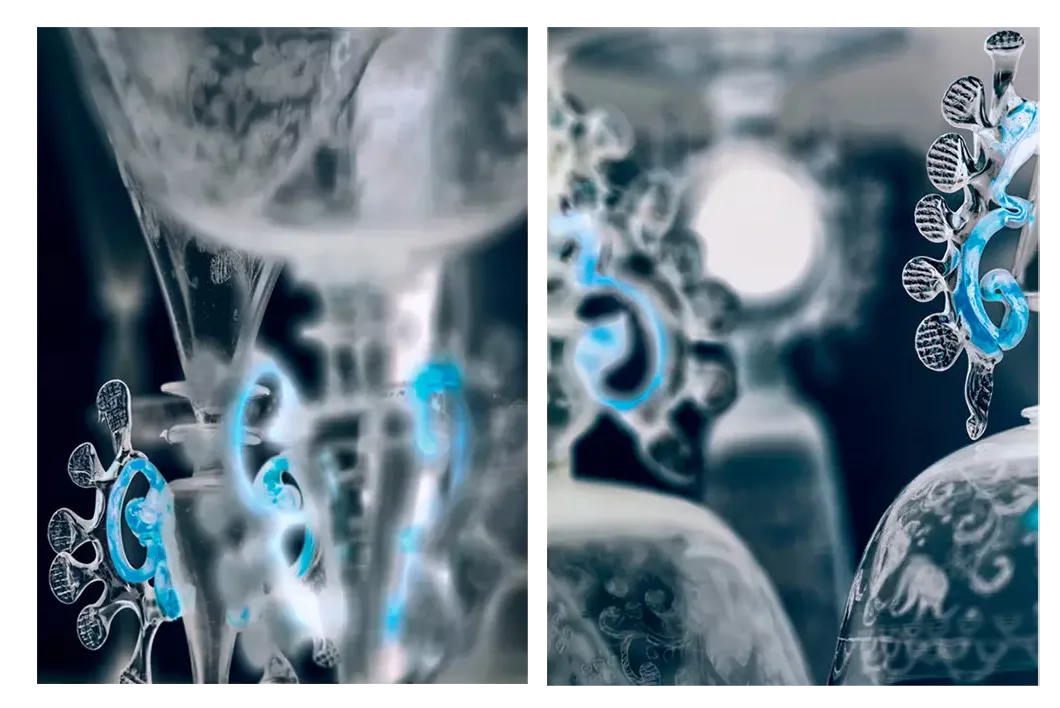
-
17/02/2025 - 27/04/2025
Luiz Braga | Fullgás – Visual Arts and the 1980s in Brazil
The exhibition Fullgás – Visual Arts and the 1980s in Brazil brings together around 300 works by more than 200 artists, highlighting the diversity of artistic production from 1978 to 1993. Curated by Raphael Fonseca, Amanda Tavares, and Tálisson Melo, the show features renowned names such as Adriana Varejão and Beatriz Milhazes, as well as artists from various regions of Brazil. Luiz Braga, known for his photographs that explore light and Amazonian culture, plays a prominent role, reinforcing the relevance of art beyond the Rio-São Paulo axis.
SCES, Trecho 2 – Brasília/DF
-
11/12/2024 - 30/06/2025
Tiago Sant’Ana | Delírio Tropical
Tiago Sant’Ana is participating in the exhibition “Delírio Tropical” at the Pinacoteca do Ceará. The show is part of the 3rd Fotofestival SOLAR and brings together 133 artists exploring the complexities of Brazil. Curated by Orlando Maneschy and Keyla Sobral, the exhibition presents a visual cartography of the country. As part of the show, Tiago Sant’Ana showcases “Refino #2 (2017)”, a work that challenges coloniality. Ultimately, the exhibition offers a multifaceted perspective on Brazil.
Rua 24 de maio, Praça da Estação s/n Centro, Fortaleza · CE
-
06/12/2024 - 08/06/2025
Felipe Rezende | 31º MAJ
Felipe Rezende is part of the 31st Youth Art Exhibition (MAJ) at Sesc Ribeirão Preto. Additionally, Camila Fontenele and Tiago Gualberto curate the event, solidifying it as a platform for artistic experimentation. In this way, the exhibition values contemporary young production and connects it to the current Brazilian context. As part of the show, Felipe Rezende presents Das tripas nuvens (2024), a work that blends memory and fiction, inspired by a fishing trip in Bahia. Finally, the artist incorporates the red boat, a recurring metaphor in his work, to reflect on social inequalities and the right to rest and dream.
R. Tibiriçá, 50 - Centro, Ribeirão Preto - SP,
-
02/12/2024 - 15/02/2025
Tiago Sant’Ana | Invisible Luggage
The exhibition “Invisible Luggage” highlights Tiago Sant’Ana . Additionally, it takes place during Art Week under the curatorship of Beth Rudin DeWoody, Laura Dvorkin, Maynard Monrow, Zoe Lukov, and Auttrianna Ward, ensuring a broad and multifaceted approach. In this context, more than 50 artists present works that explore memory and displacement. The Historic Hampton House, recognized as a landmark of the Civil Rights Movement, strengthens the connection between art and social resistance. Moreover, the space inspires reflections on identity and freedom. In this way, the exhibition emphasizes the importance of art in preserving collective memory.
4200 NW 27th Ave. Miami, FL 33142 - Historic Hampton House, Miami, FL, EUA [USA]