VIEWING ROOM
SP-Arte 2026 |
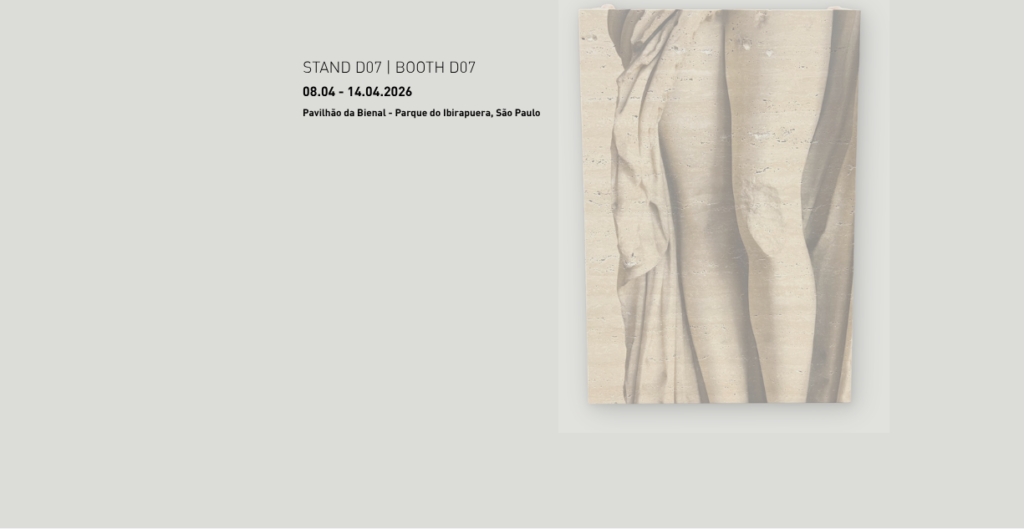
For SP-Arte 2026, Galeria Leme presents a booth with an exhibition design conceived by the architecture firm Pascali Semerdjian Arquitetos. The architectural environment proposes subtle divisions that organize different relationships between the works and guide the visitor’s journey. The selection brings together mostly new works, articulated around the axes of belonging, identity, and memory, which run through the presented practices and suggest different ways of thinking about the construction of images and narratives in contemporary art.
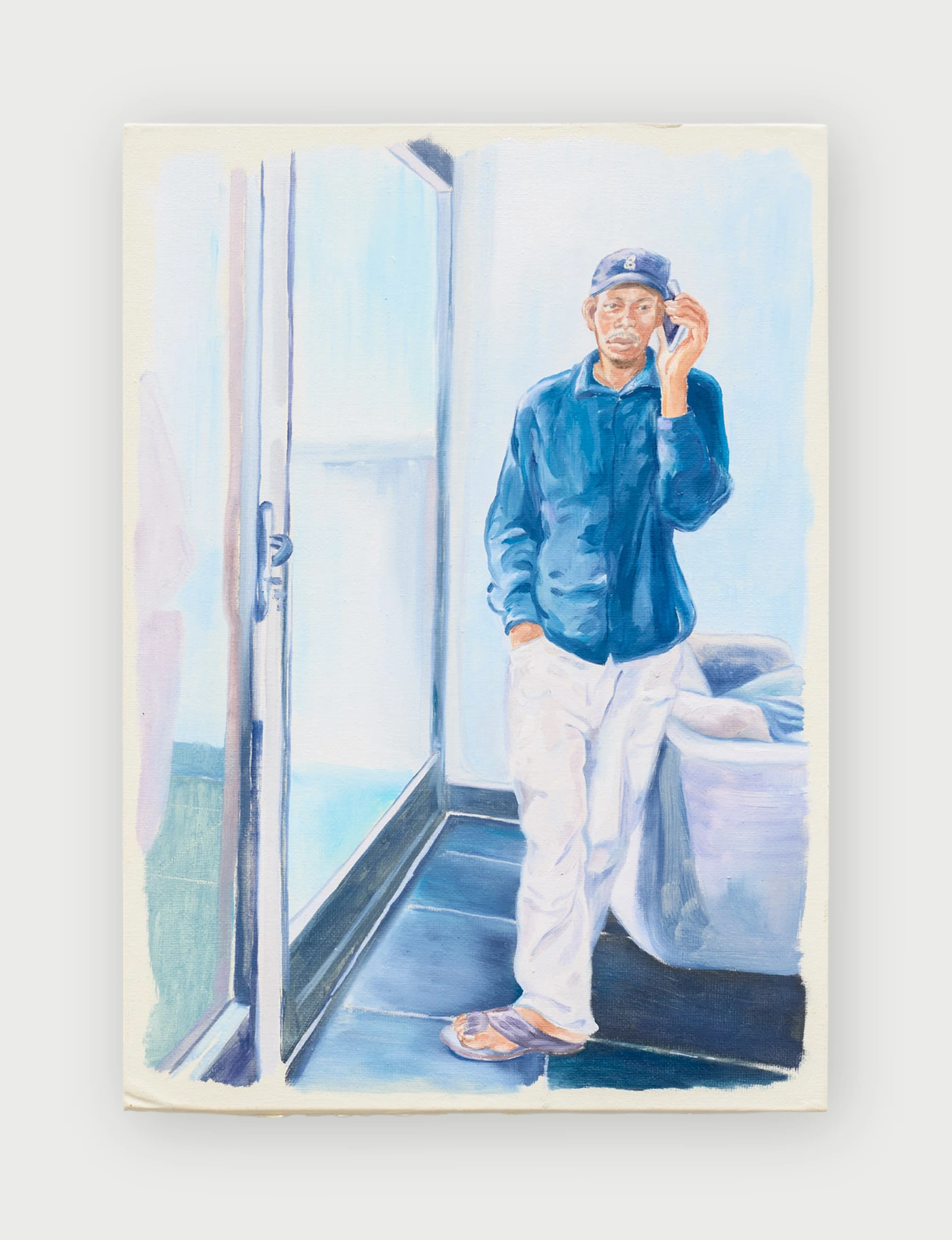
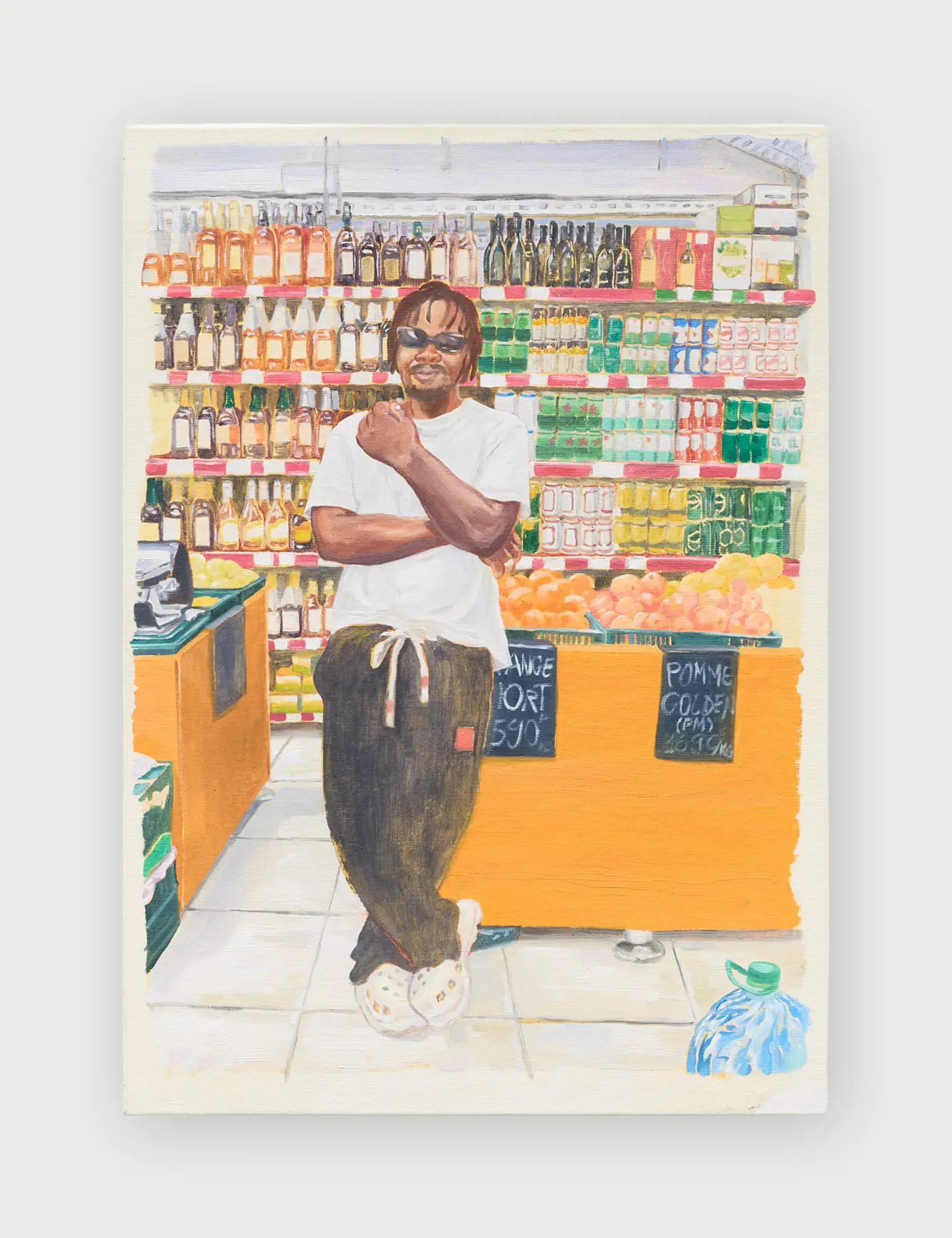
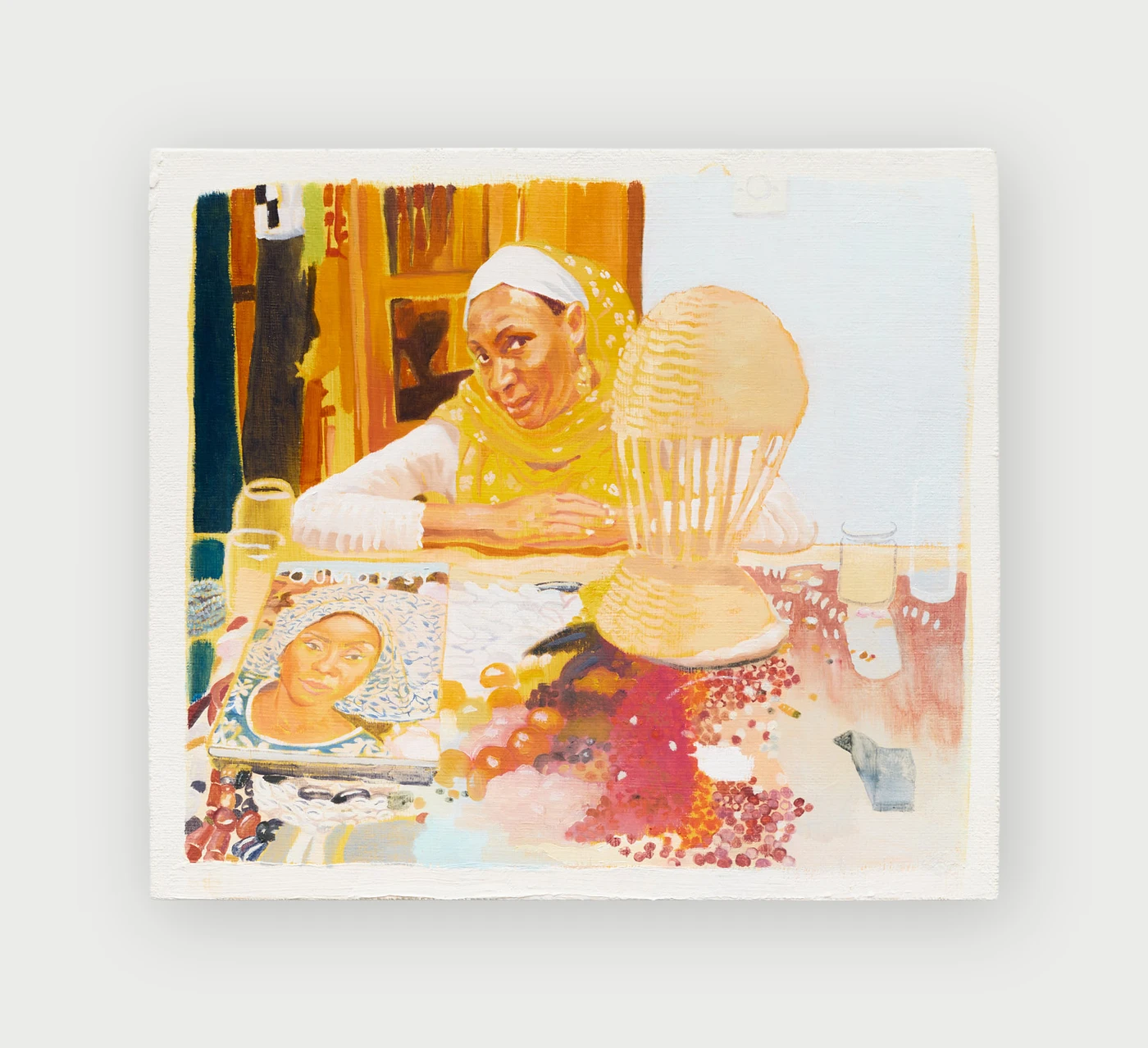
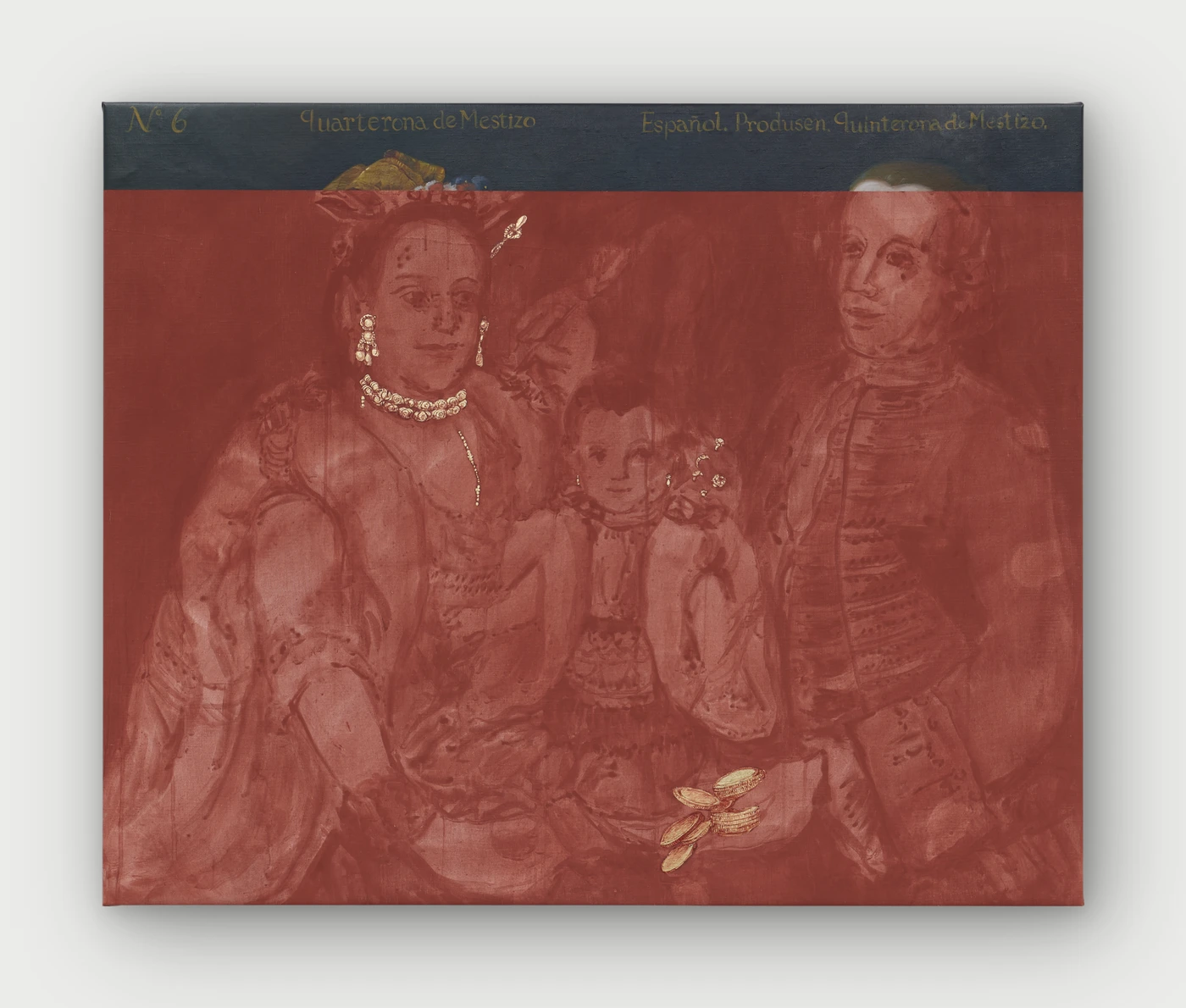
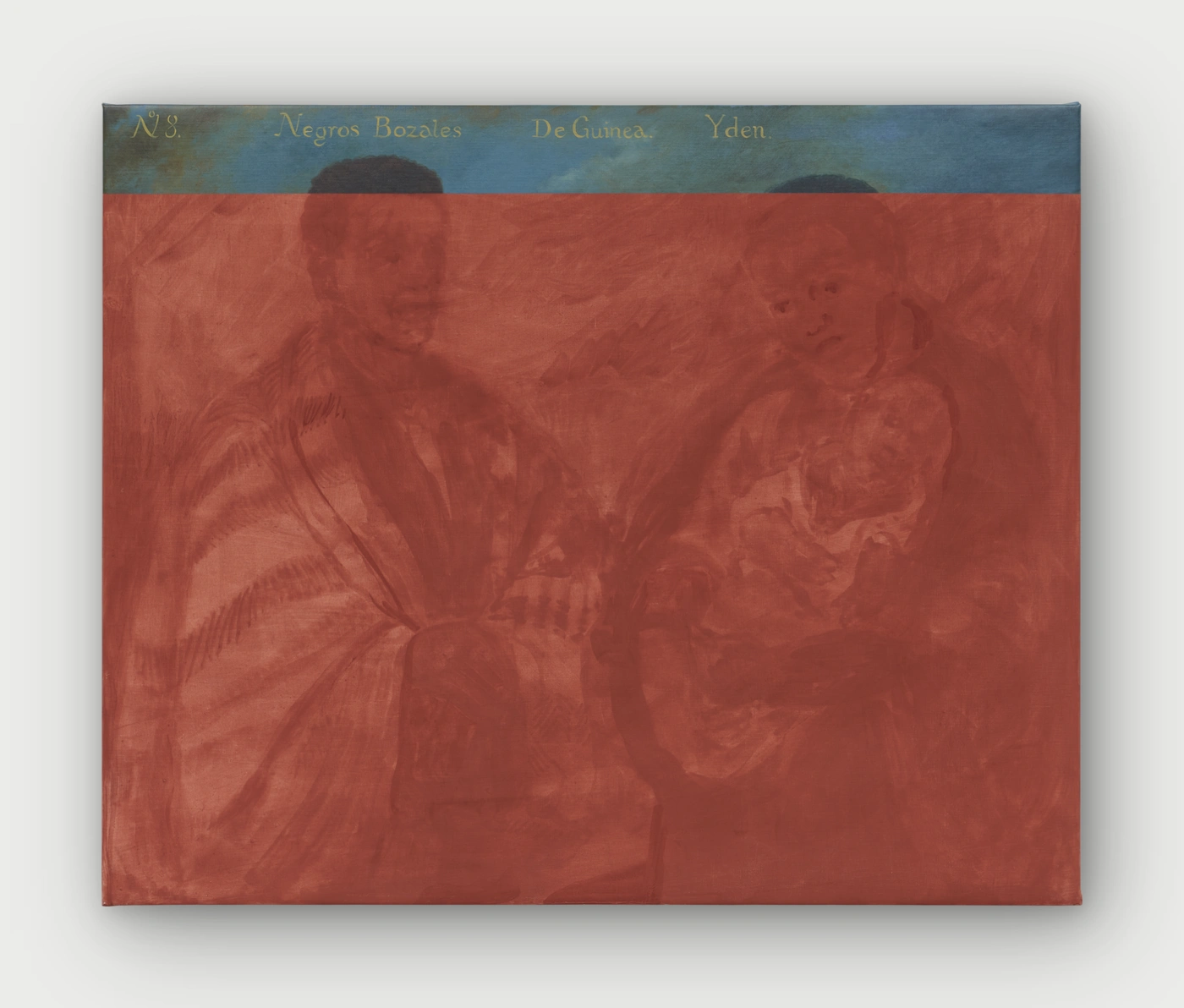
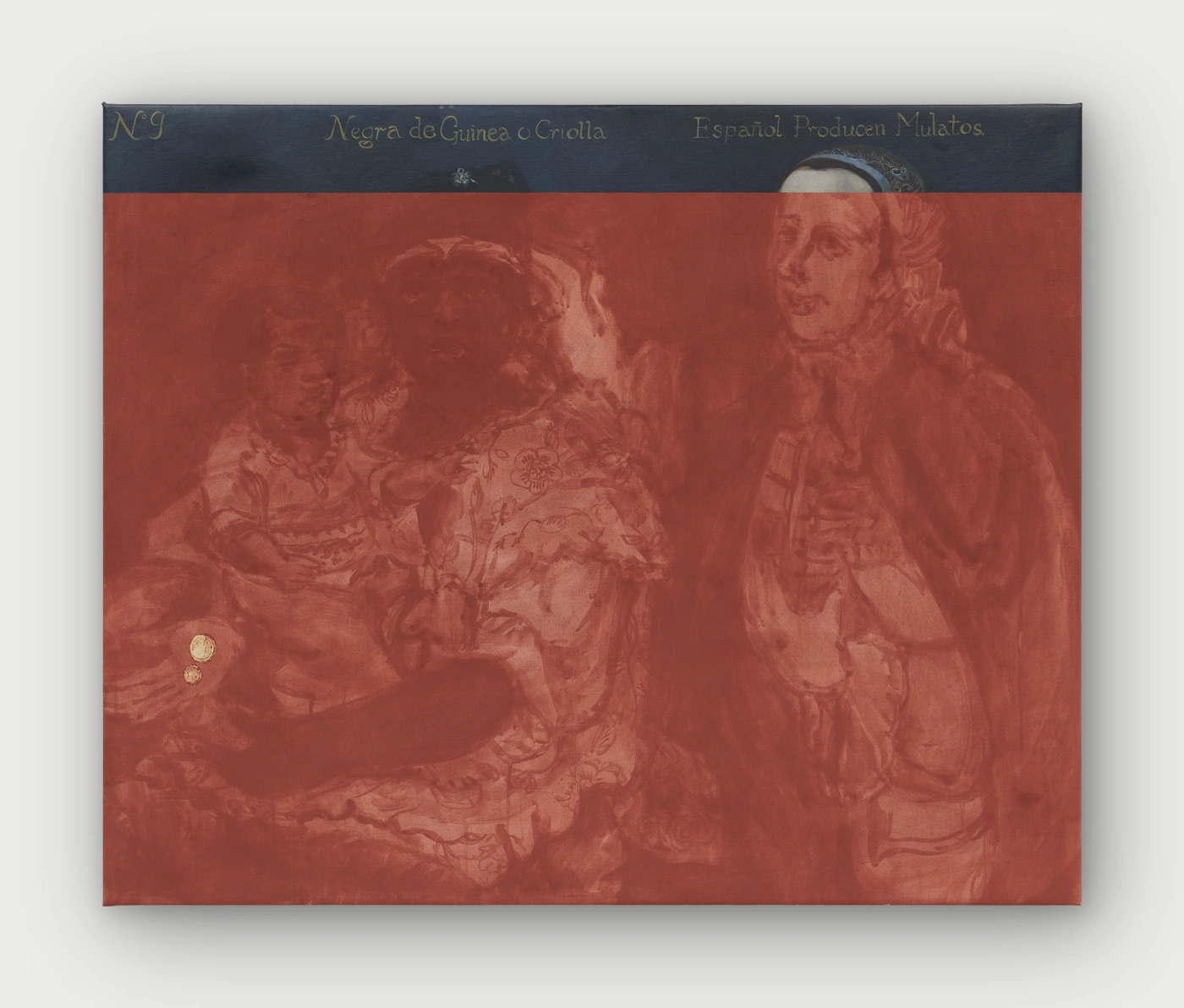
Questions of belonging emerge in the works of Sandra Gamarra Heshiki, Tiago Sant’Ana, and Felipe Rezende, artists who investigate the historical and social structures responsible for regulating who can, or cannot, occupy certain places in the world. In the series Porcentaje, Gamarra revisits the tradition of casta paintings to examine how racial and linguistic classifications continue to sustain social hierarchies — an investigation that also runs through her retrospective exhibition inaugurated at MASP in March 2026. Sant’Ana uses sugar as both material and symbol in his series Refino, revisiting images from the colonial period to reflect on the marks of slavery and the African diaspora in the formation of Brazil. In dialogue with these investigations, Rezende presents paintings produced during his residency at Black Rock Senegal, in which he addresses displacement, cultural encounter, and identity construction in transnational contexts.
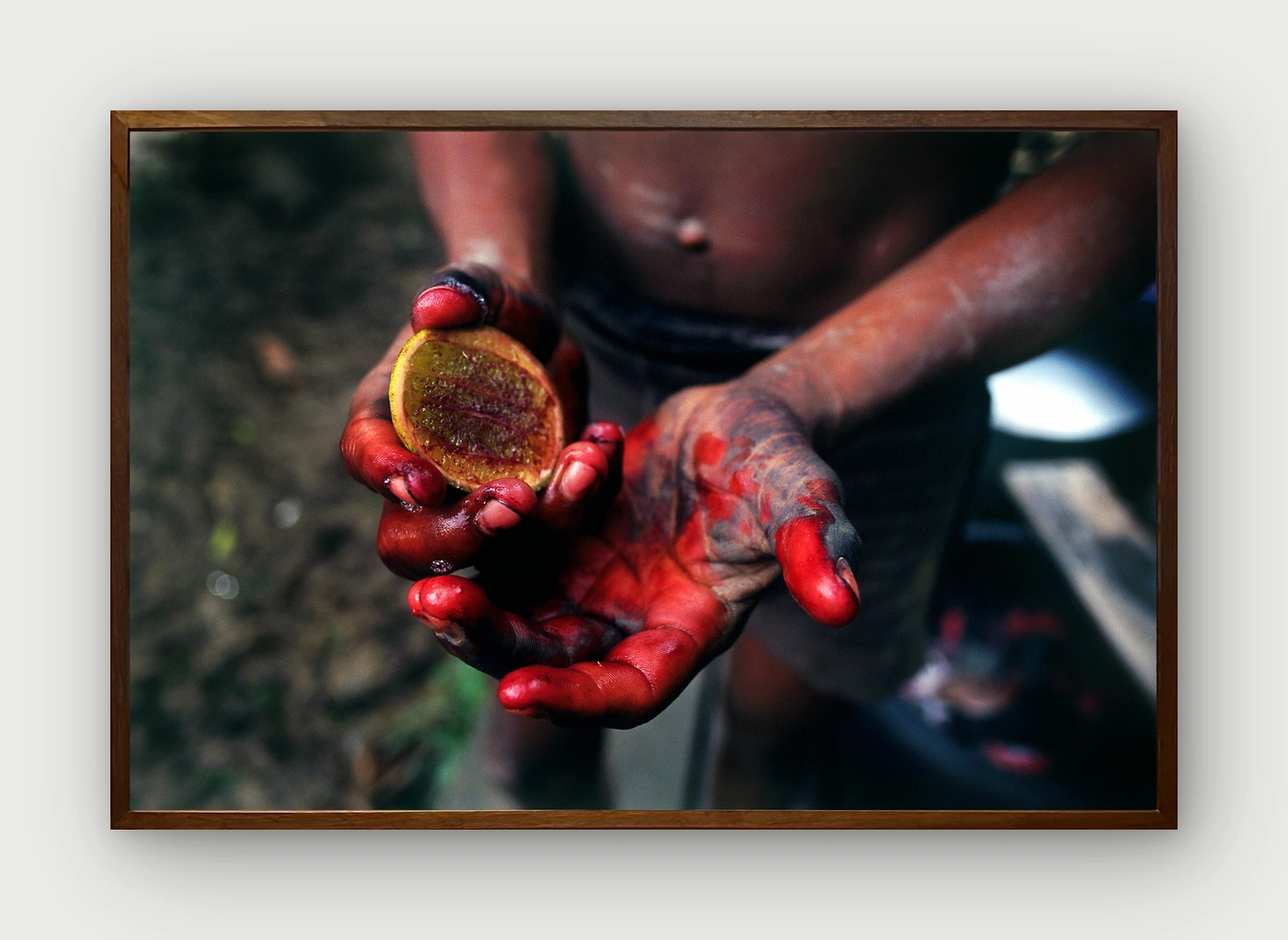
The relationships between body, territory, and image bring together the investigations of Jorge Enciso, Luiz Braga, Elisa Sighicelli, and Jaume Plensa. Enciso draws on references to Guarani architecture and cosmology to reflect on cultural legacies. Braga’s photographs reaffirm his chromatic mastery of the region by capturing the singular incidence of light and colors that traverse the landscapes of Marajó Island, building a visual vocabulary deeply linked to Amazonian identity. Sighicelli prints images of classical Venus sculptures onto travertine marble, tensioning the ideal of feminine beauty inherited from the Western tradition by revealing fractures and absences in the idealized body. In counterpoint, Plensa presents in Blue Hermit a male figure withdrawn upon a rock, whose introspective posture suspends the outside noise and suggests a moment of interiority.
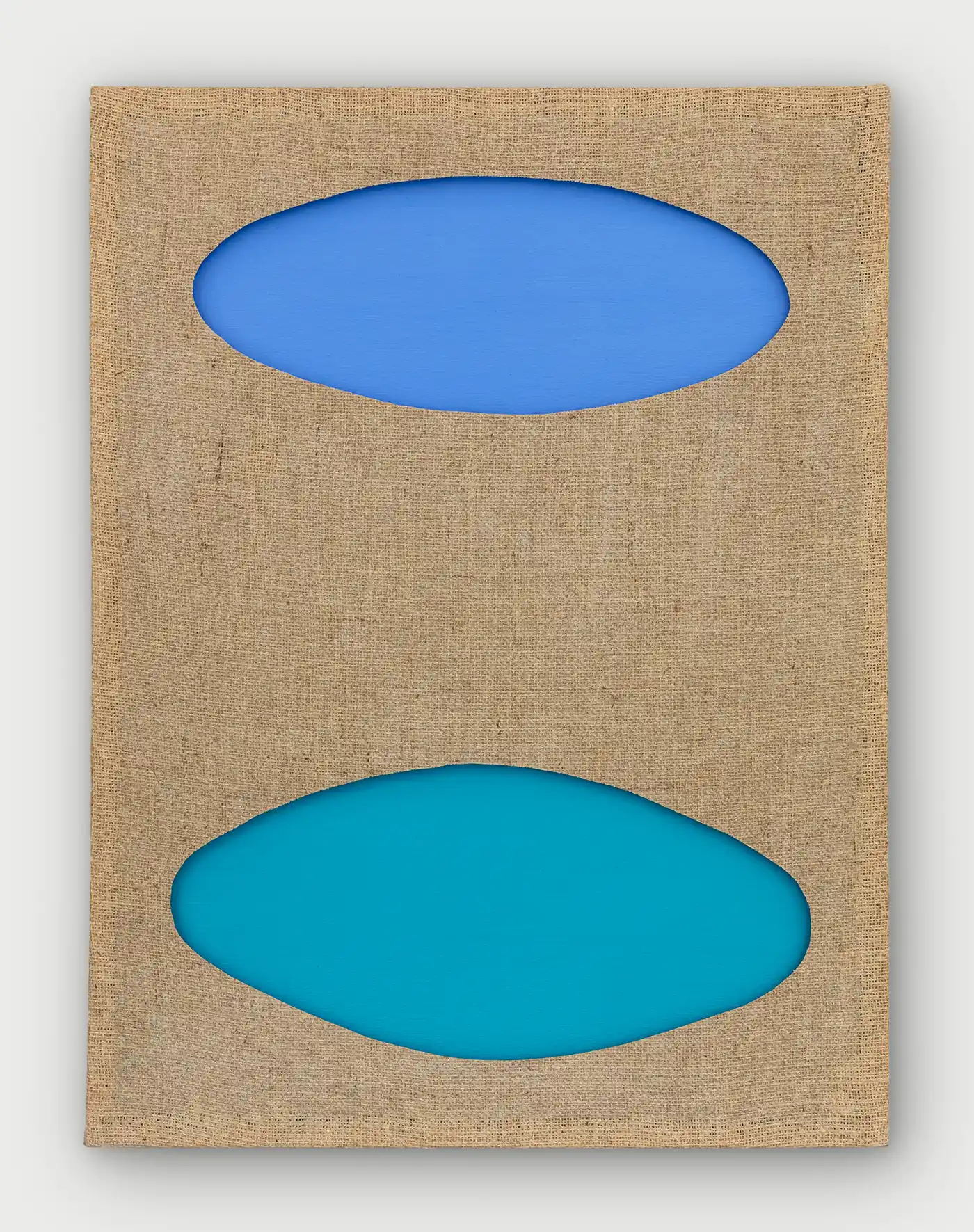
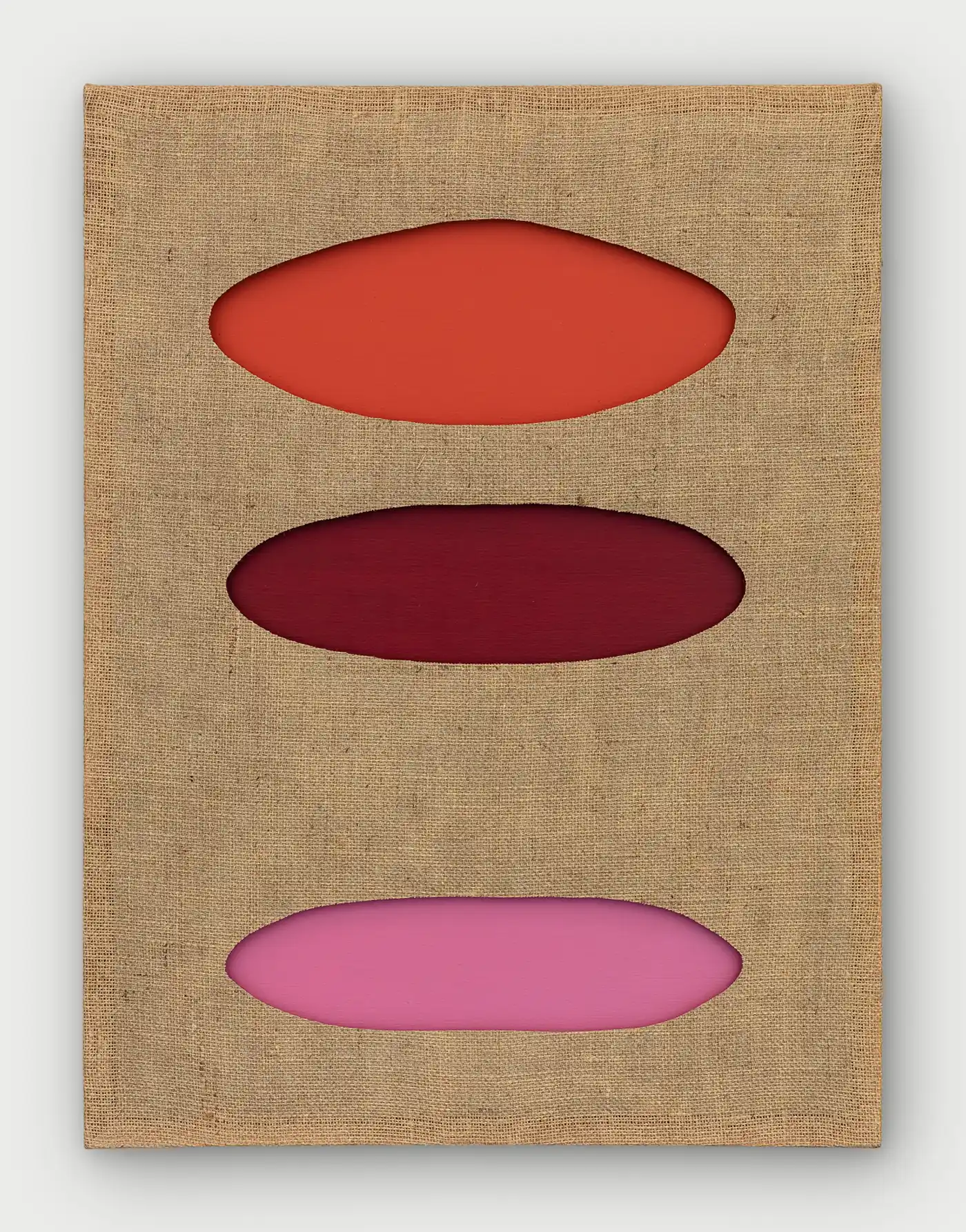
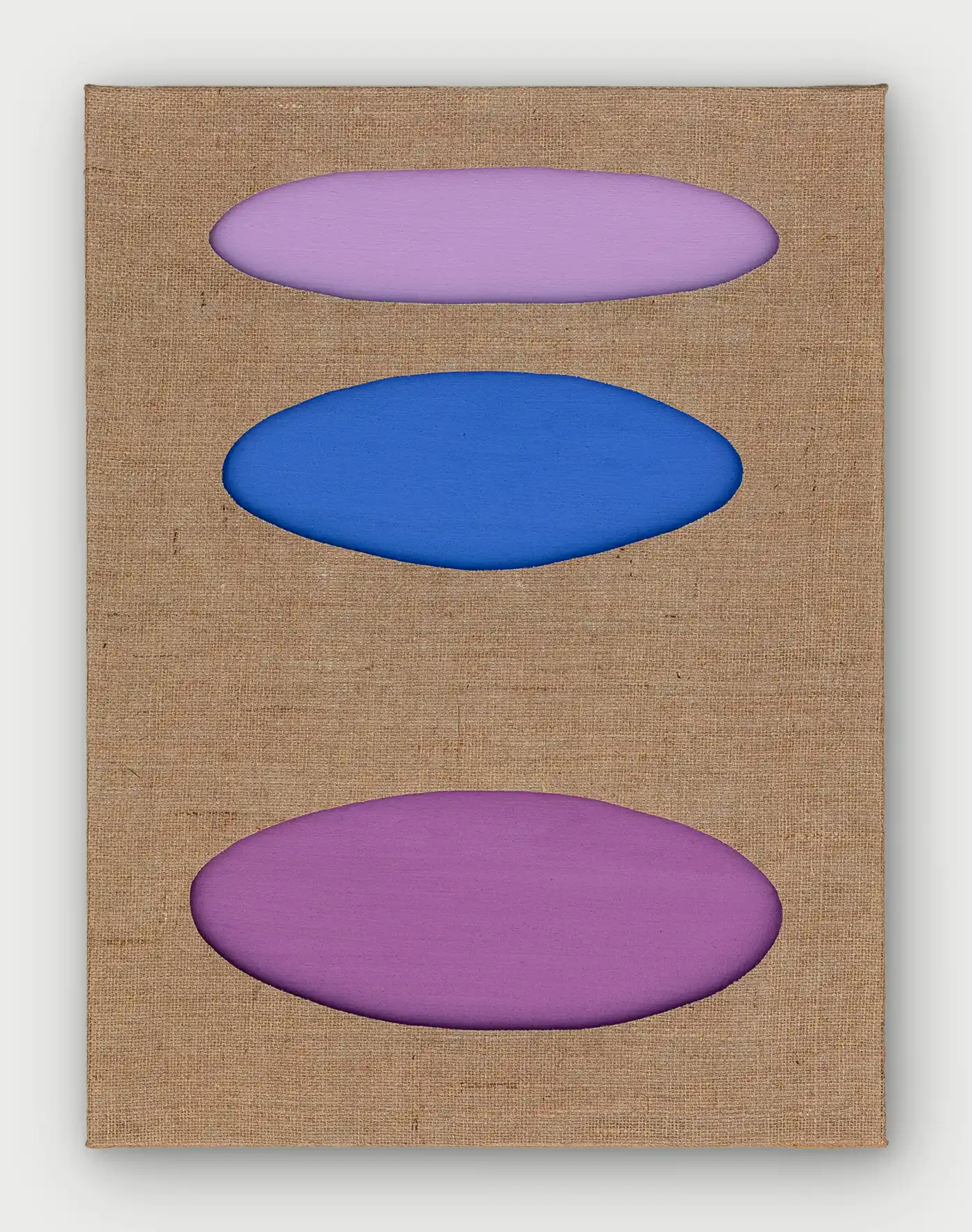
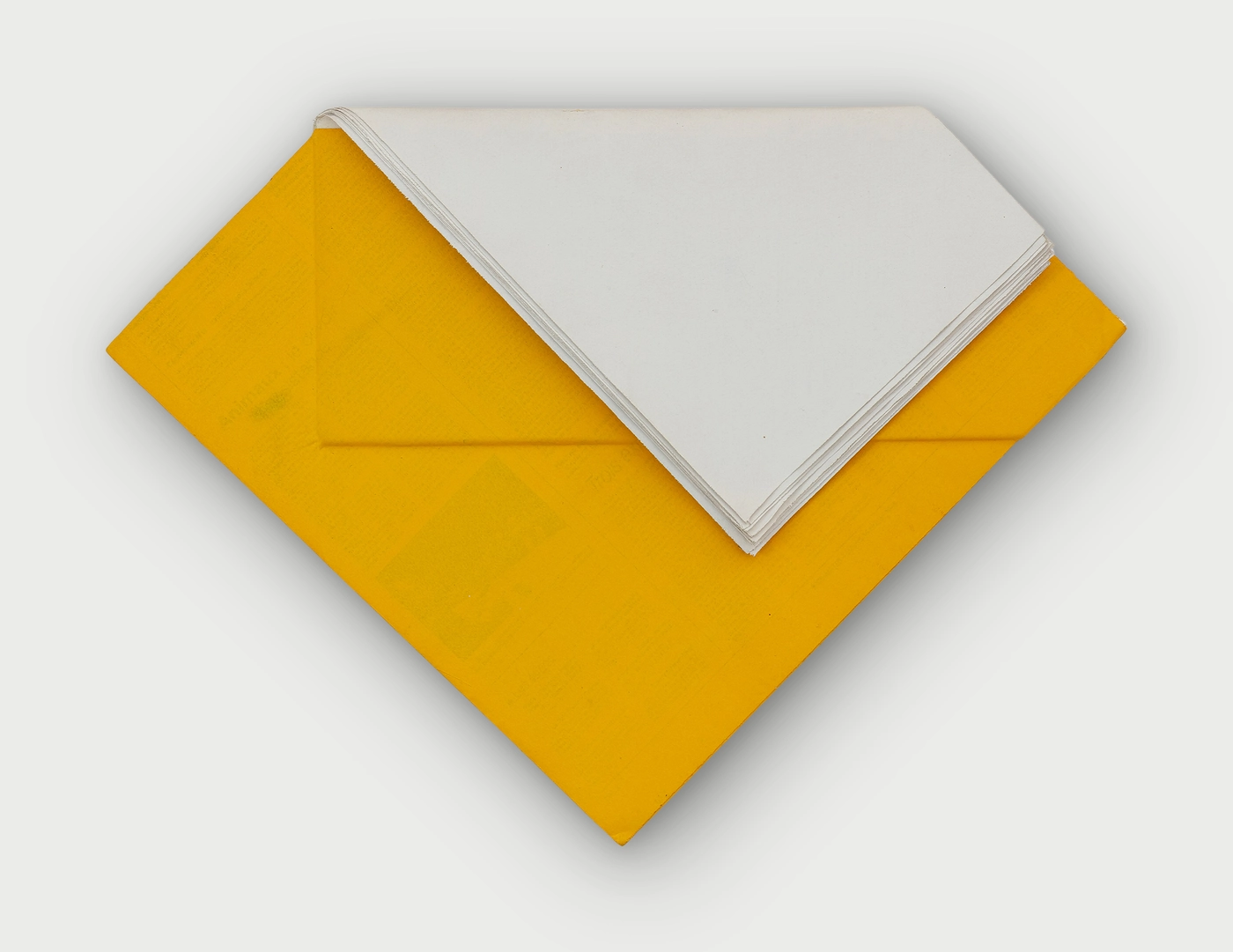
Memory, in turn, runs through practices that articulate gesture, image, and matter. The paintings of Gabriela Giroletti evoke landscapes and organic forms that cyclically return as energy and movement on the surface of the canvas. Gabriel Giucci presents a new series dedicated to Brazilian fruits, continuing his research into the reconstruction of Brazil’s historical iconography. Heloisa Hariadne works with painting as a field for evoking personal experiences and memories, while Germana Monte-Mór develops an abstract body of work that investigates rhythm, structure, and pictorial expansion.
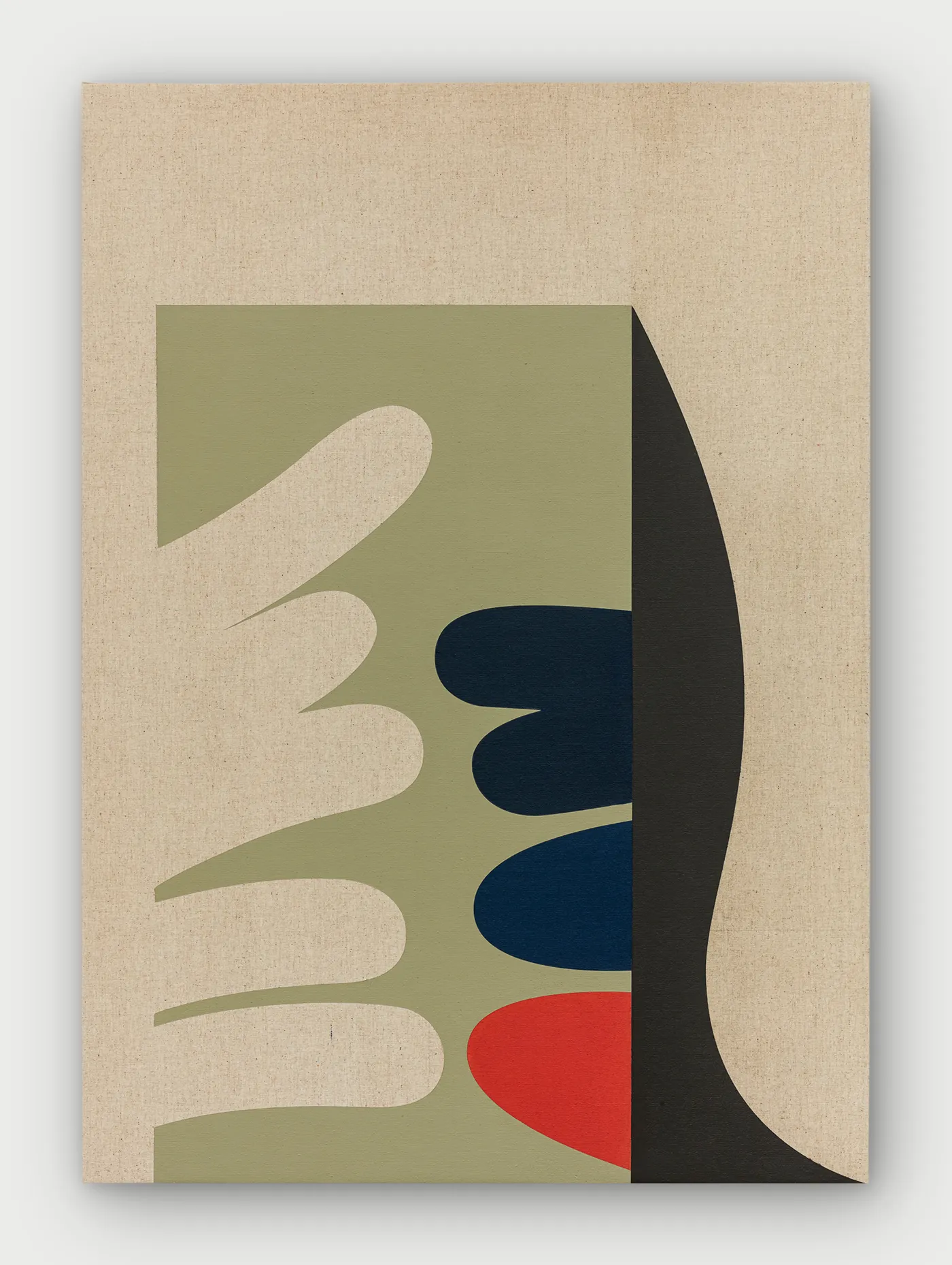
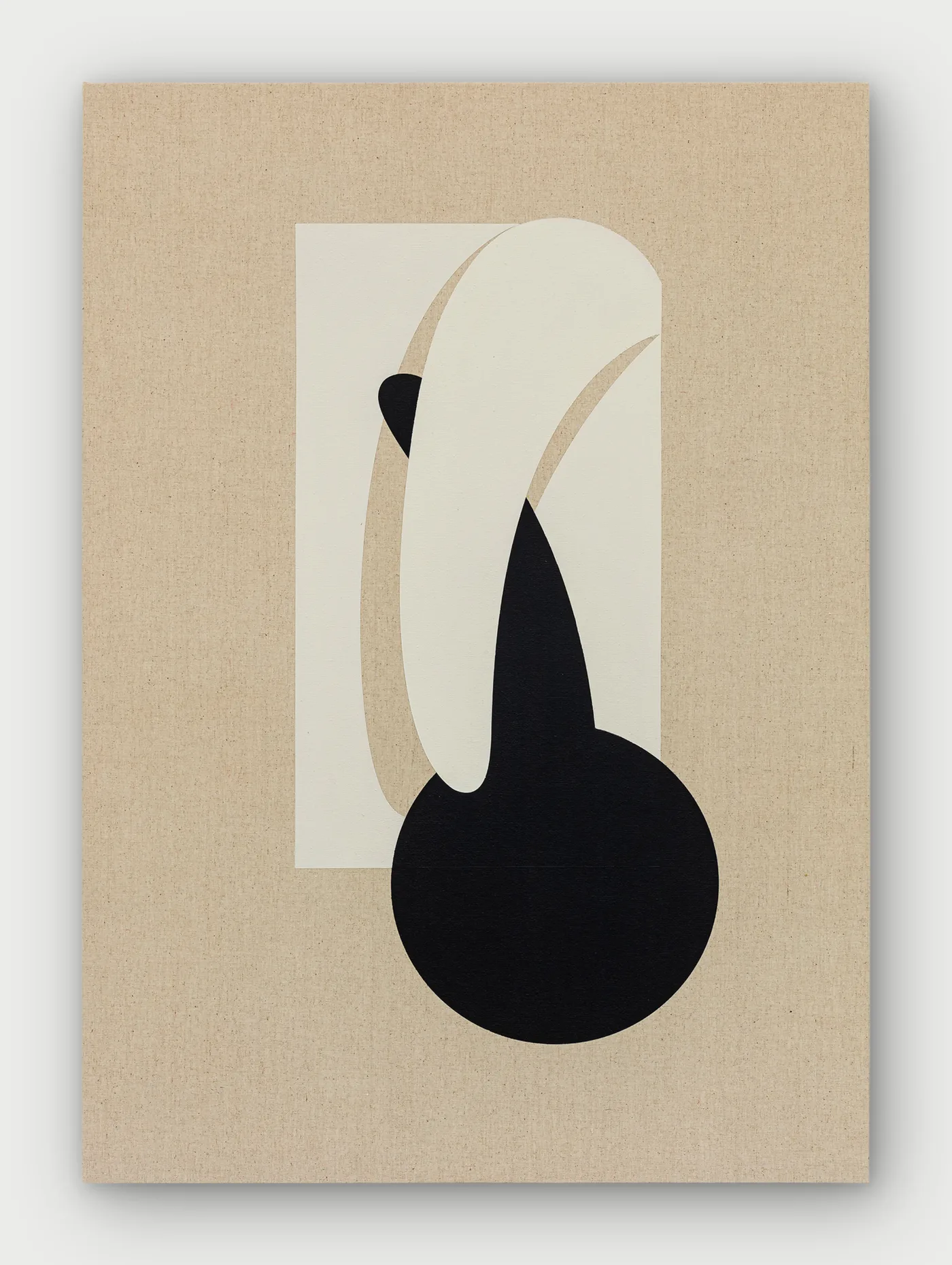
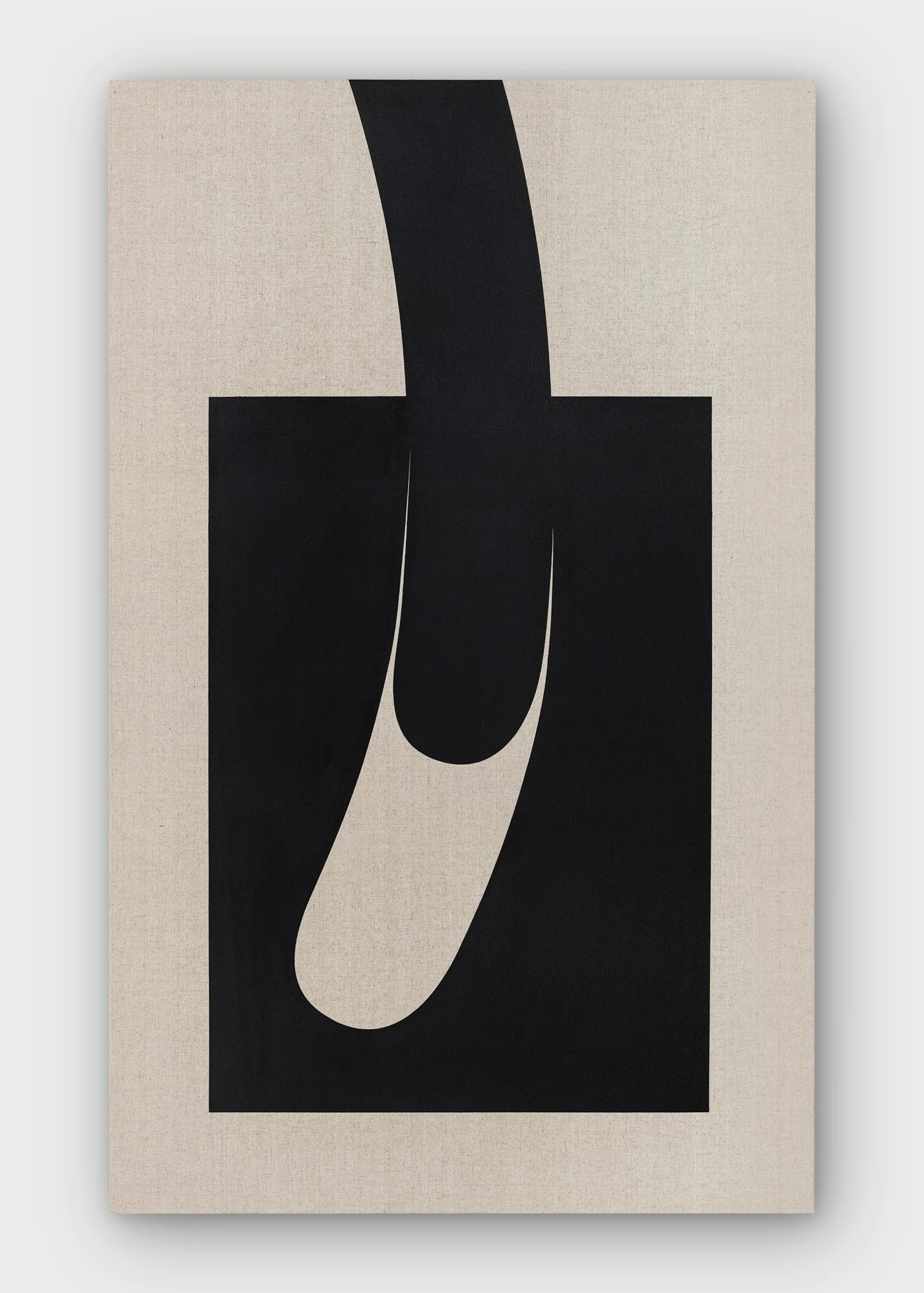
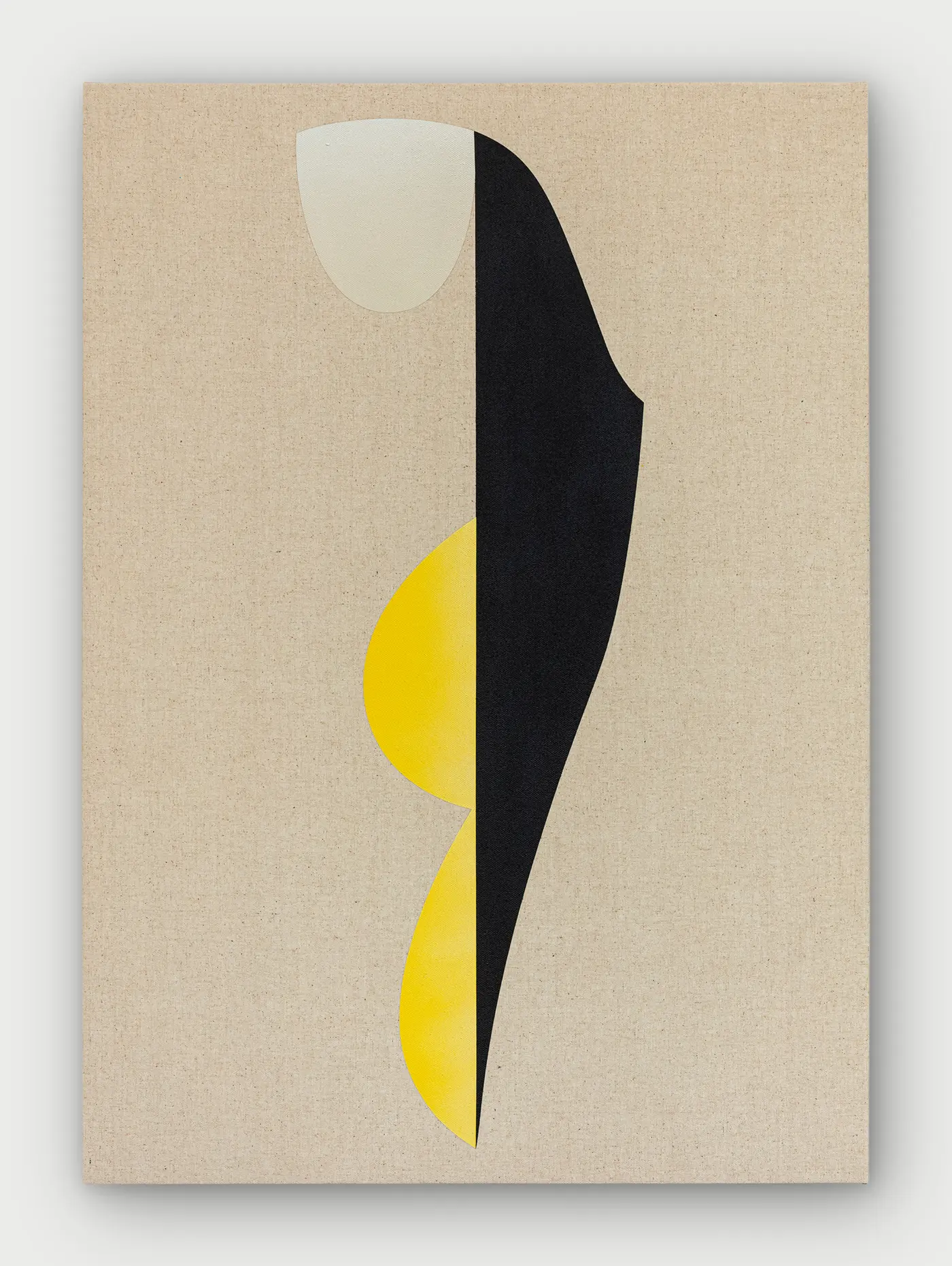
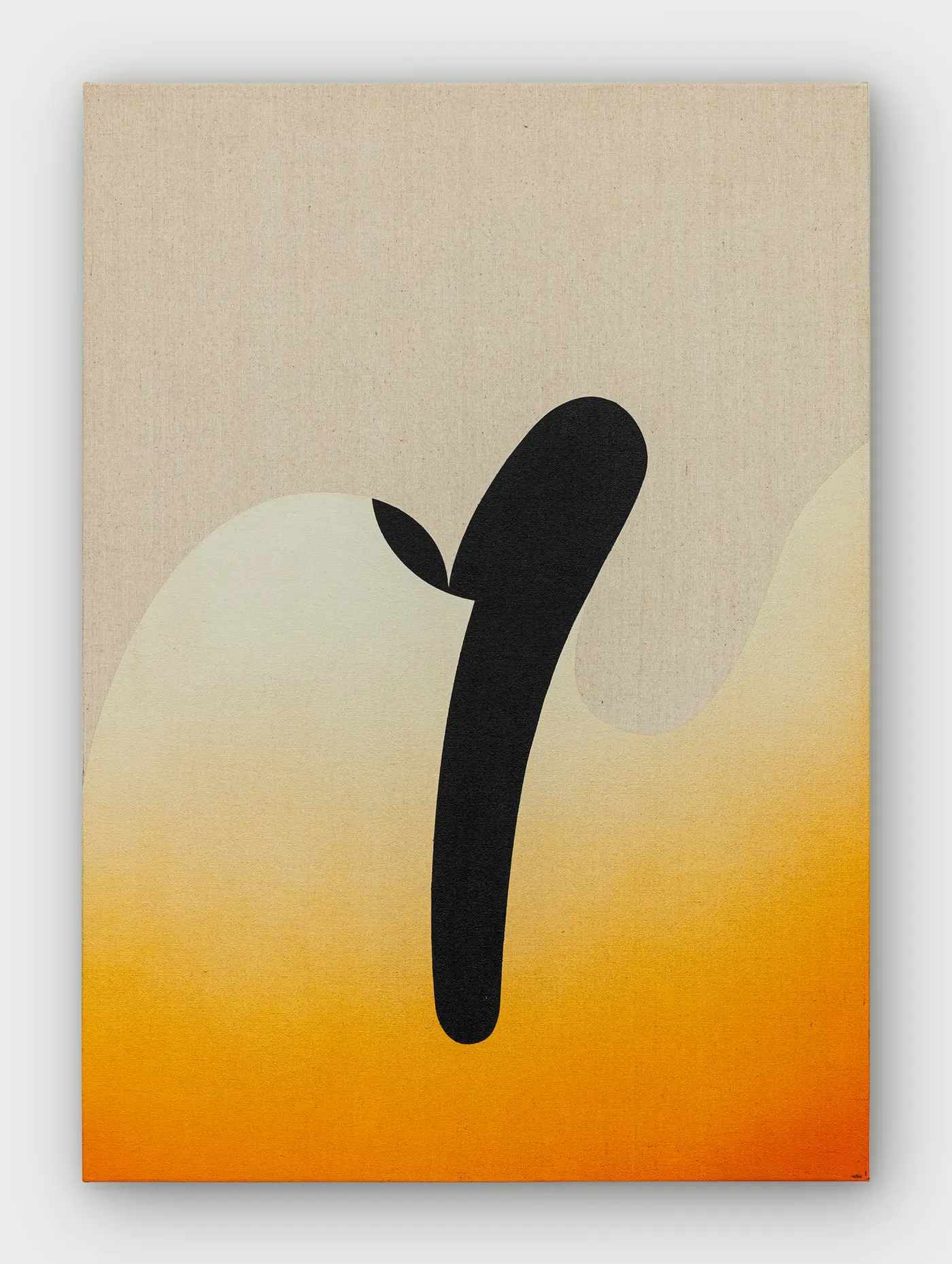
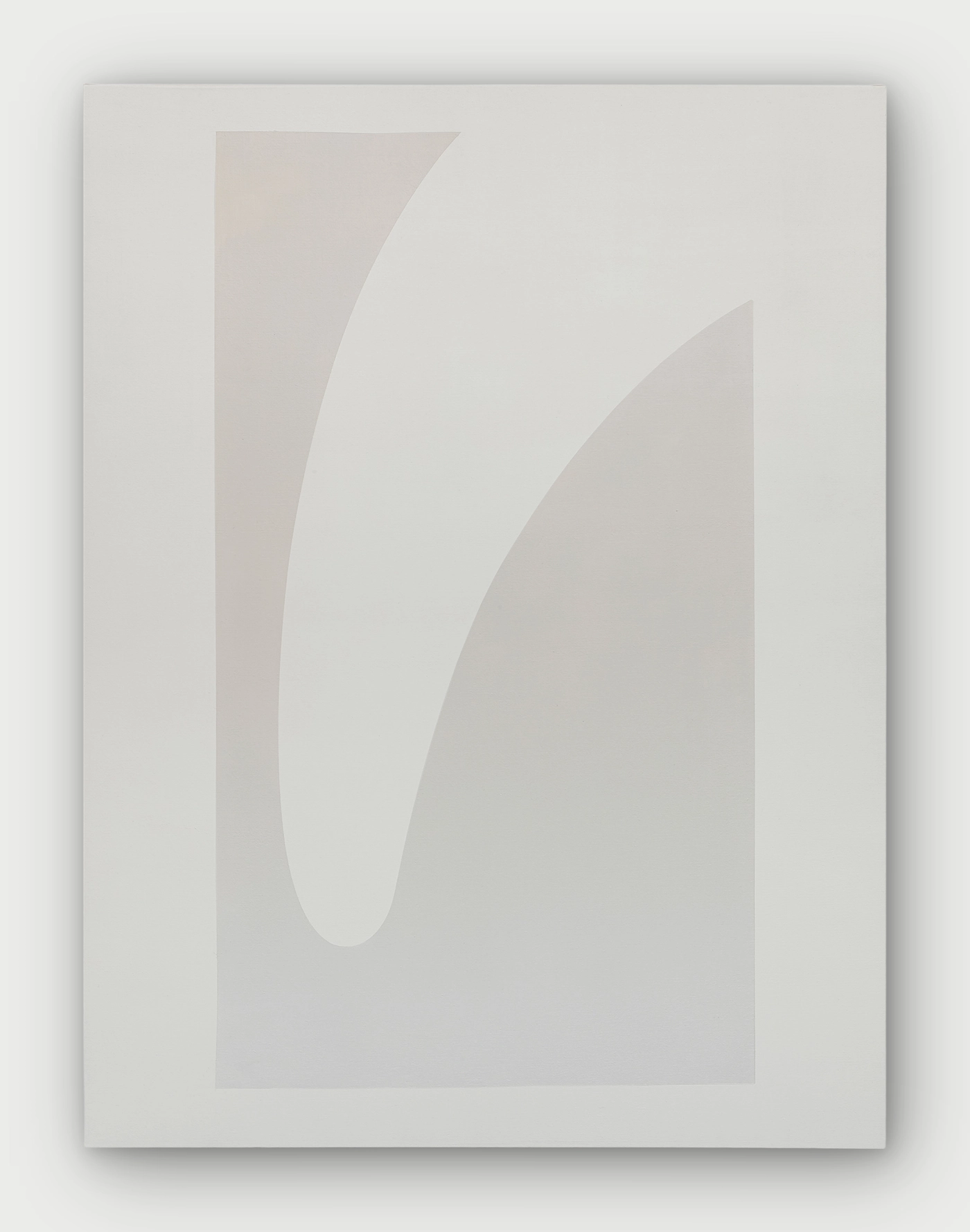
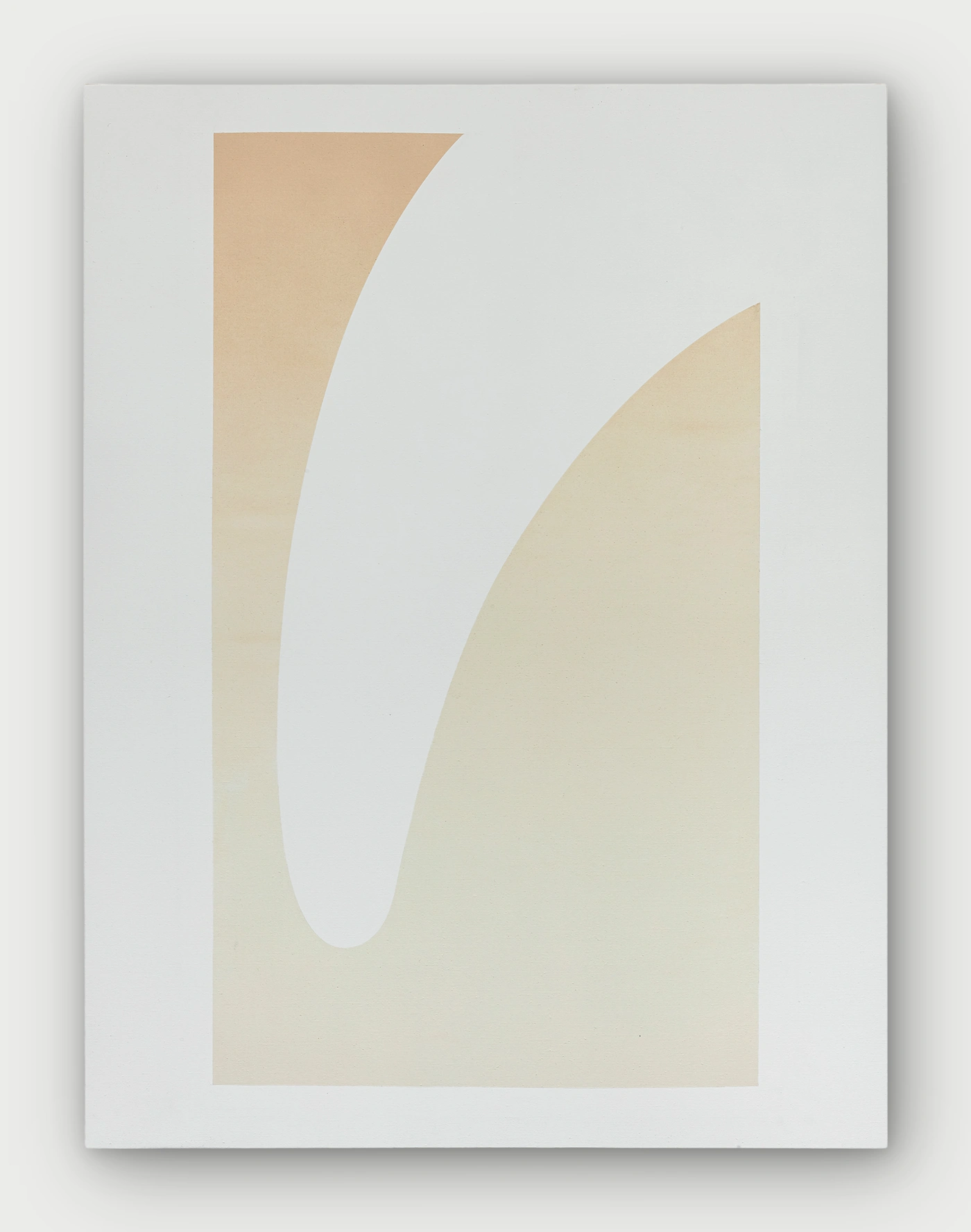
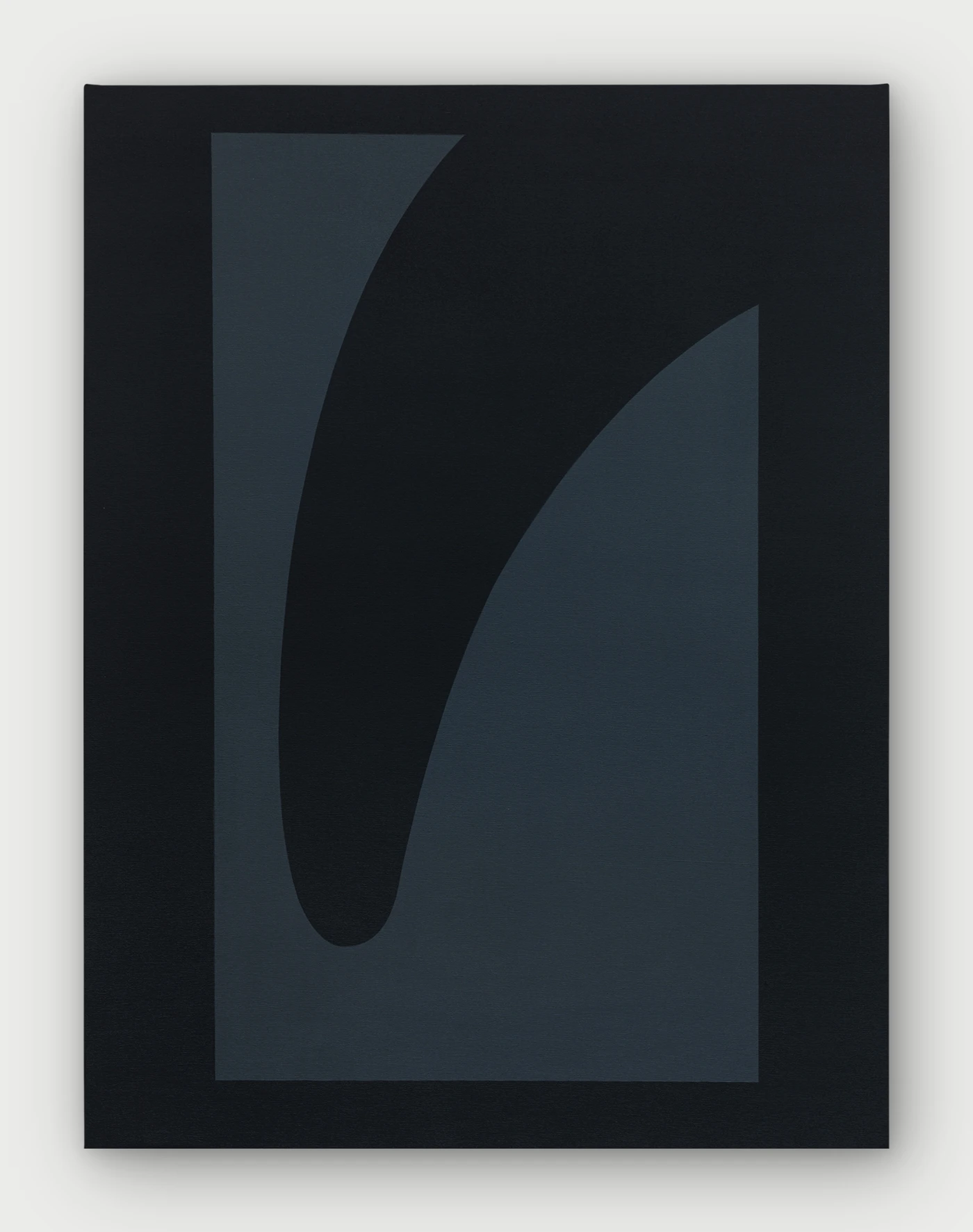
Agustina Nuñez
Ver todas as obras do artista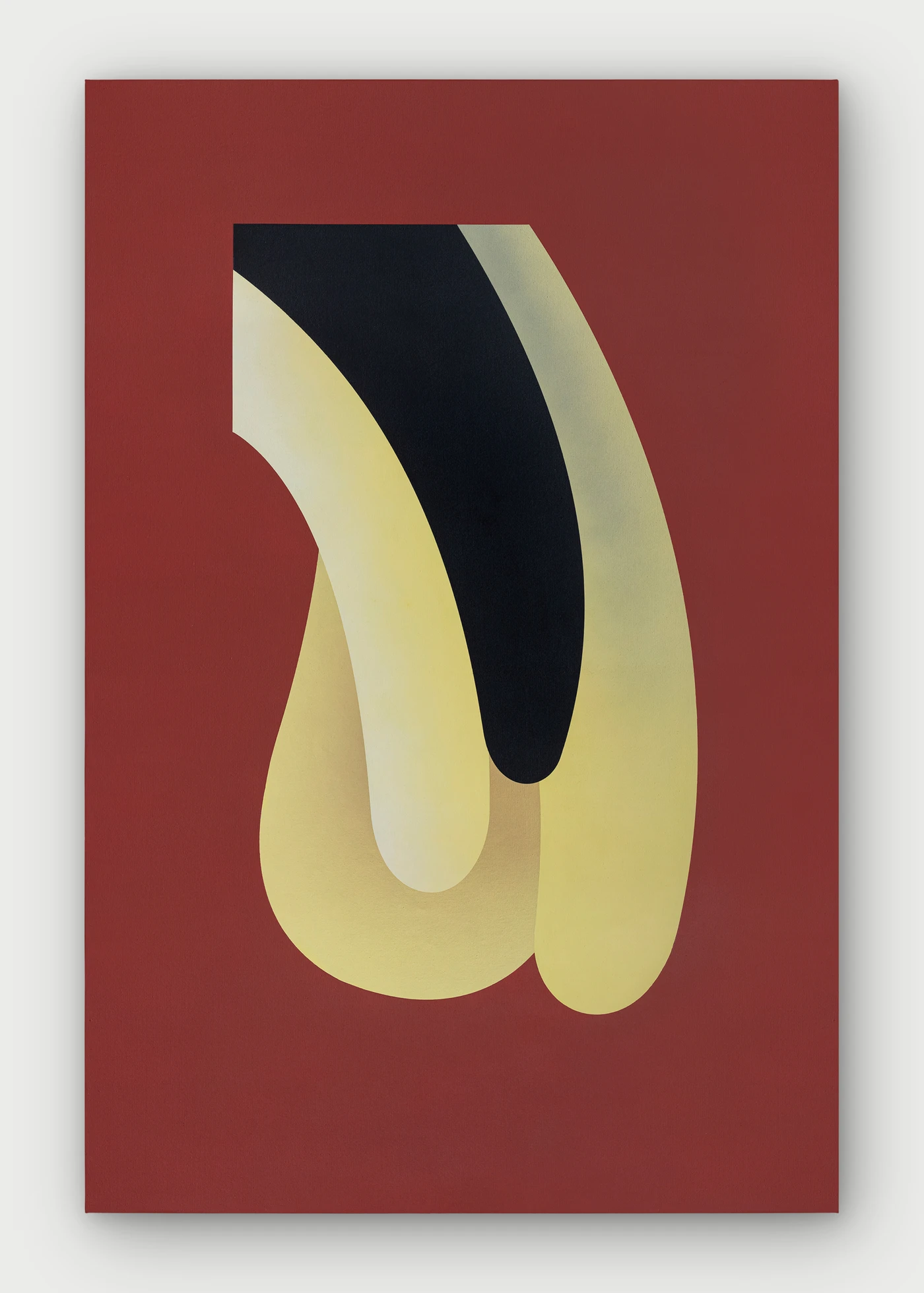
Elisa Sighicelli
Ver todas as obras do artista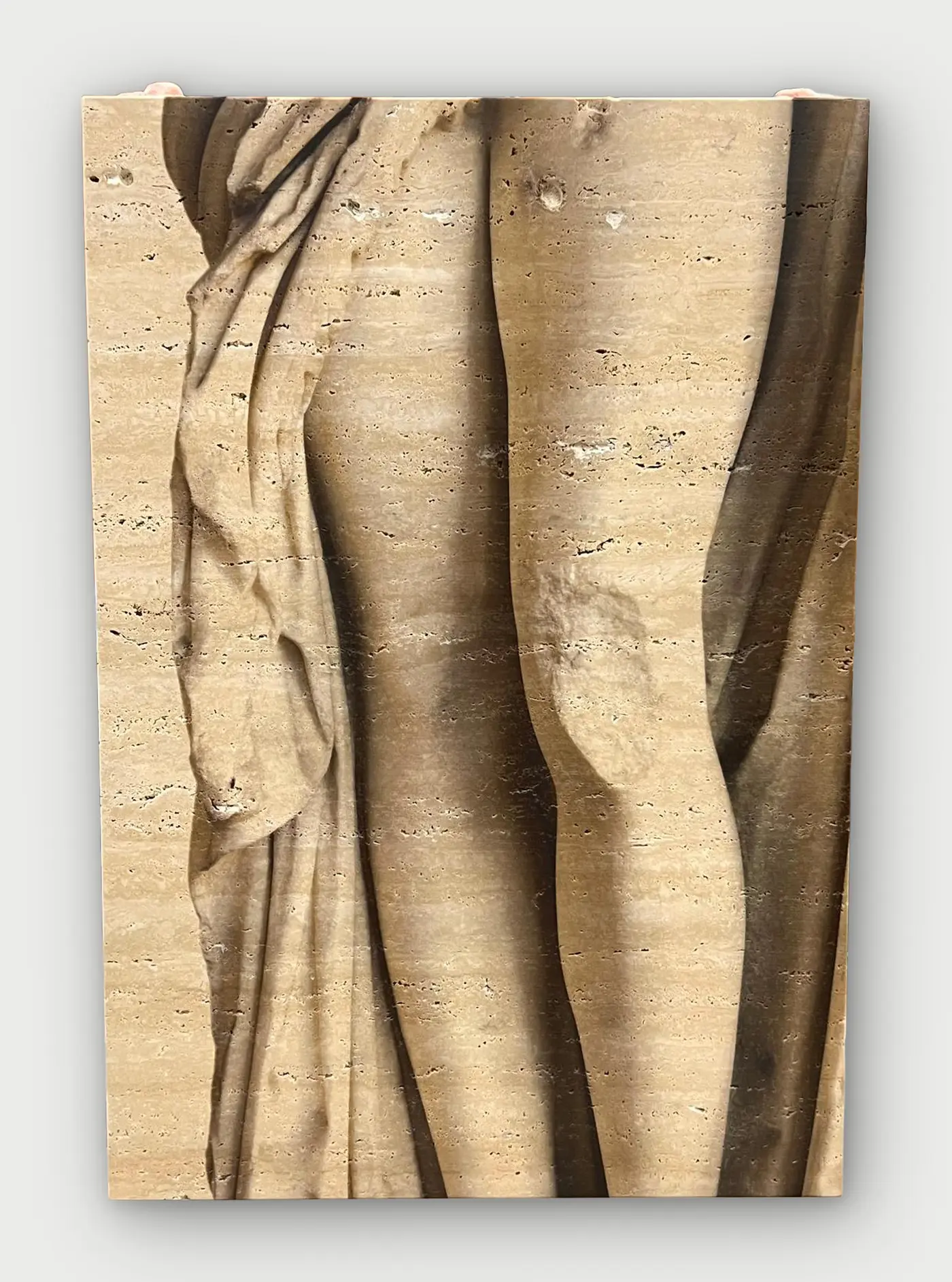
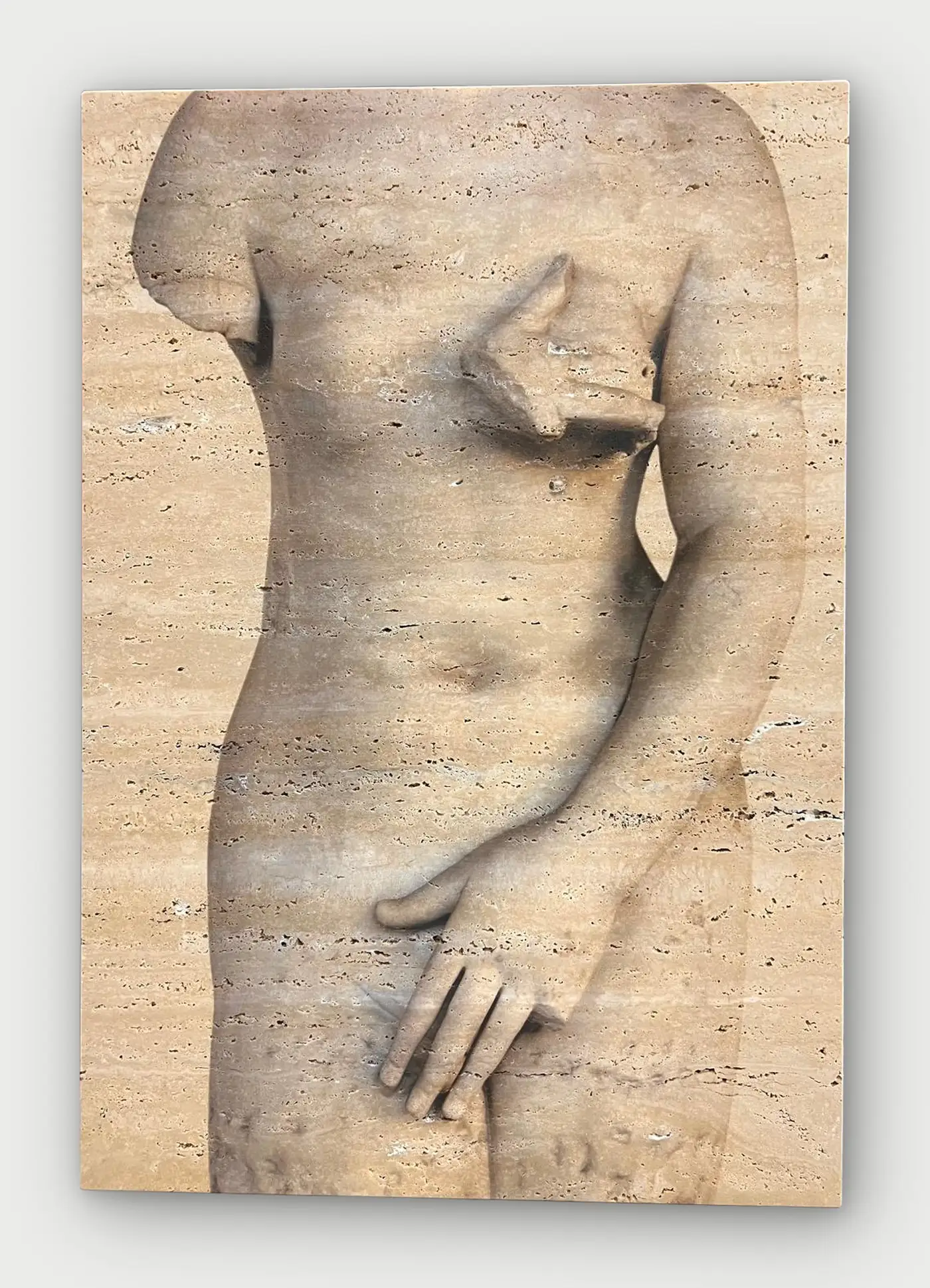
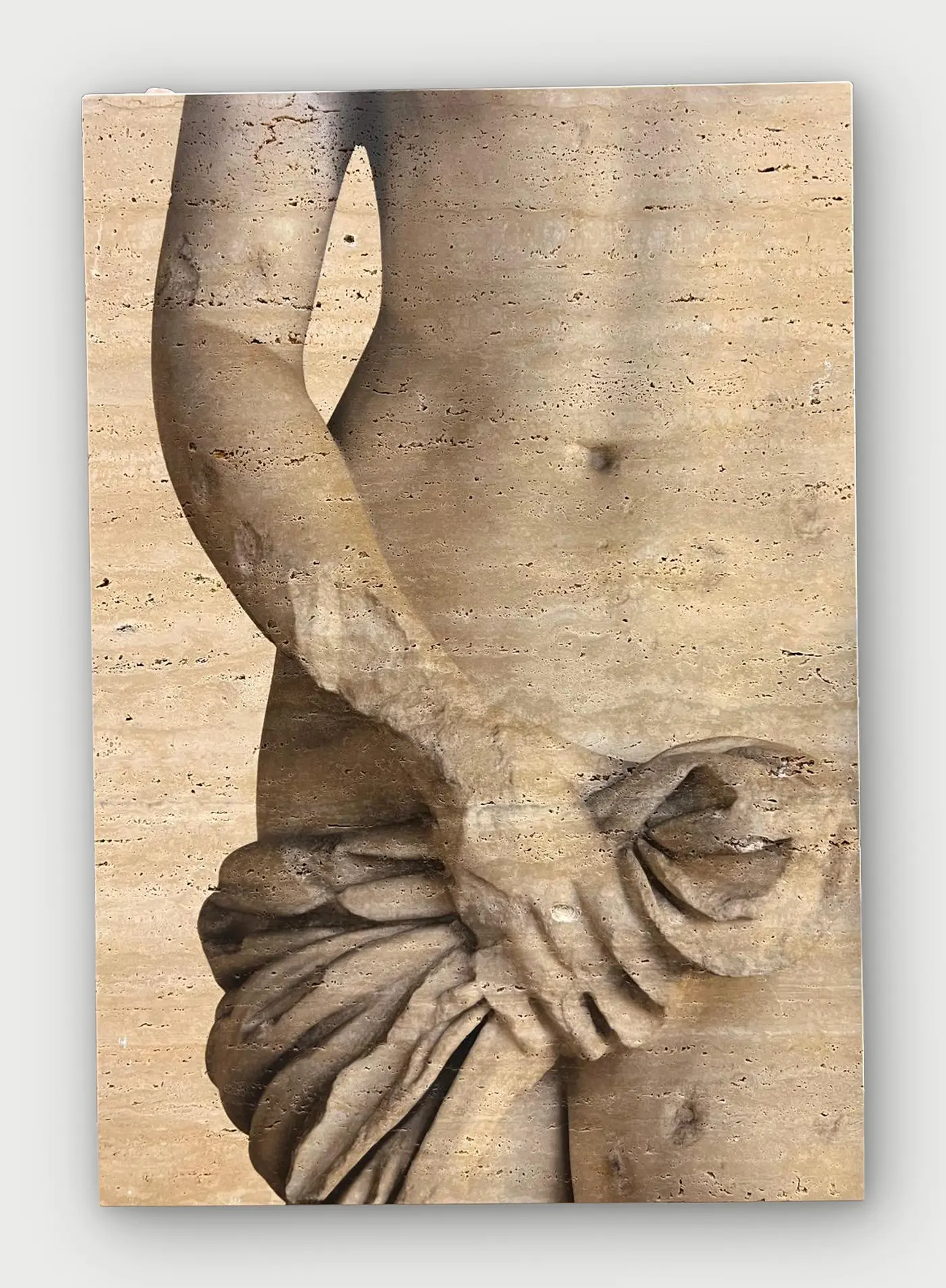
Genu amissus, 2026
Direct UV print on travertine stone
34,3 x 23,6 x 1,6 in
Edition: Única + 1 P.A
Manu sola, 2026
Direct UV print on travertine stone
34,3 x 23,6 x 1,6 in
Edition: Única + 1 P.A
Carpus fractus, 2026
Direct UV print on travertine stone
34,3 x 23,6 x 1,6 in
Edition: Única + 1 P.A
Felipe Rezende
Ver todas as obras do artista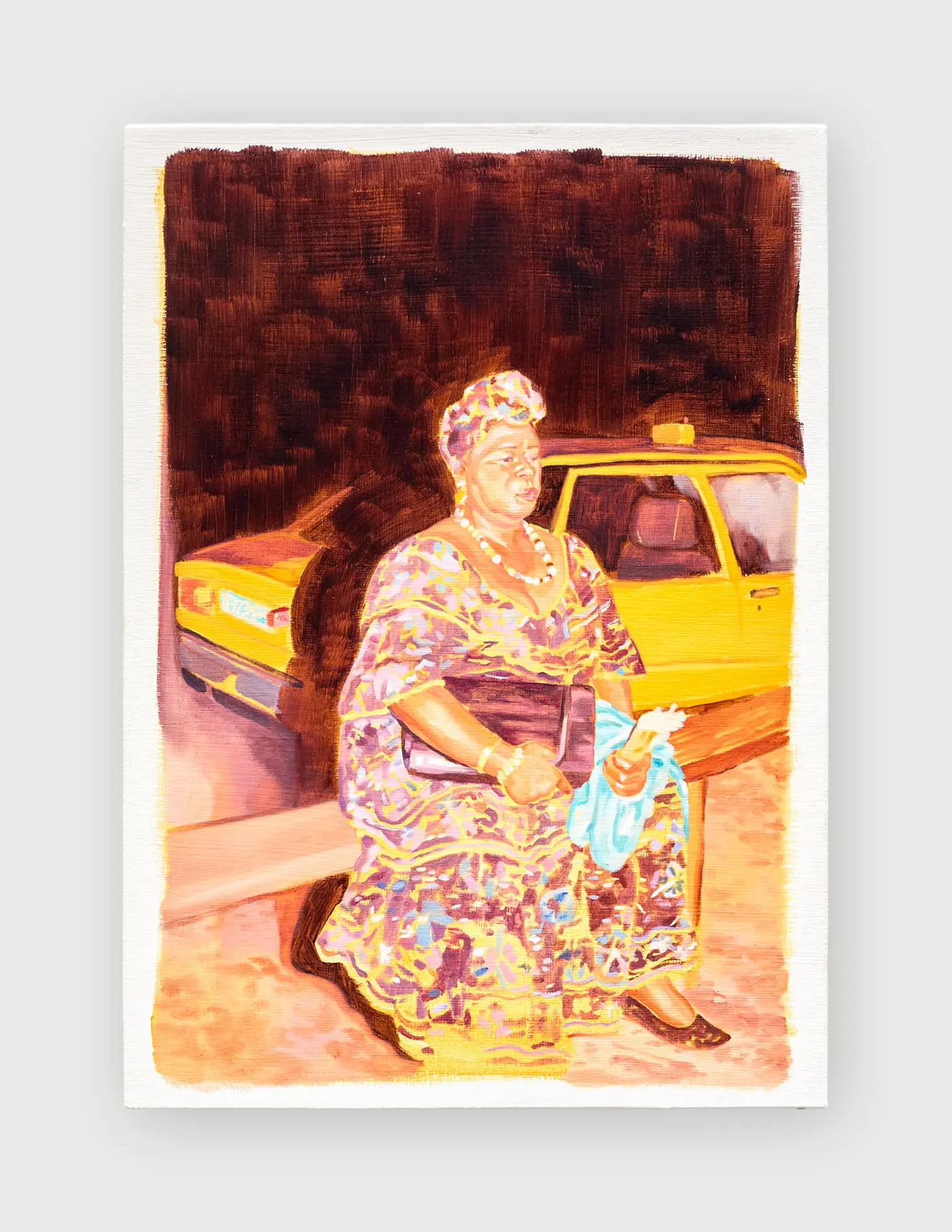
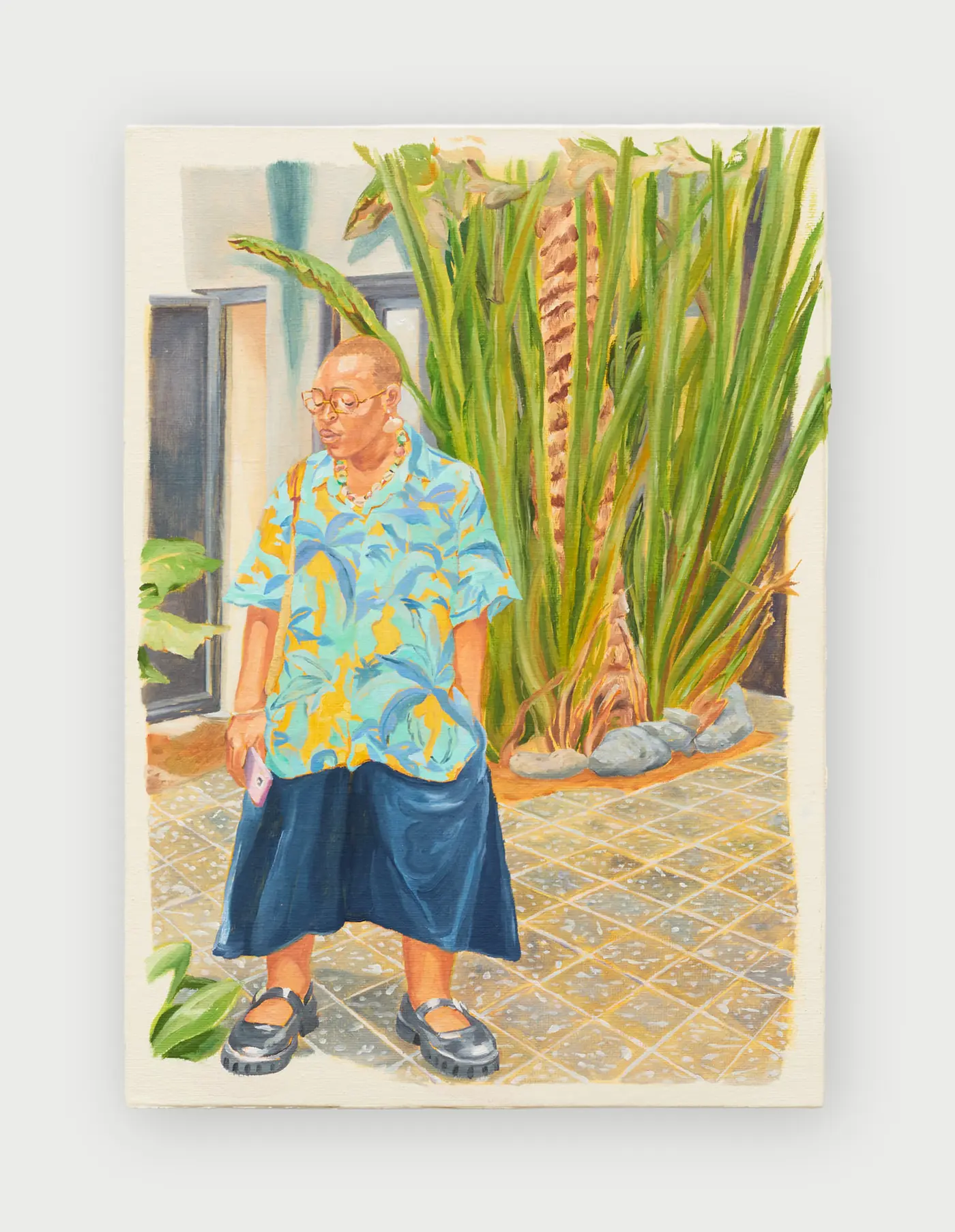
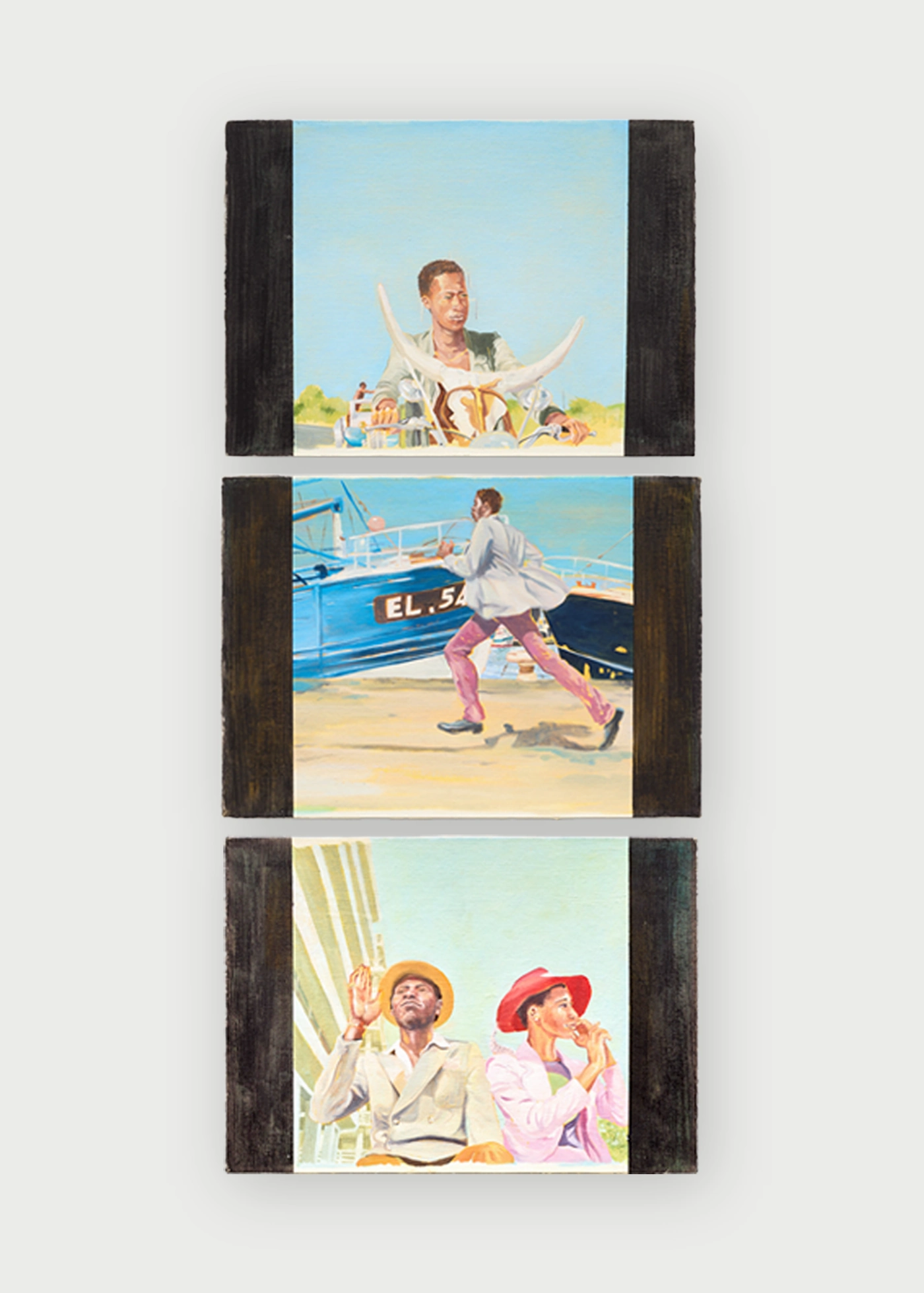
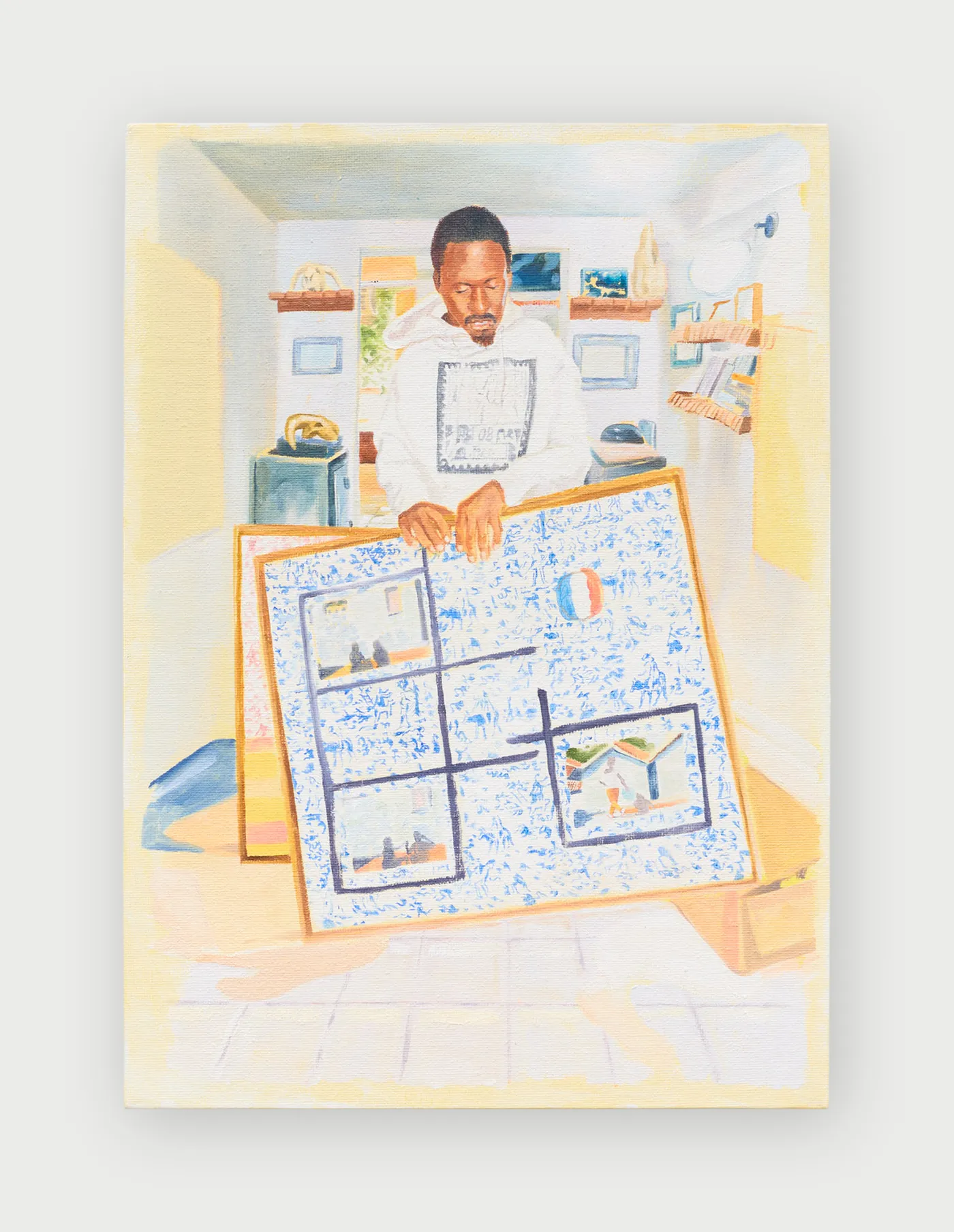
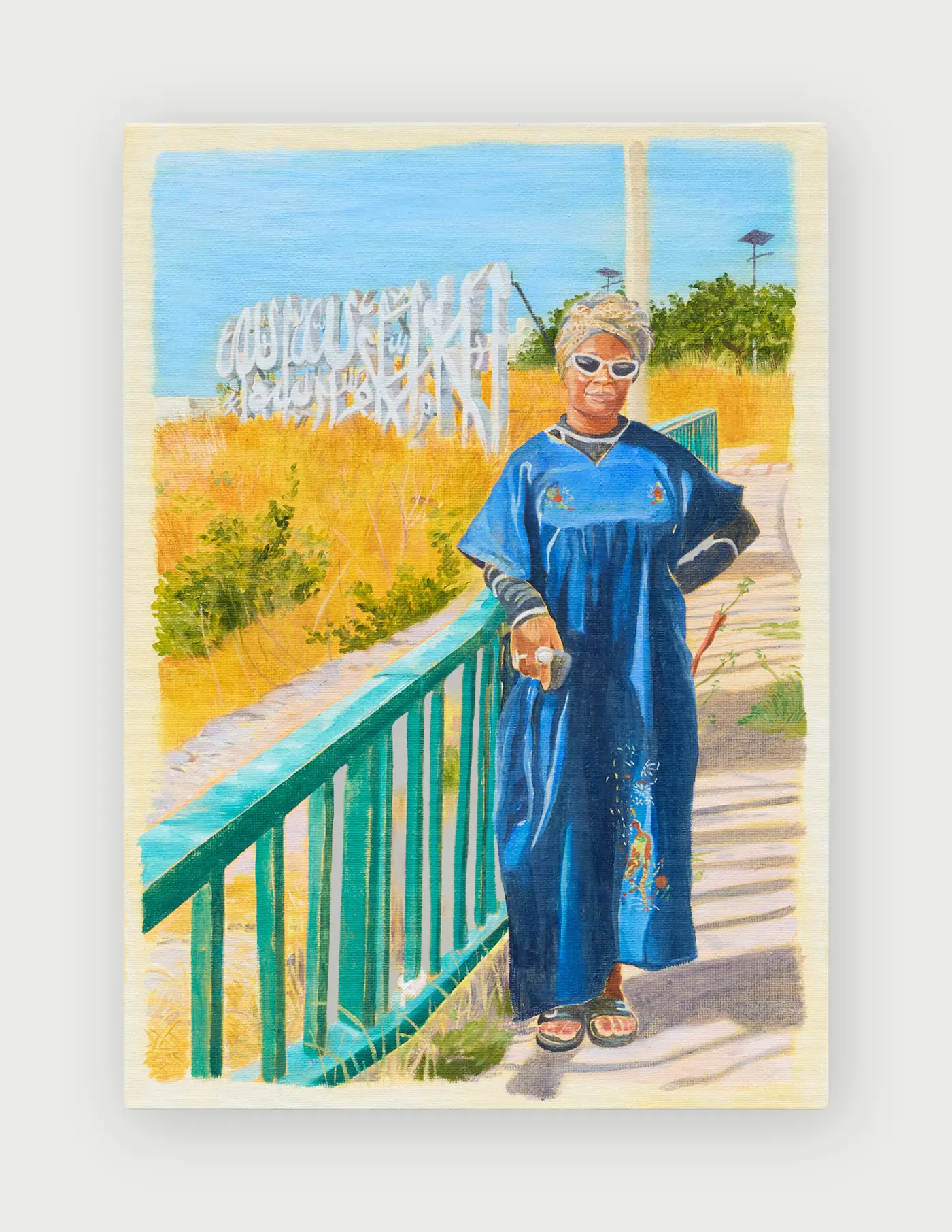
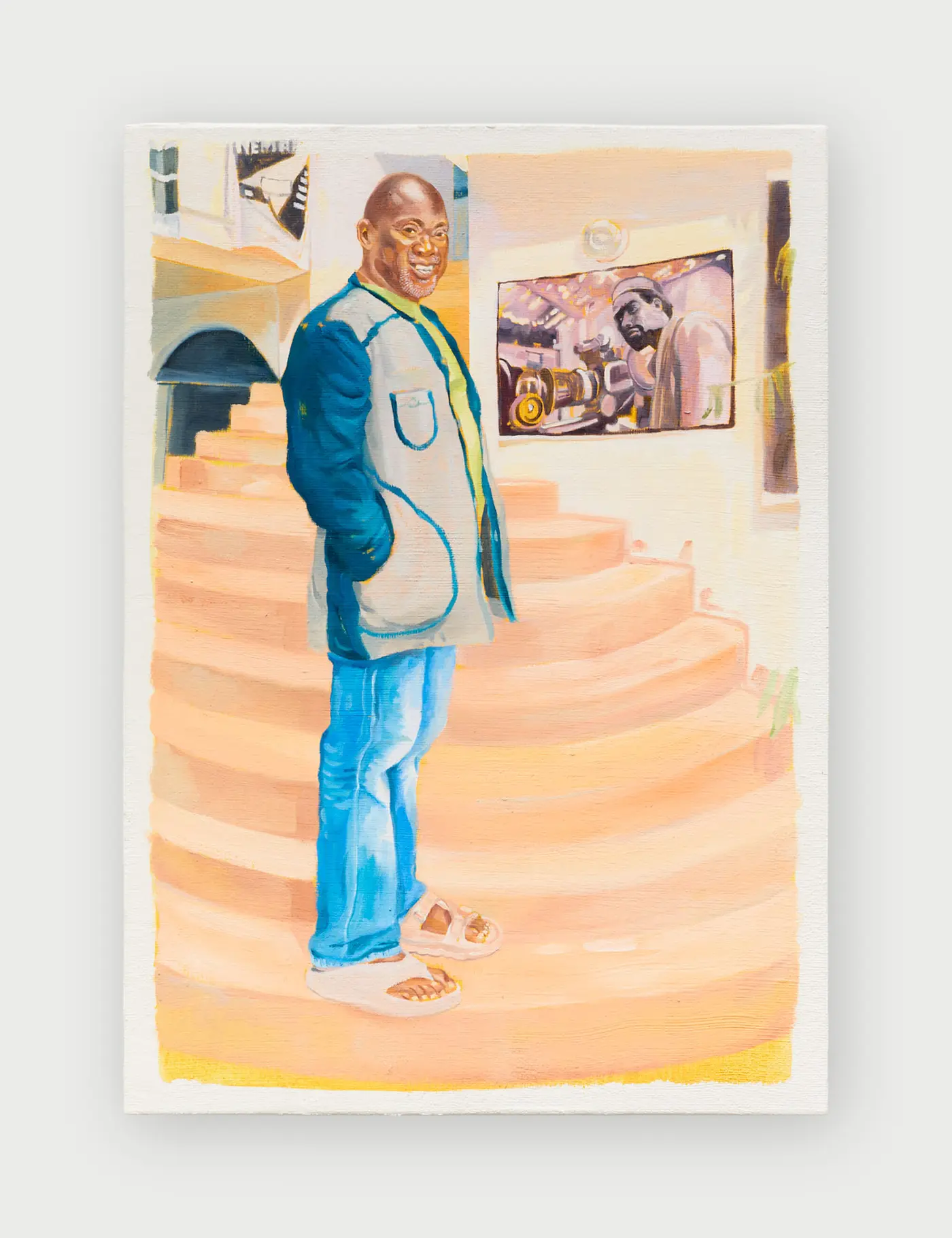
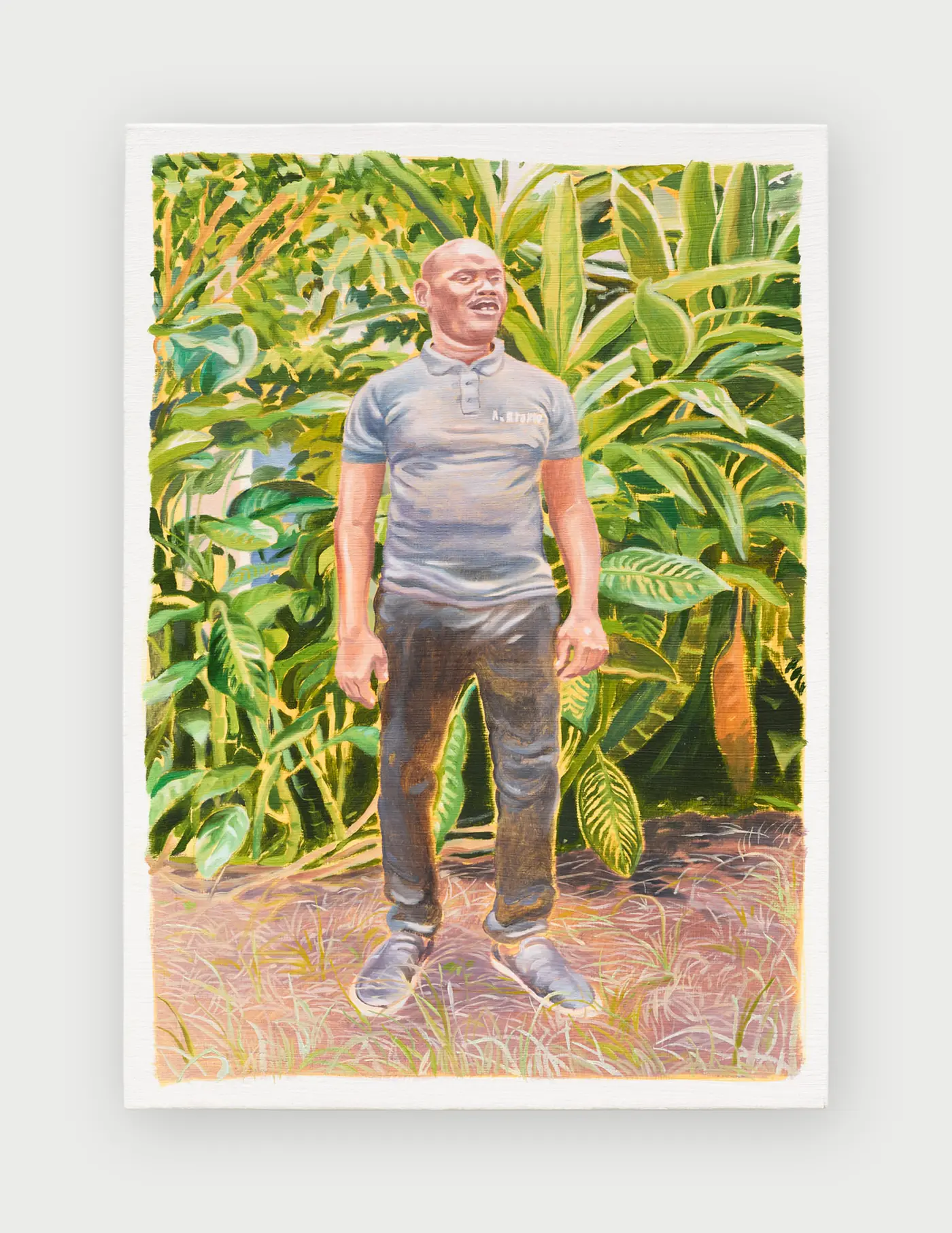
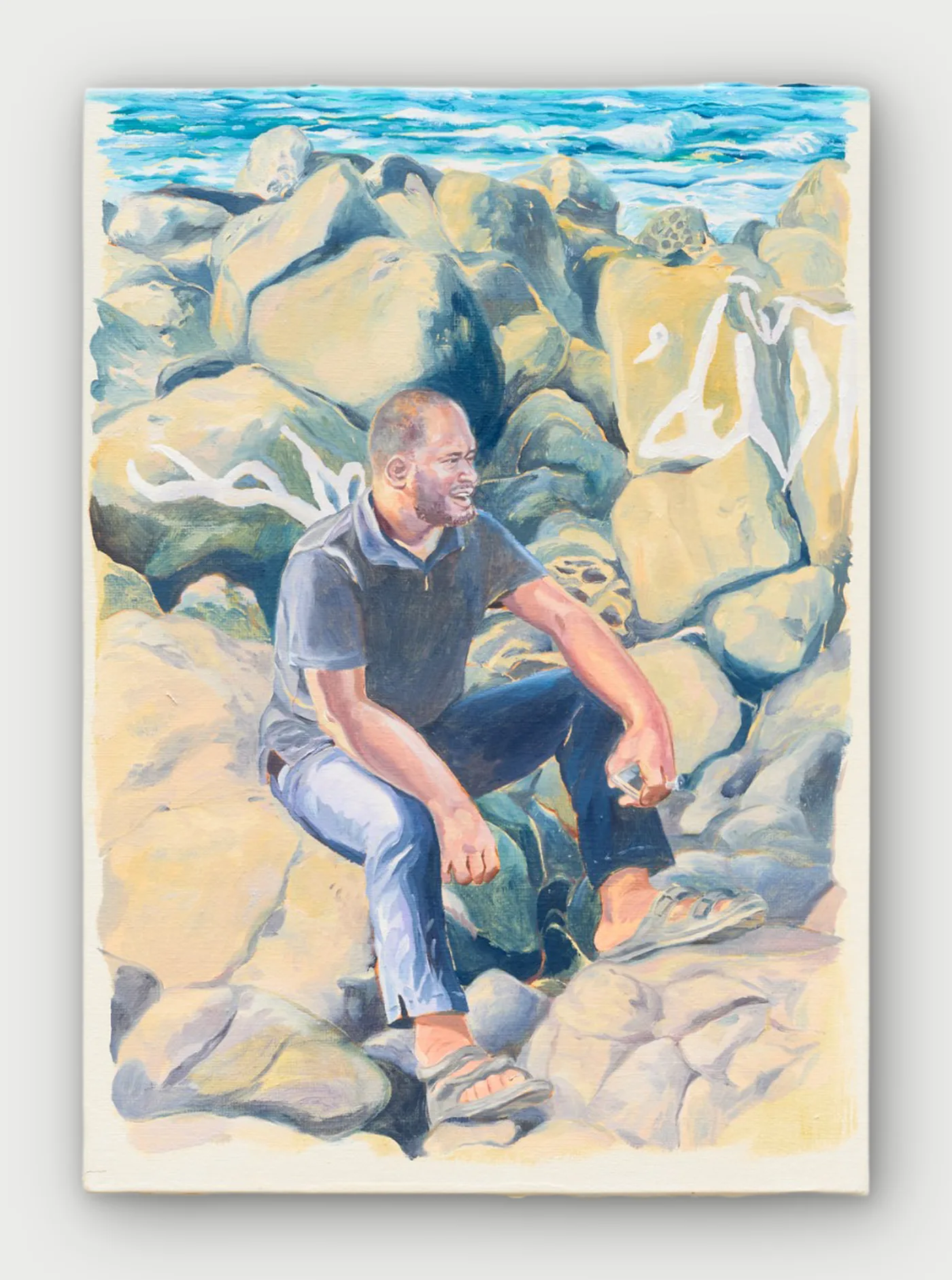
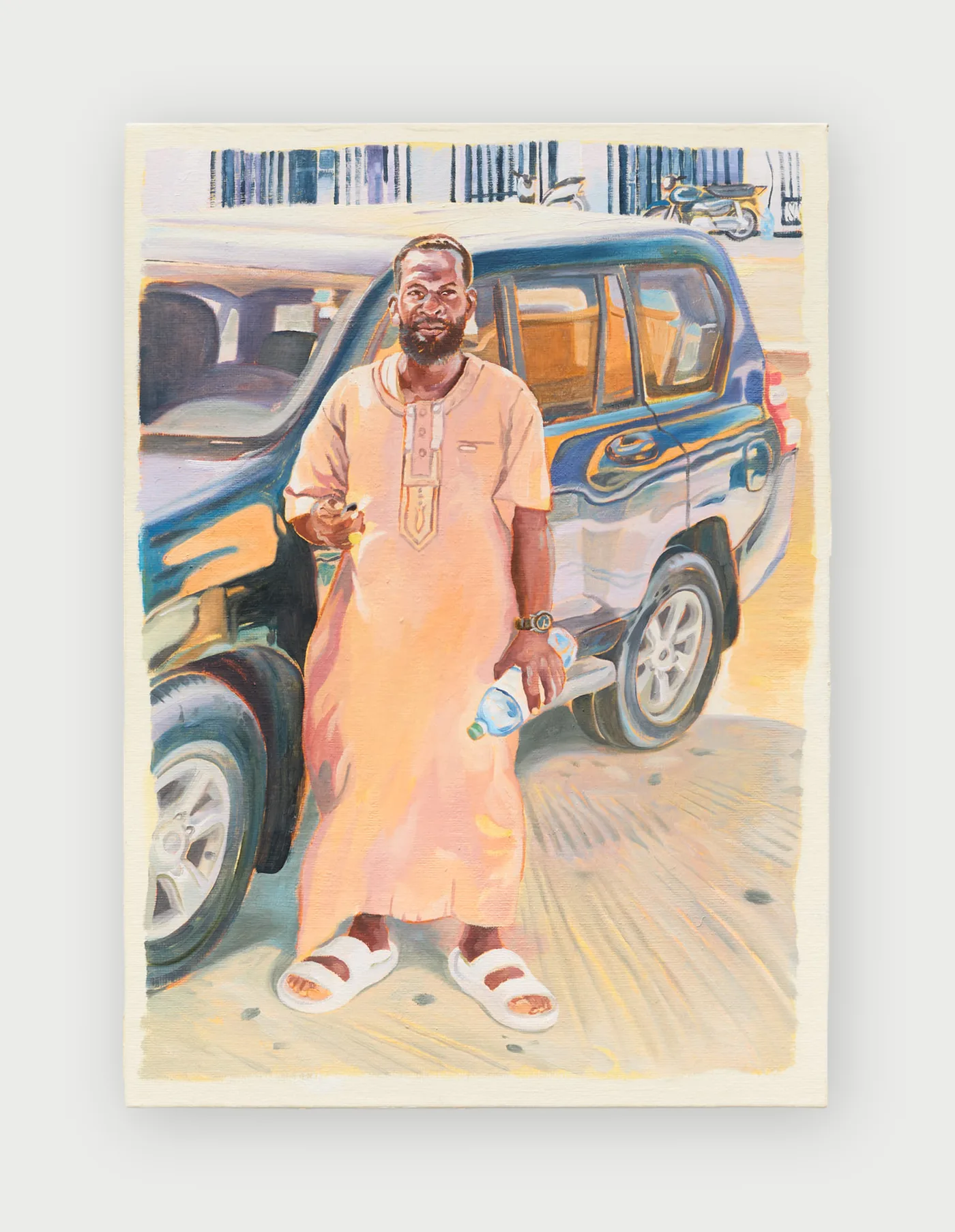
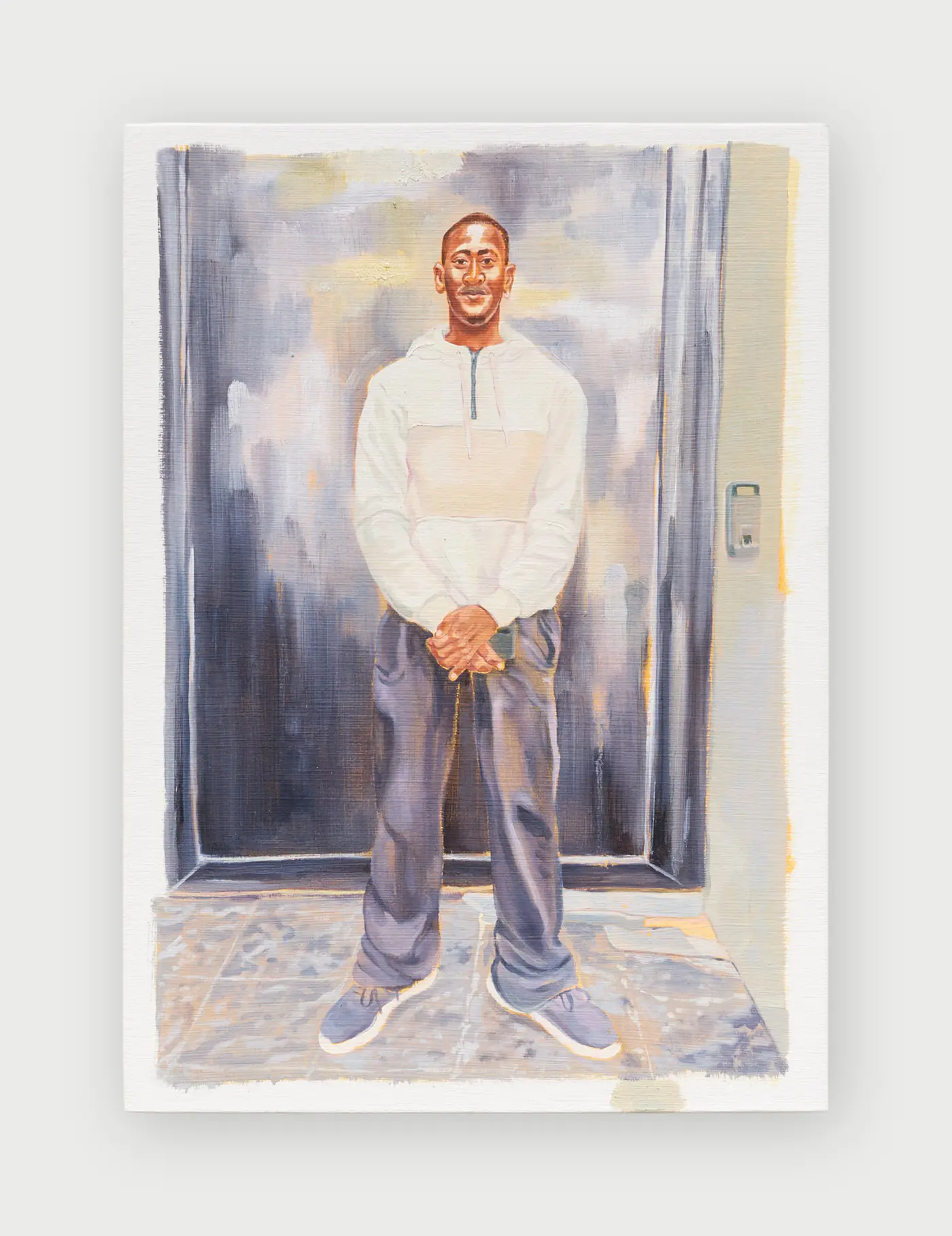
Visita a Djibril Dramé (da série Procurando a Hiena), 2026
Oil on cardboard
13,8 x 9,8 in
Alassane em Keur Yaadikoone (da série Procurando a Hiena), 2025
Oil on cardboard
13,8 x 9,8 in
Gabriela Giroletti
Ver todas as obras do artista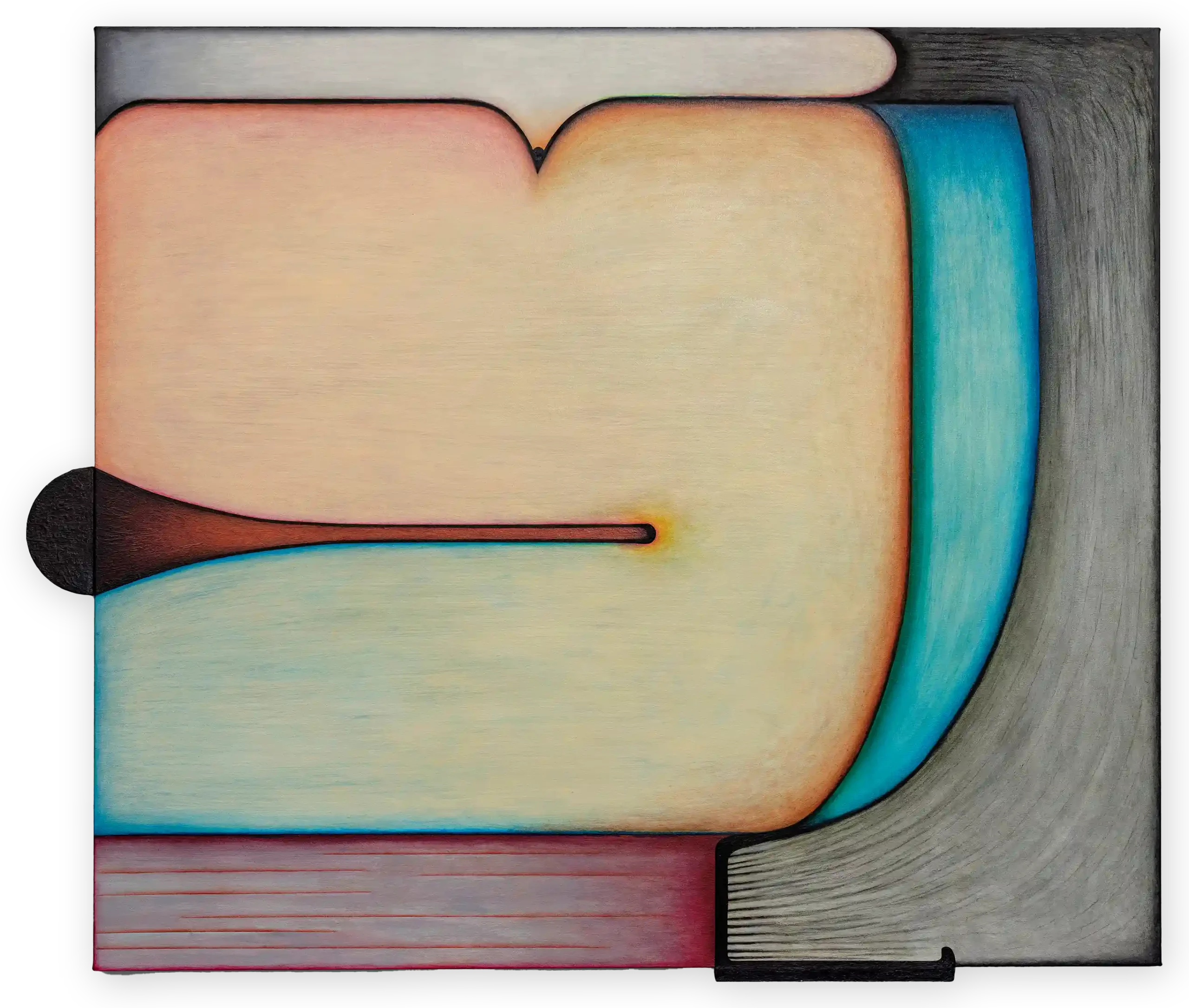
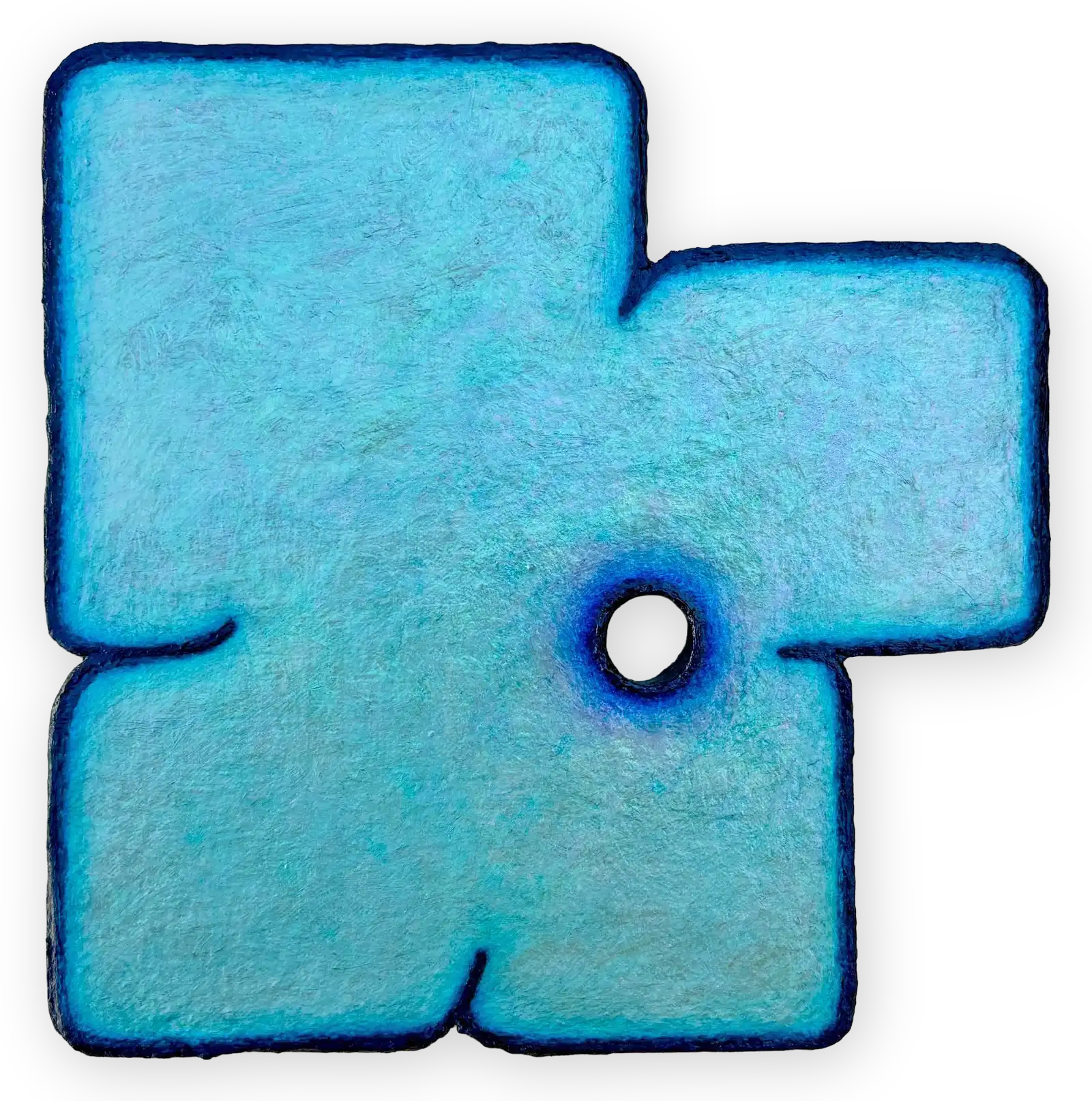
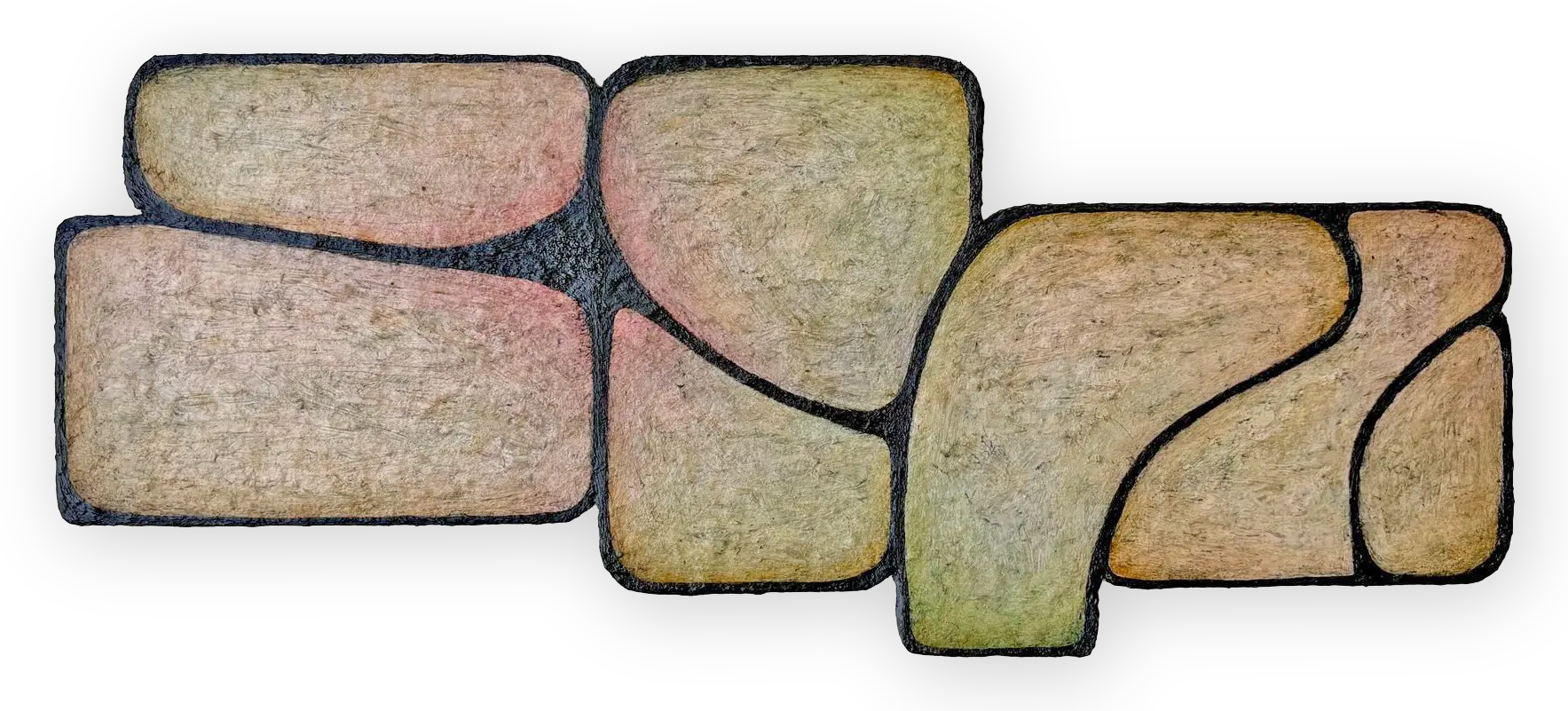
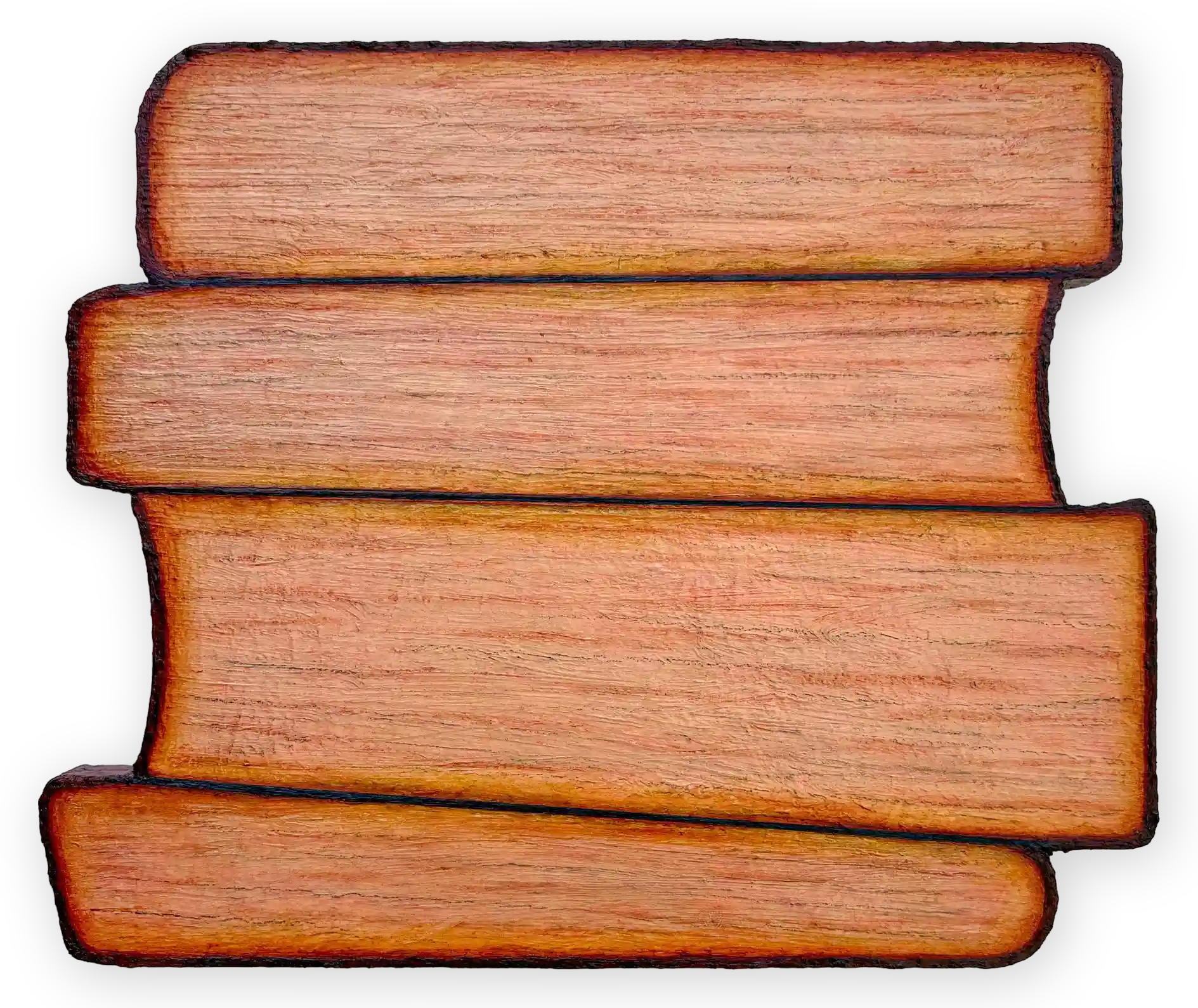
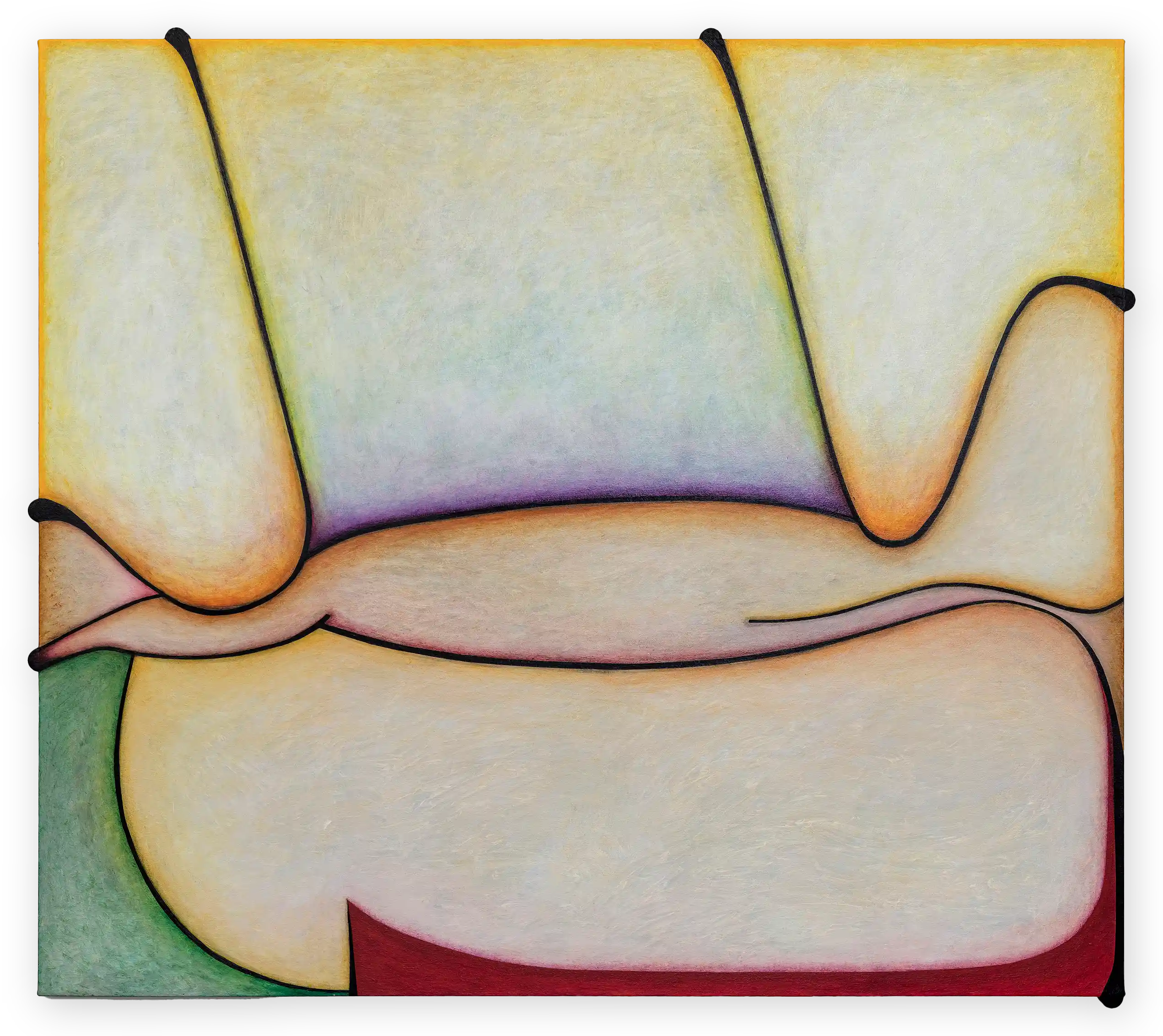
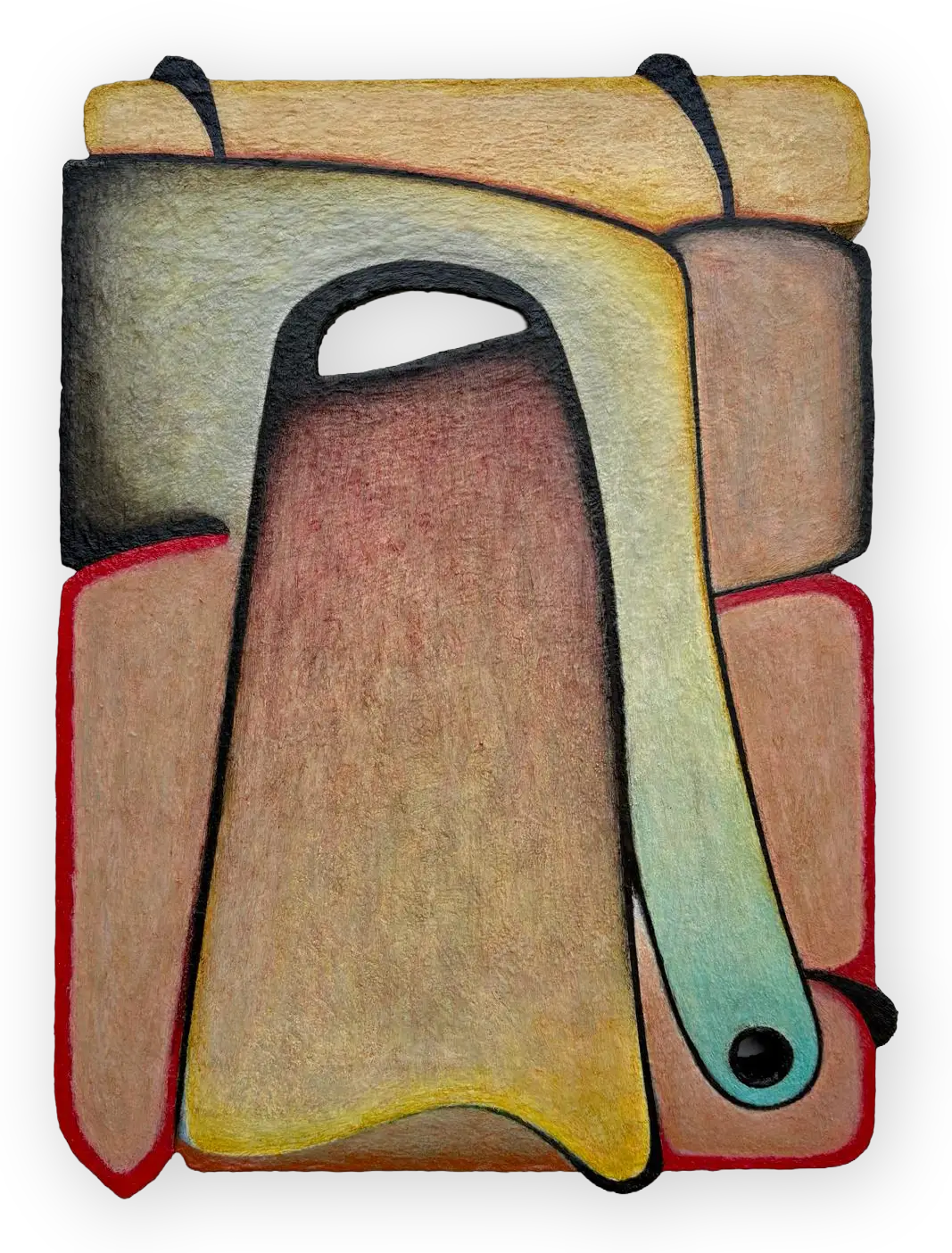
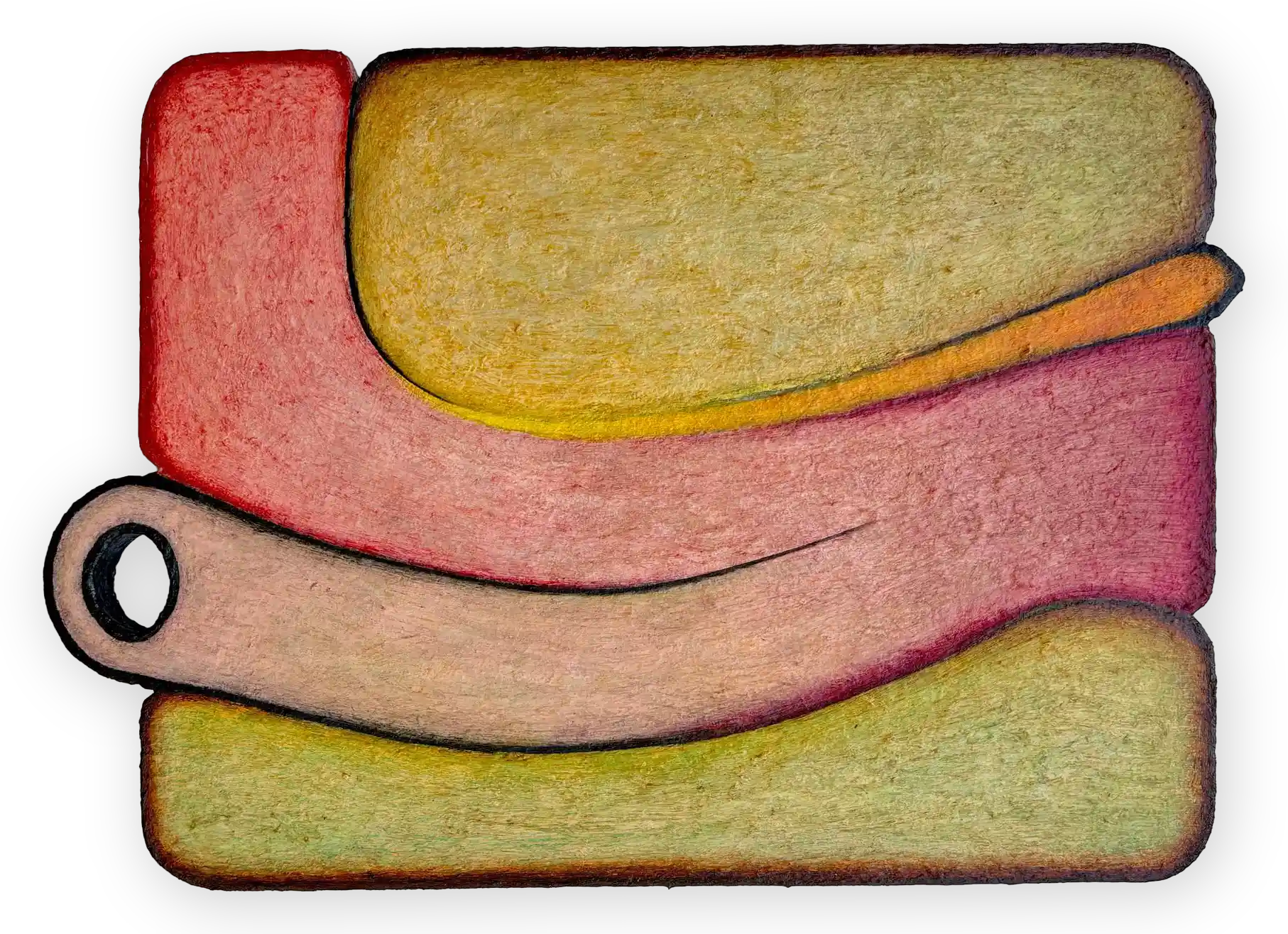
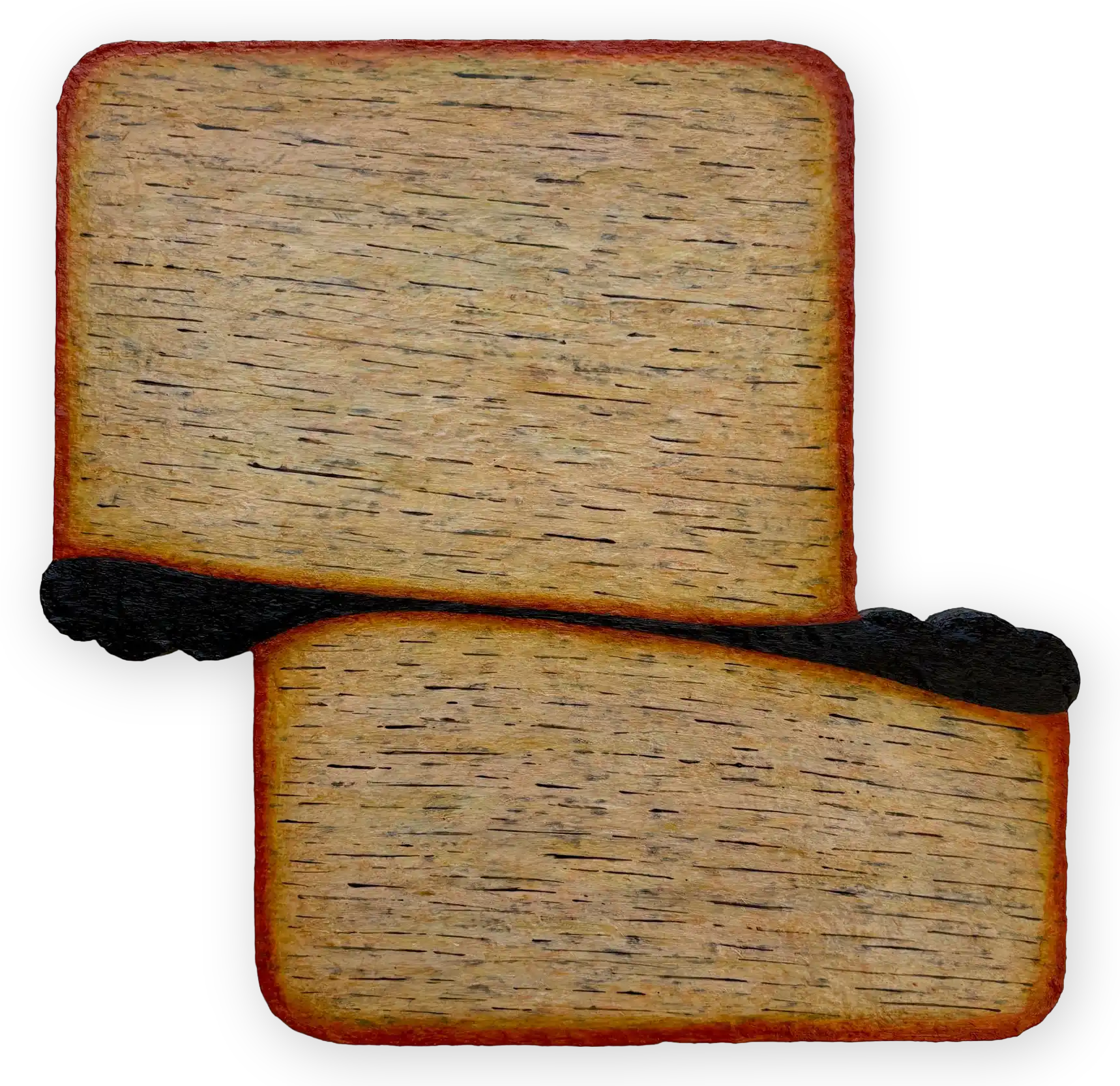
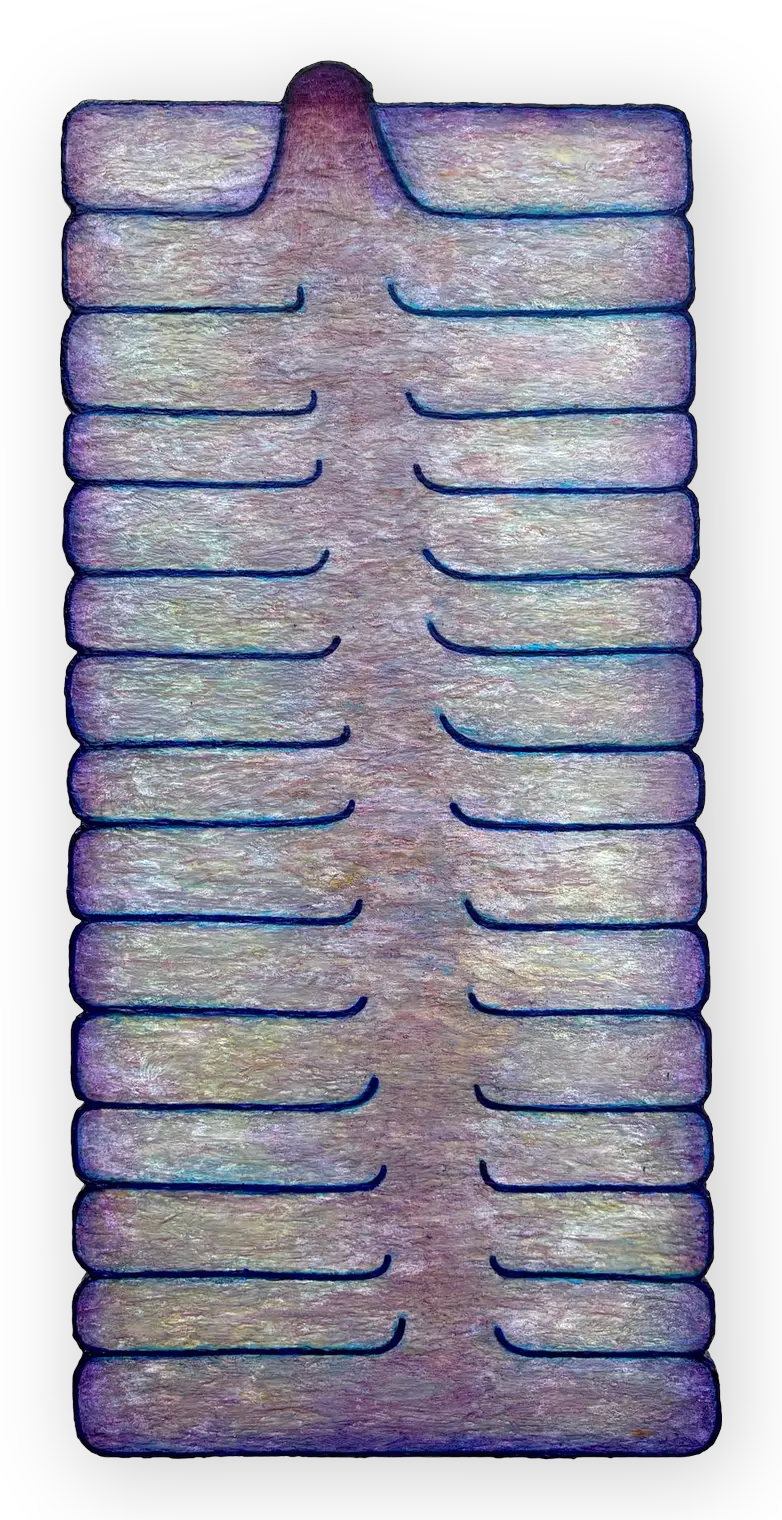
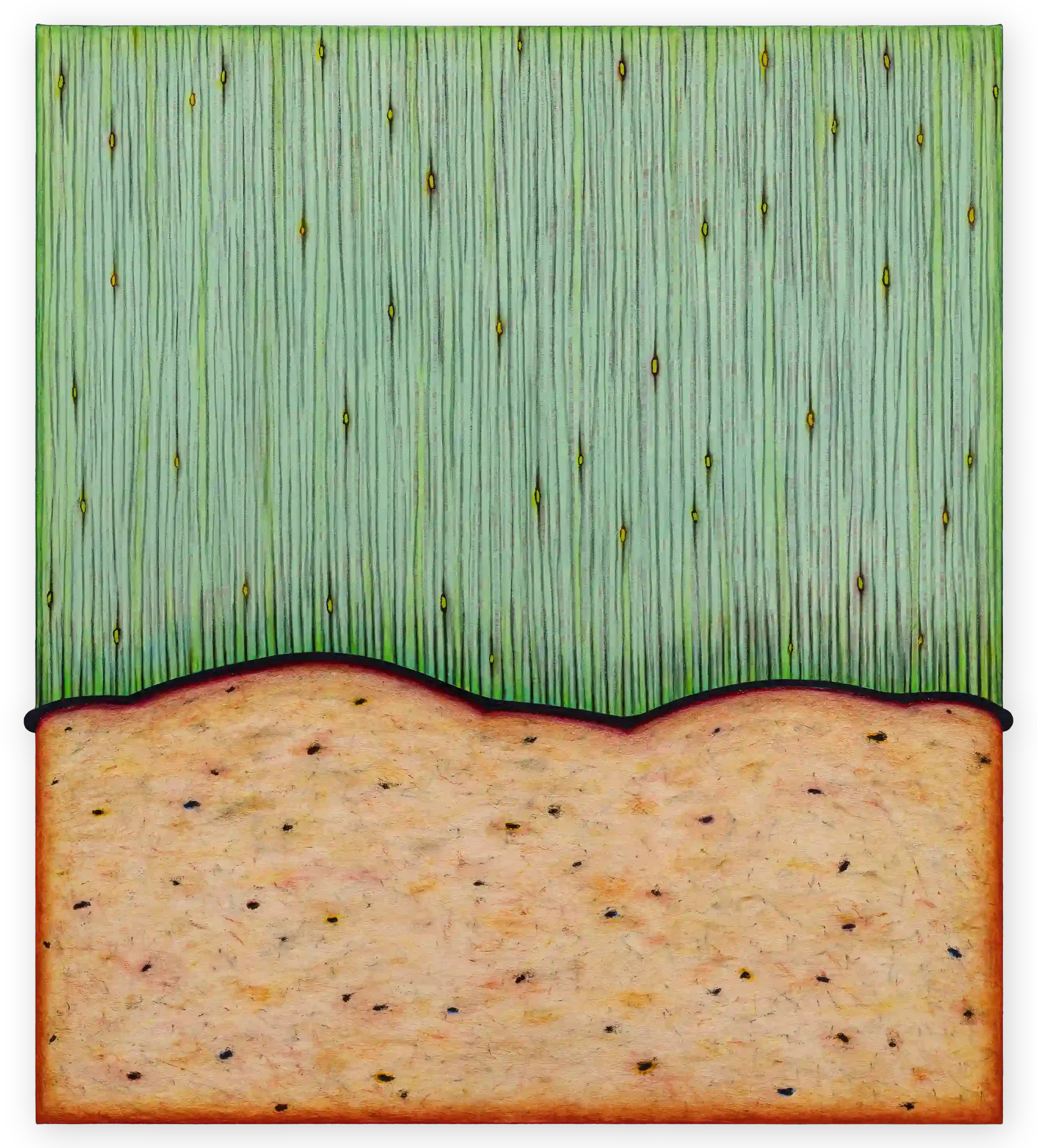
Poço (rios e ruas, aqui e lá), 2026
Charcoal, soft pastel, acrylic, oil and oil stick on wood panel
66,9 x 59,1 x 1,6 in
Catch and Release, 2026
Charcoal, soft pastel, acrylic, oil and oil stick on wood panel
7,9 x 18,9 in
Mil Folhas, 2026
Charcoal, soft pastel, acrylic, oil and oil stick on wood panel
10 x 12,2 in
Entre ondas, um oceano, 2026
Charcoal, soft pastel, acrylic, oil and oil stick on wood panel
66,9 x 59,1 x 1,6 in
Brechas, 2026
Charcoal, soft pastel, acrylic, oil and oil stick on wood panel
12,6 x 9,3 in
Distâncias, 2026
Charcoal, soft pastel, acrylic, oil and oil stick on wood panel
10,1 x 10,4 in
Turning,Turning, 2026
Charcoal, soft pastel, acrylic, oil and oil stick on wood panel
20,5 x 9,4 in
Tempo Destilado (ocasional rain), 2026
Charcoal, soft pastel, acrylic, oil and oil stick on wood panel
66,9 x 59,1 x 1,6 in
Germana Monte-Mór
Ver todas as obras do artista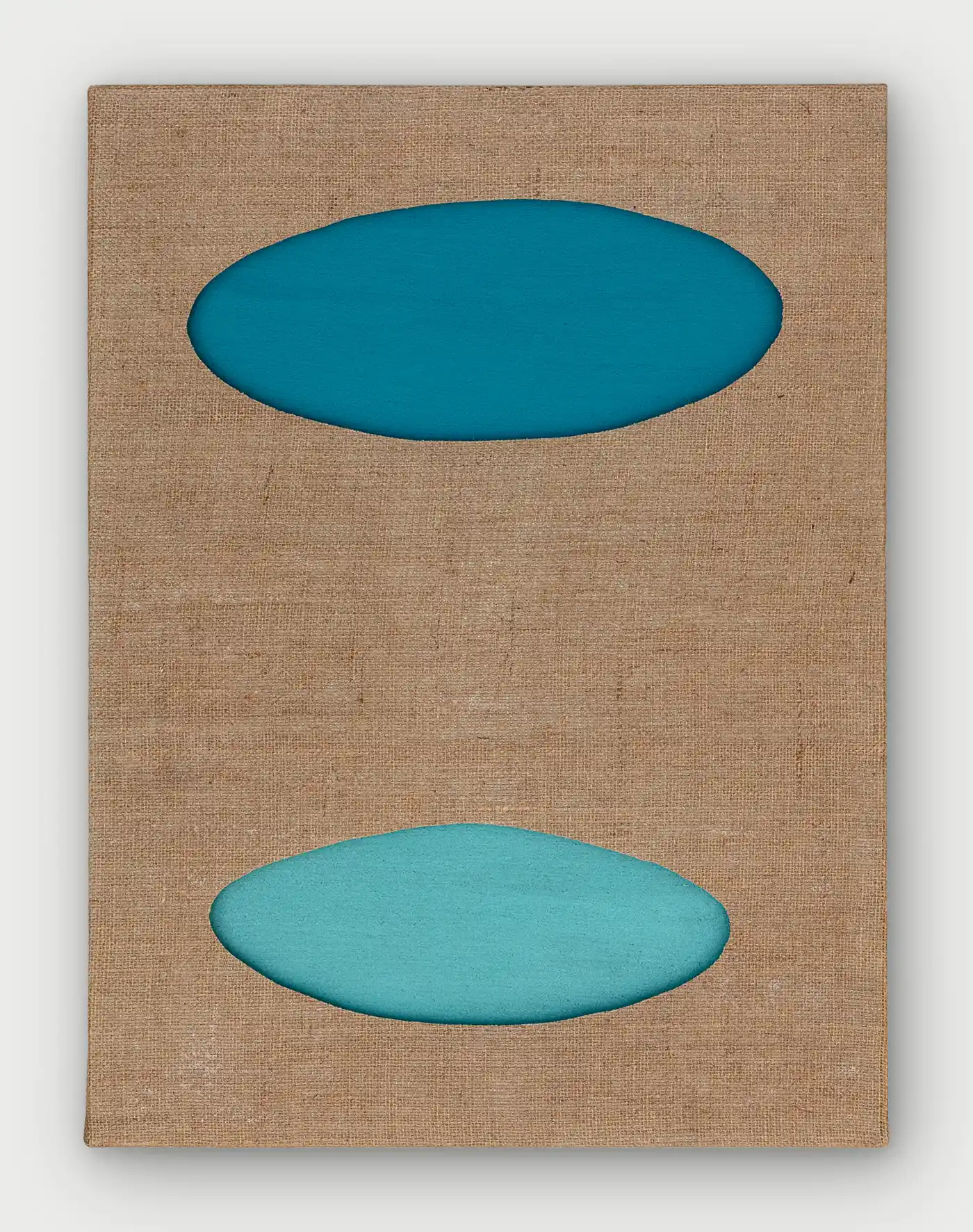
Heloisa Hariadne
Ver todas as obras do artista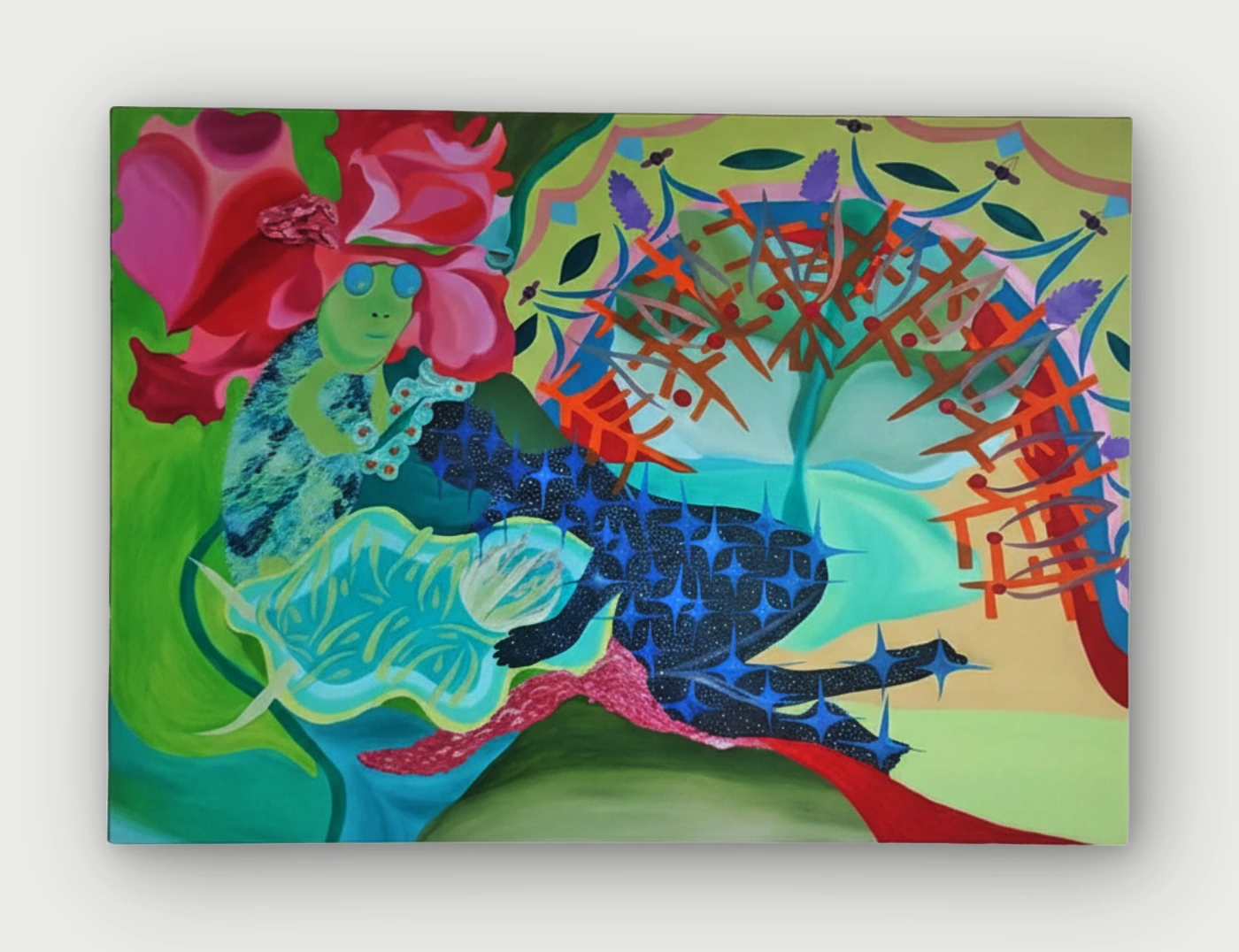
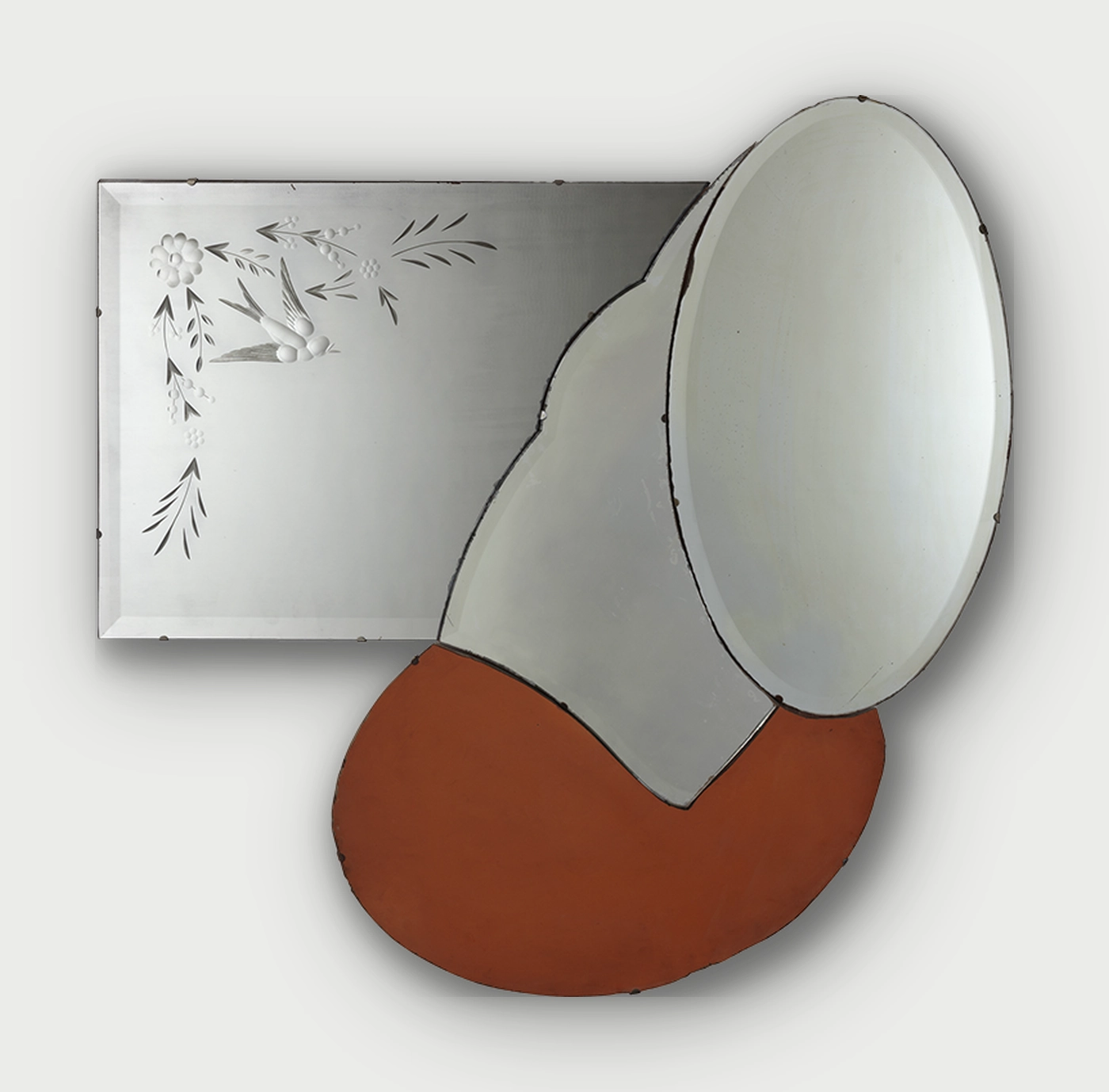
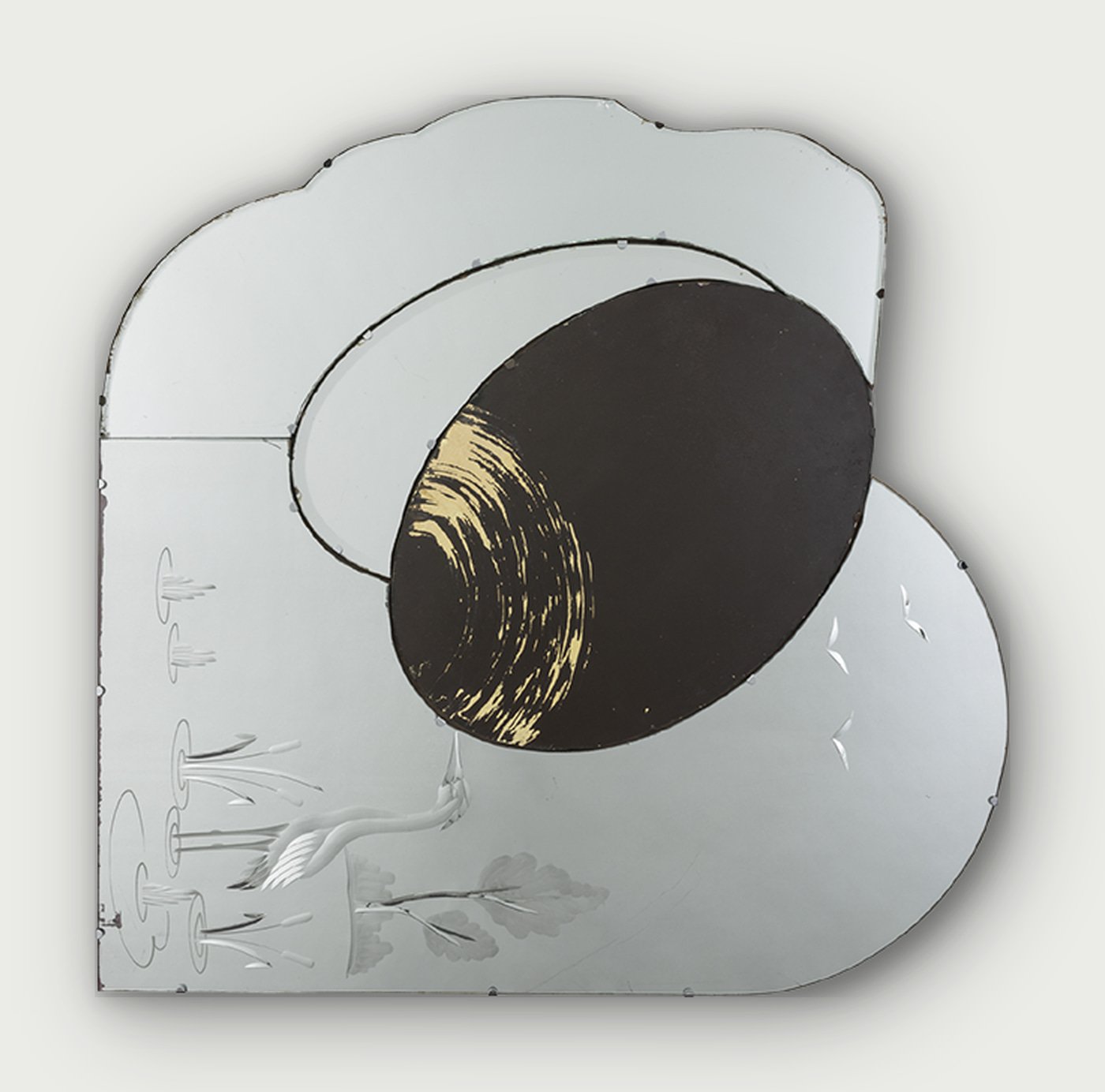
Henry Krokatsis
Ver todas as obras do artista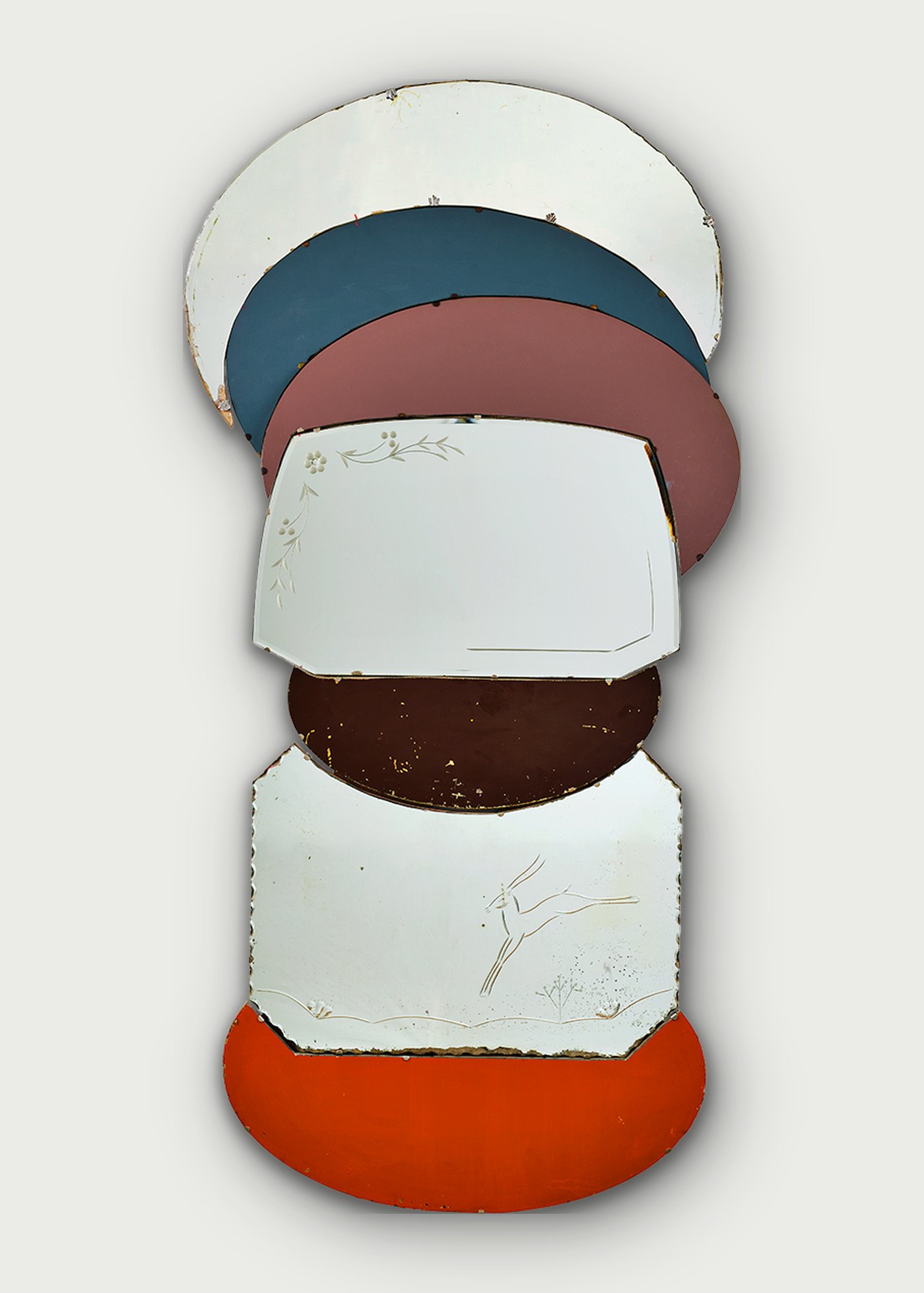
Jaume Plensa
Ver todas as obras do artista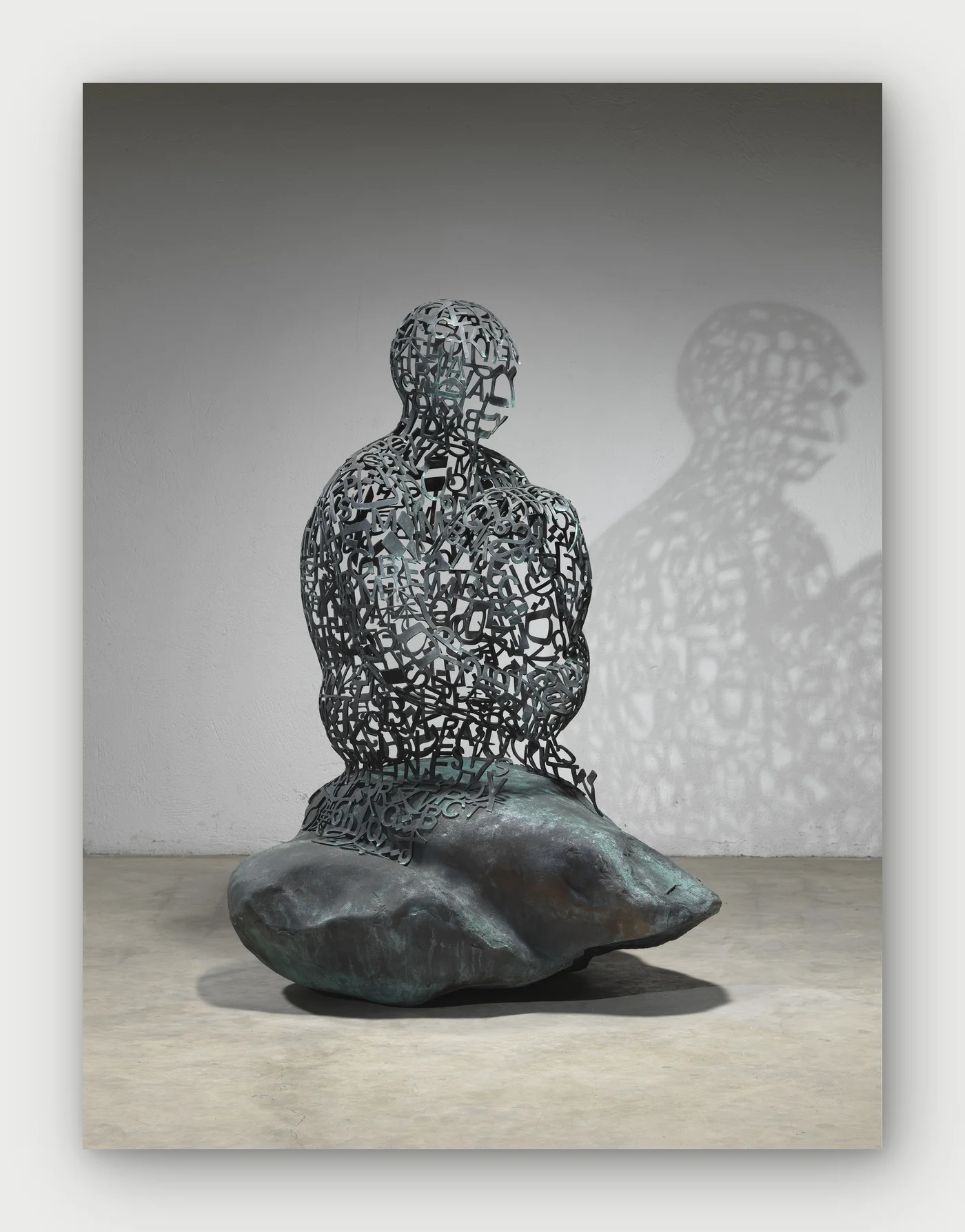
Jorge Enciso
Ver todas as obras do artista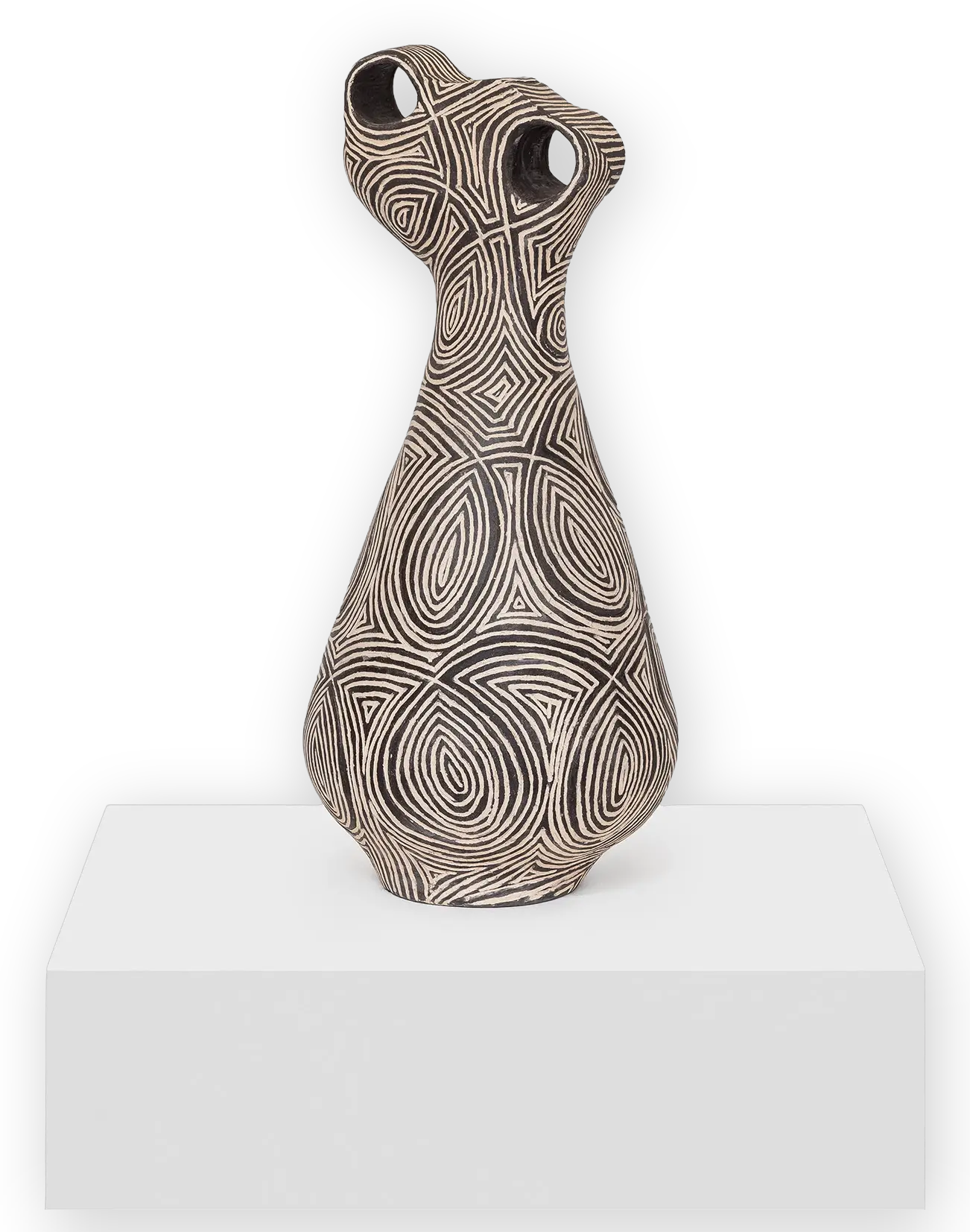
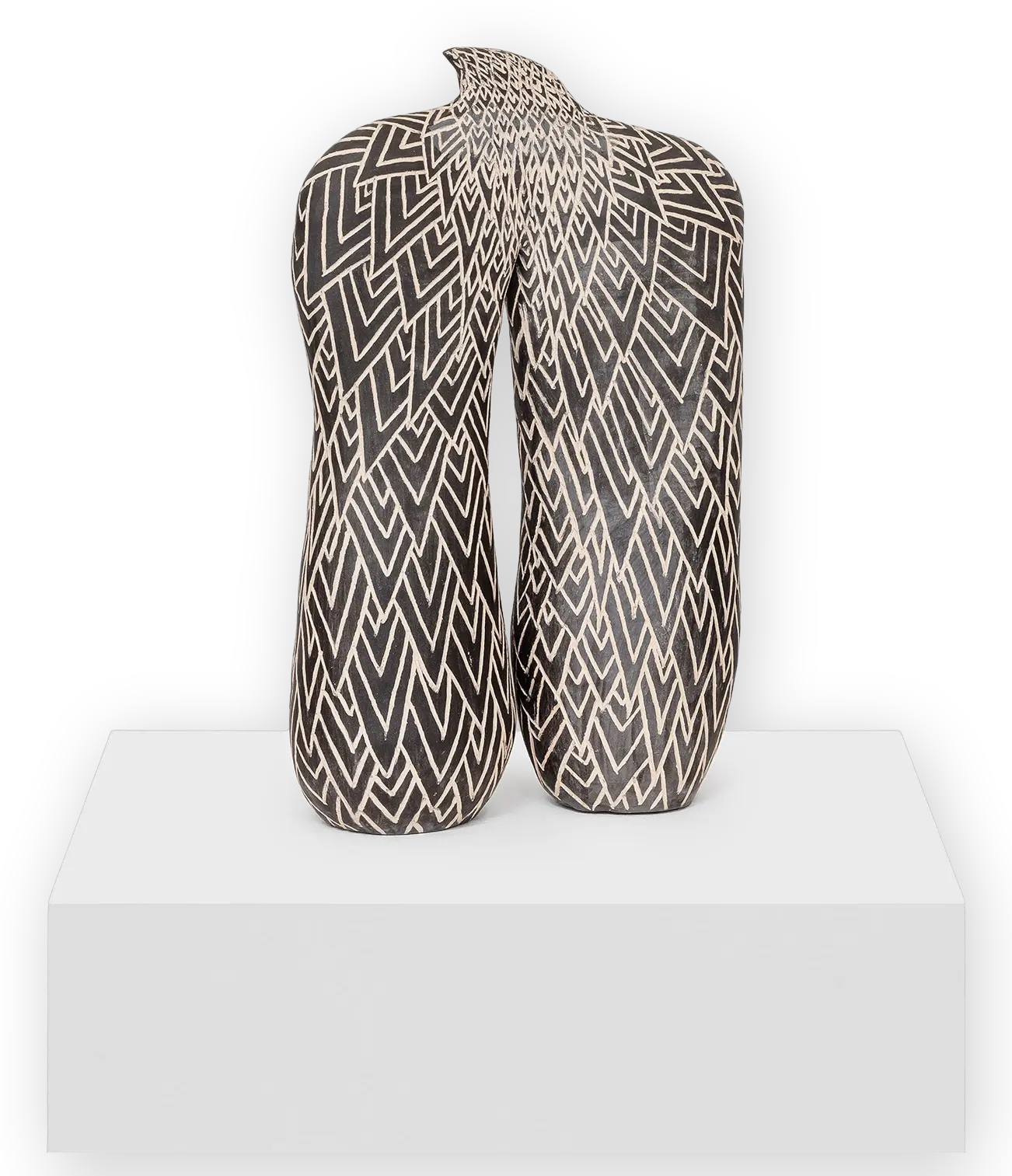
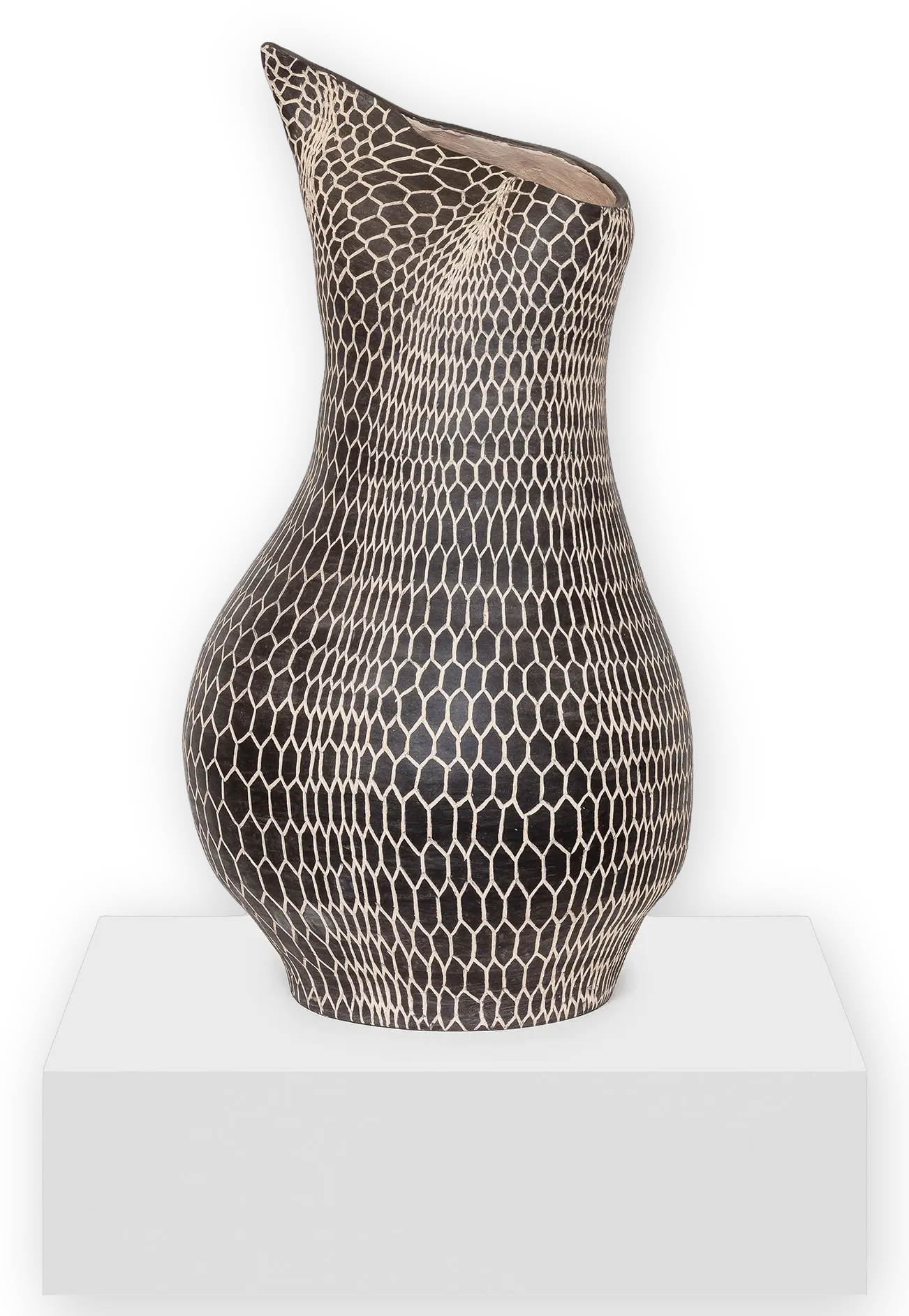
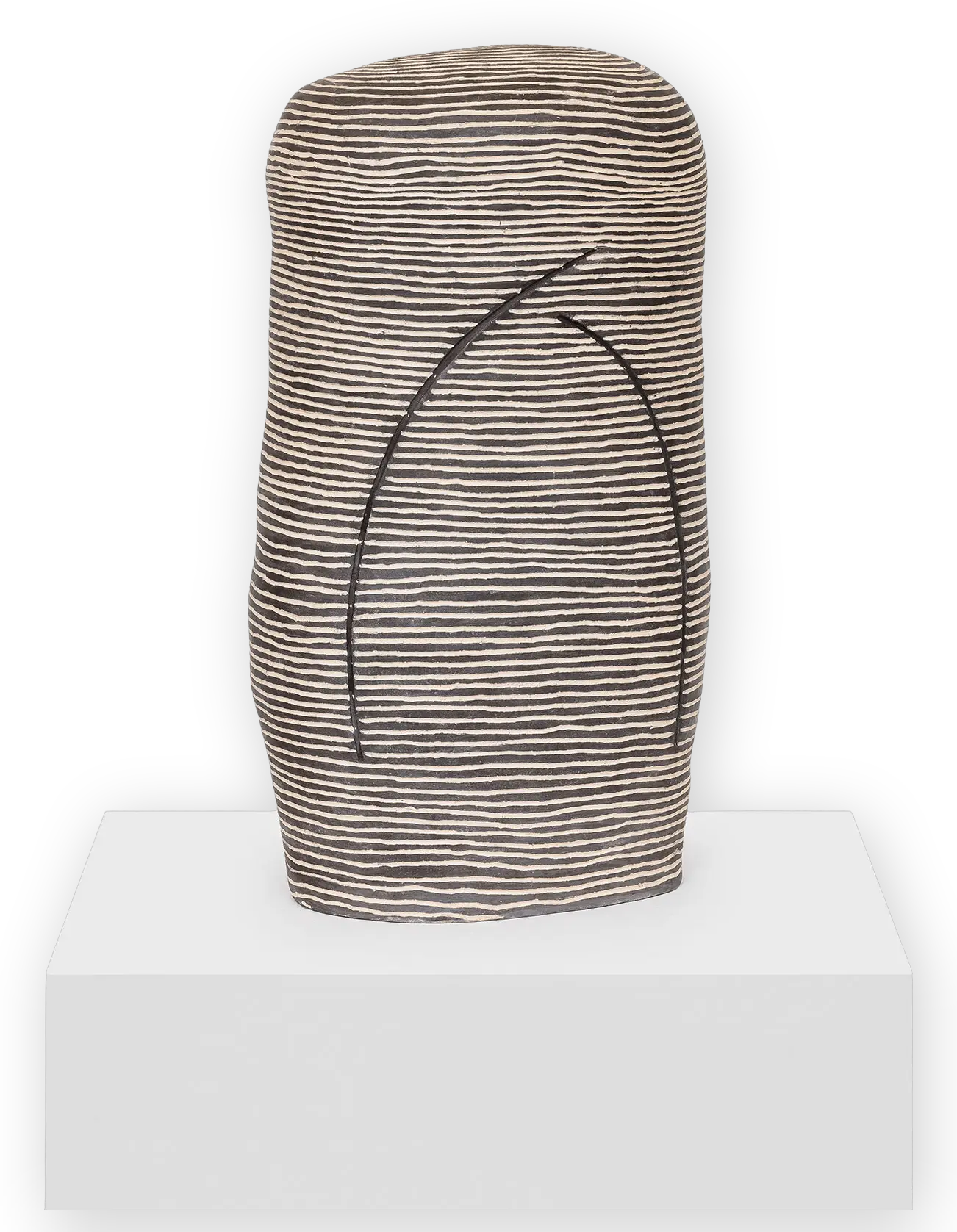
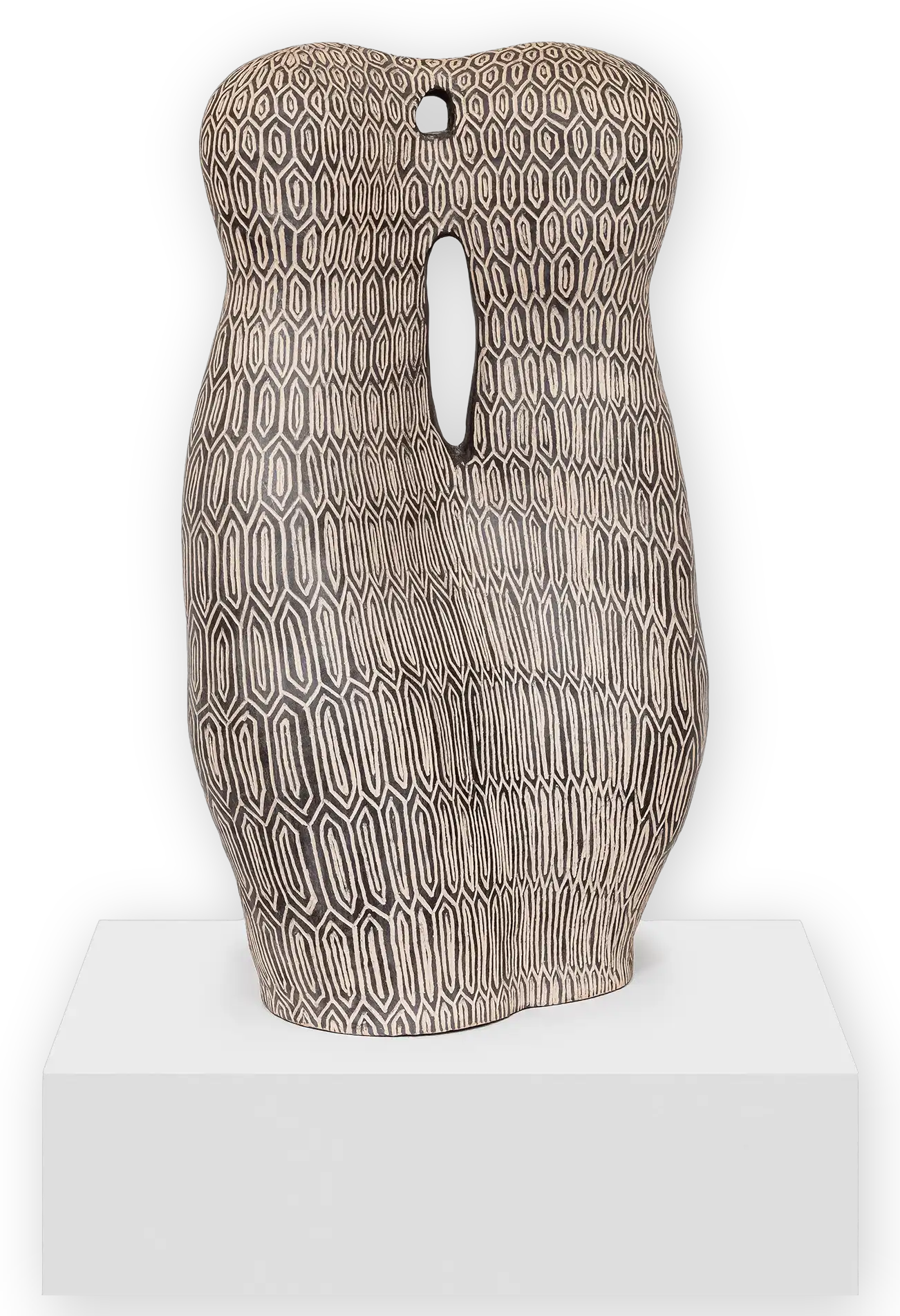
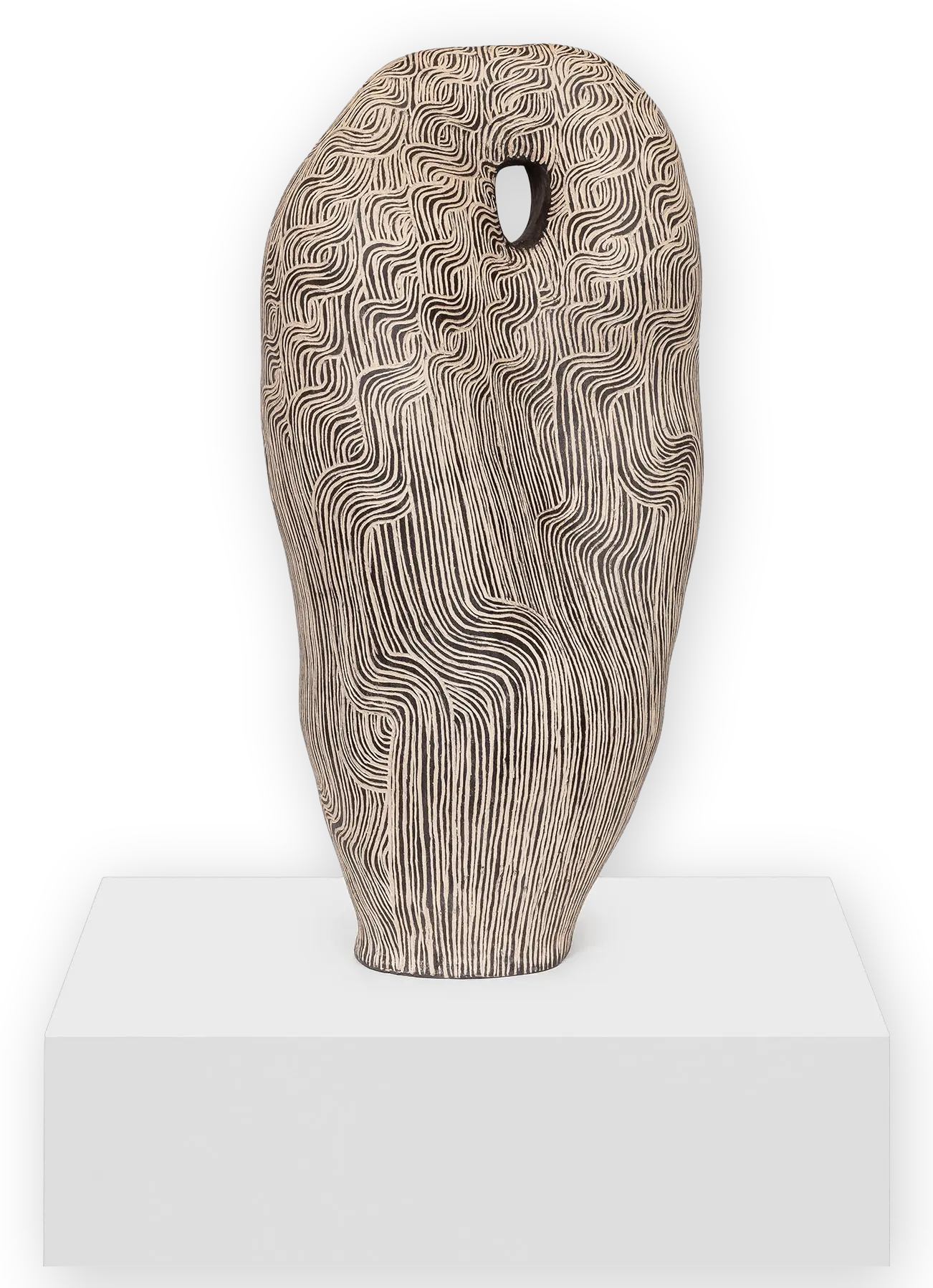
Simbiose Segura, 2026
White clay modeled by hand using the Colombian technique, covered with gray engobe, sgraphed and fired at 1,000°
20,1 x 9,8 x 7,5 in
Ninguém Entra Sem Memória, 2026
White clay modeled by hand using the Colombian technique, covered with gray engobe, sgraphed and fired at 1,000°
18,1 x 11 x 4,7 in
Sempre Presente, 2026
White clay modeled by hand using the Colombian technique, covered with gray engobe, sgraphed and fired at 1,000°
24,4 x 13,8 x 12,2 in
Estrutura que Não Esquece, 2026
White clay modeled by hand using the Colombian technique, covered with gray engobe, sgraphed and fired at 1,000°
20,1 x 12,2 x 7,1 in
Forma Convenida, 2026
White clay modeled by hand using the Colombian technique, covered with gray engobe, sgraphed and fired at 1,000°
24,8 x 14,2 x 7,9 in
Conexões emocionais, 2026
White clay modeled by hand using the Colombian technique, covered with gray engobe, sgraphed and fired at 1,000°
23,6 x 11 x 7,9 in
Luciano Figueiredo
Ver todas as obras do artista
Luiz Braga
Ver todas as obras do artista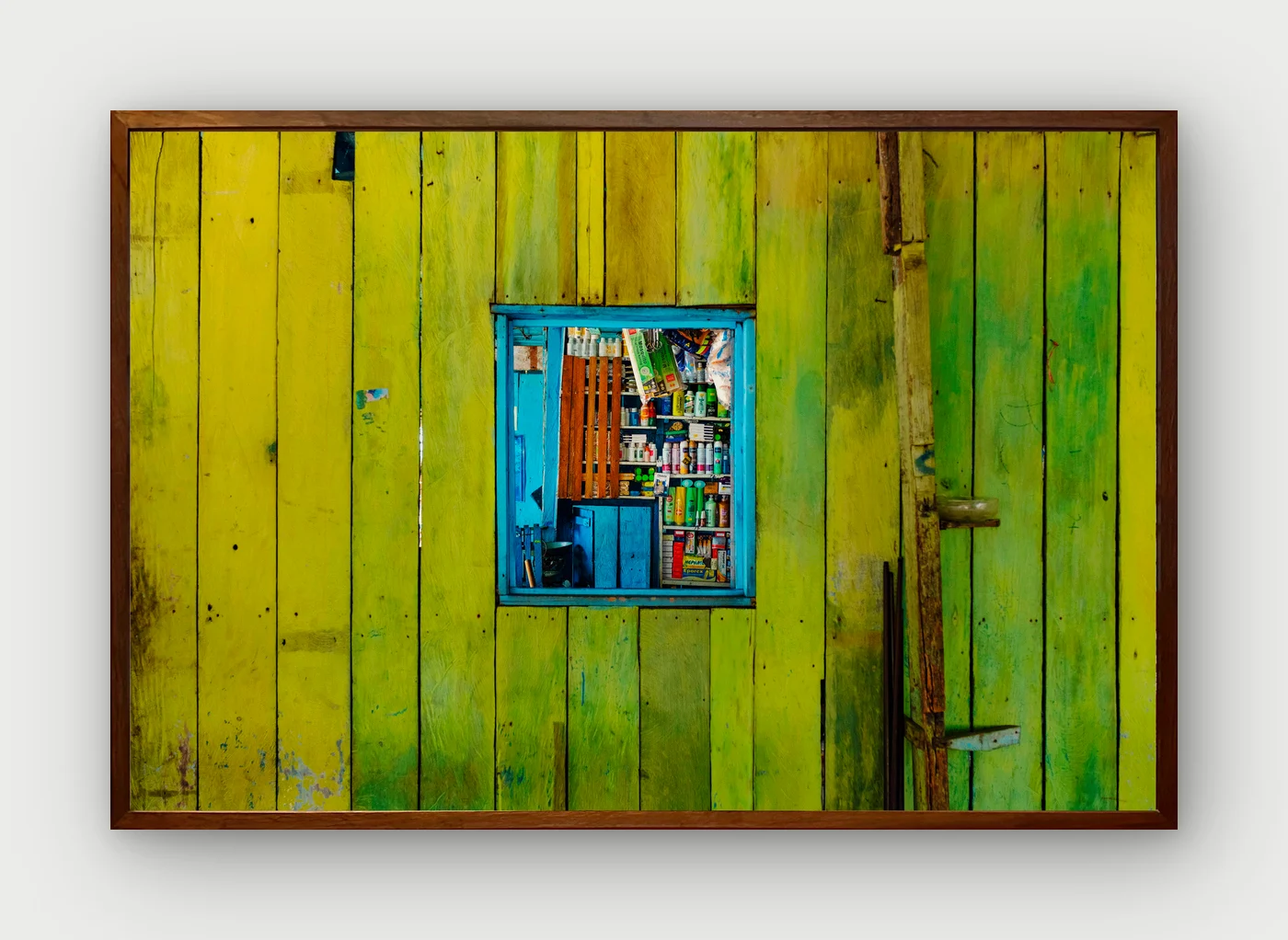
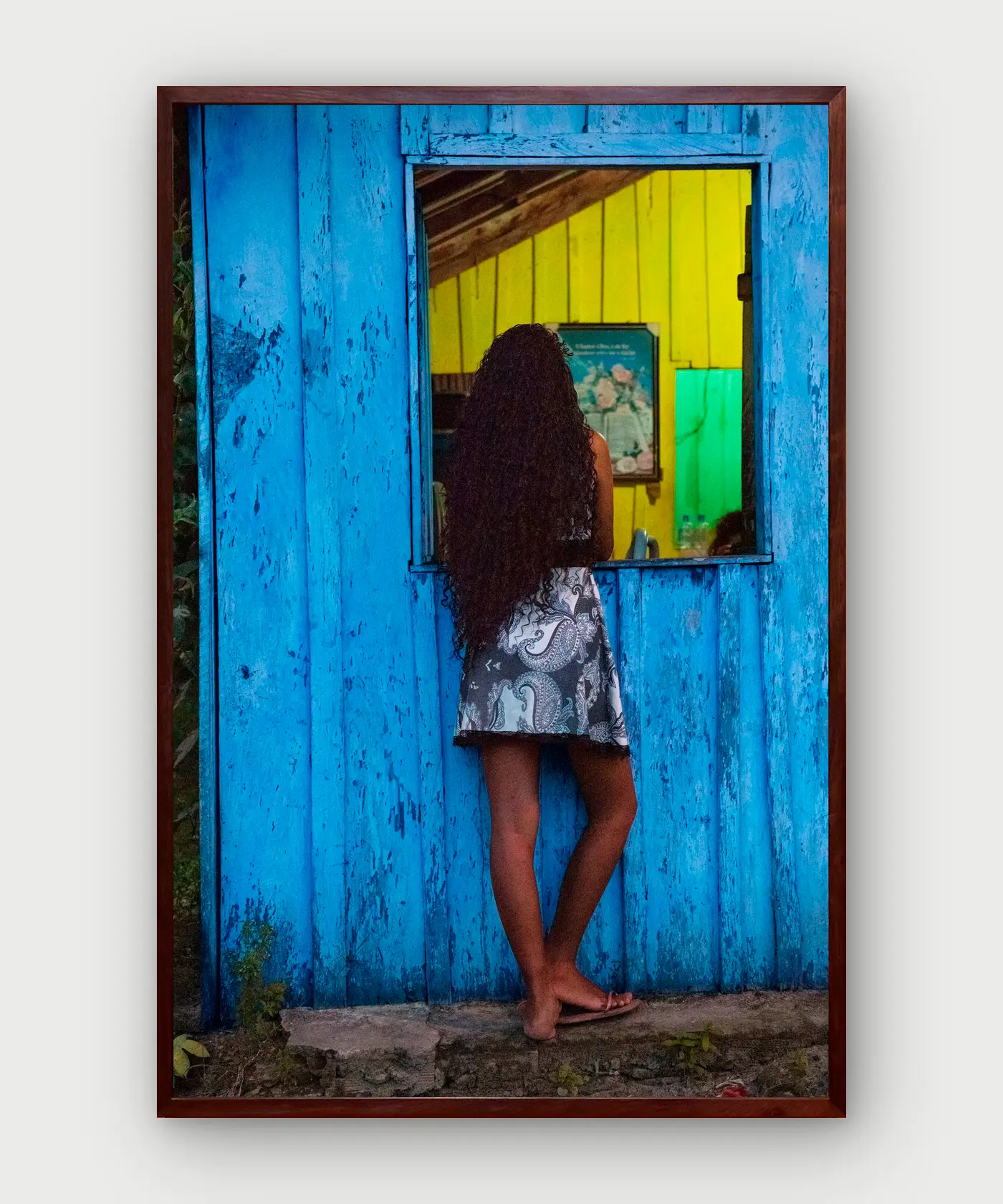
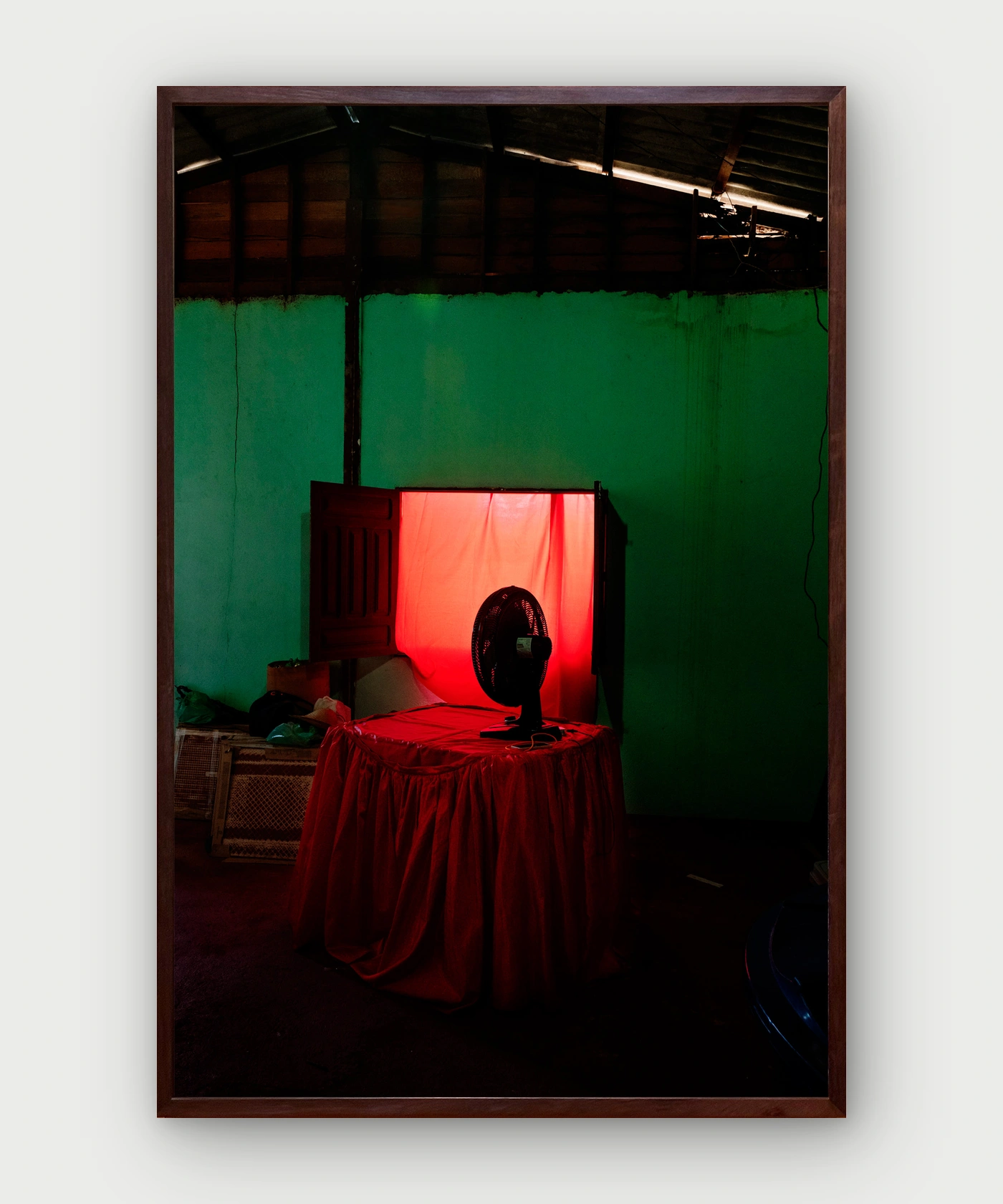
Banana verde, 2023
Pigment on cotton photographic paper
23,6 x 35,4 in
Edition: 5 + 2 P.A. (2/5)
Mãos de açaí, 1999
Pigment print on photographic cotton paper
23,6 x 35,4 in
Edition: 5 + 2 P.A.(3/5)
Janela de Doralice, 2022
Pigment on cotton photographic paper
23,6 x 35,4 in
Edition: 5 + 2 P.A. (P.A.1)
Ventilador em vermelho, 2023
Pigment on cotton photographic paper
23,6 x 35,4 in
Edition: 5 + 2 P.A.(2/5)
Sandra Gamarra Heshiki
Ver todas as obras do artista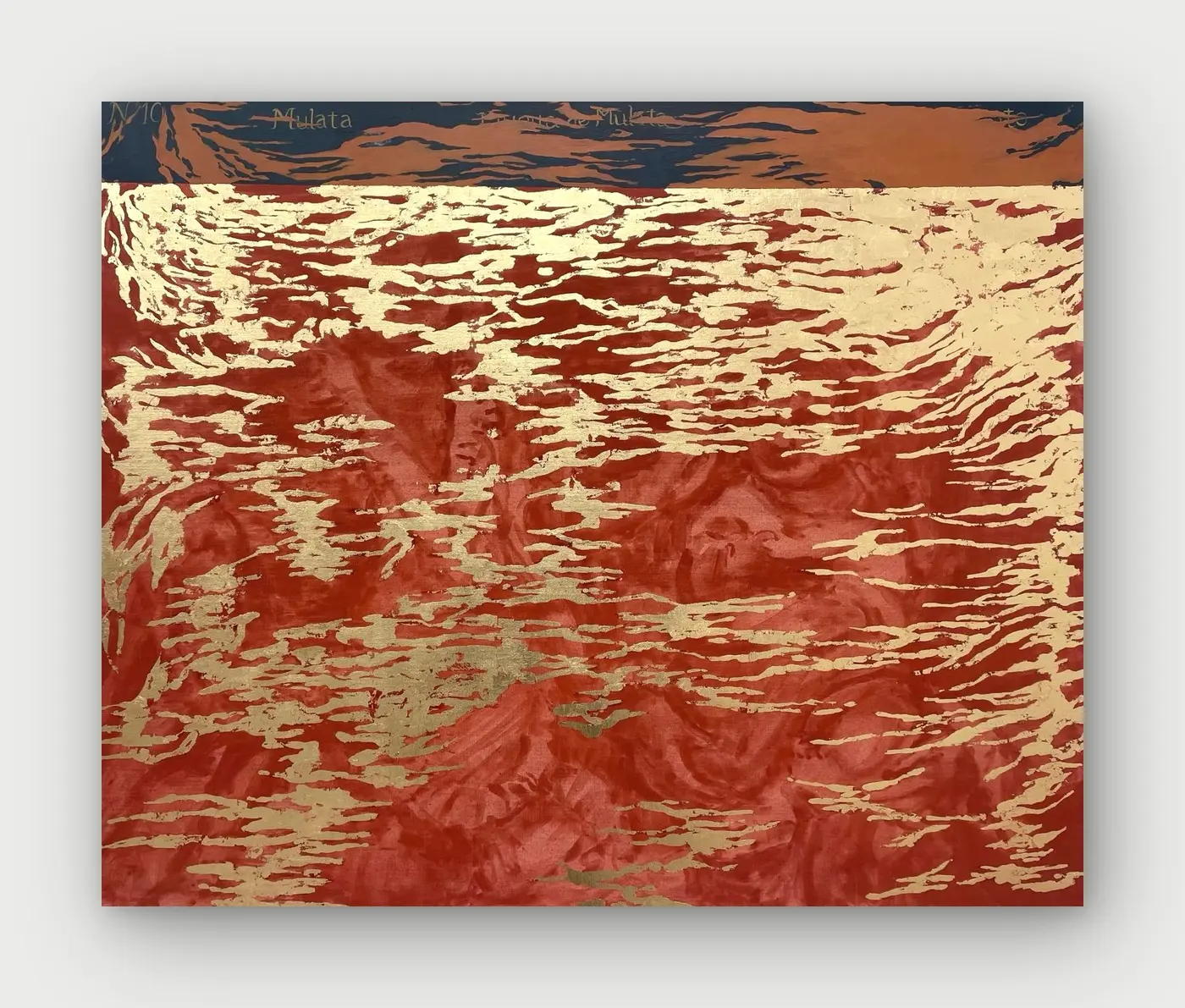
Tiago Sant’Ana
Ver todas as obras do artista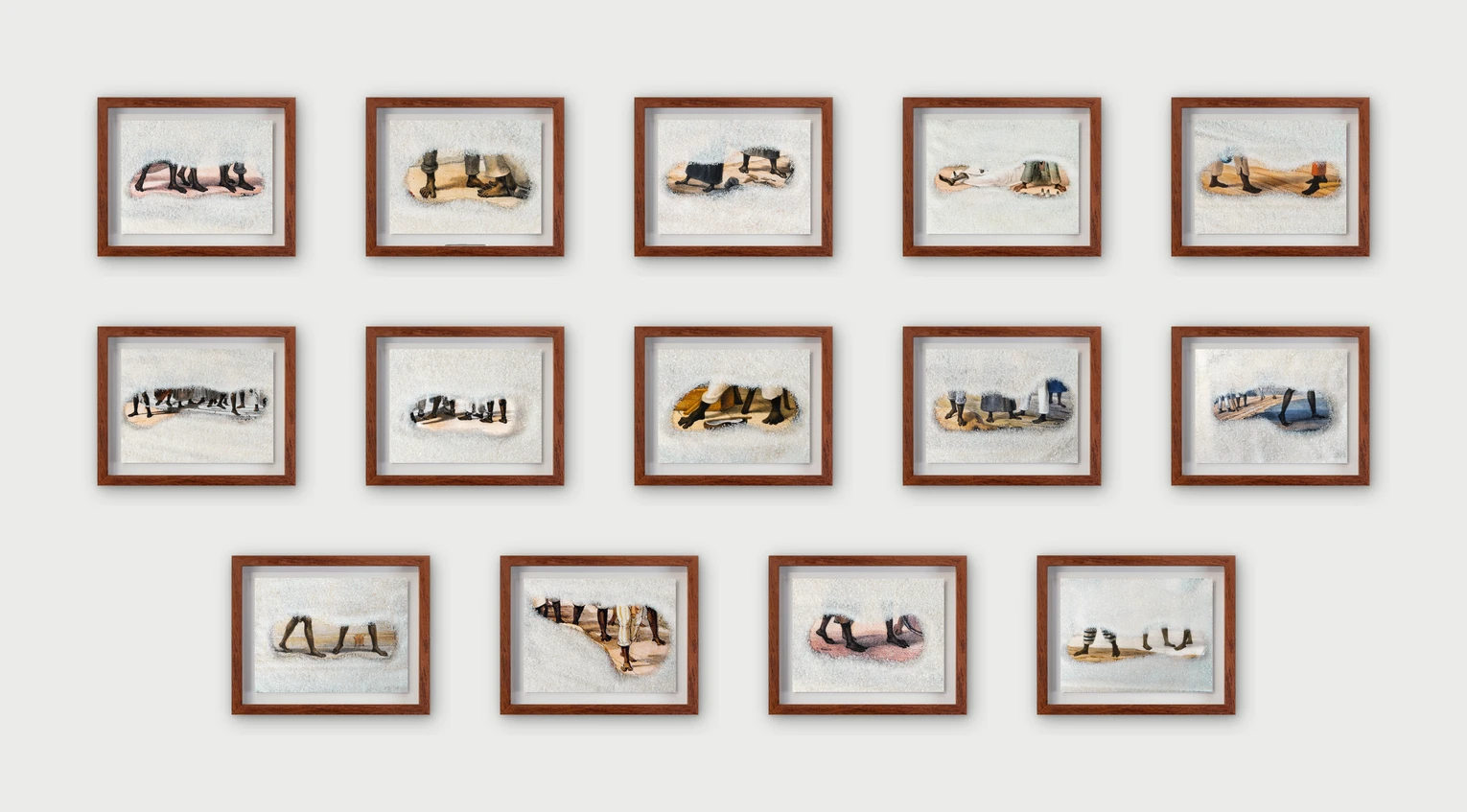
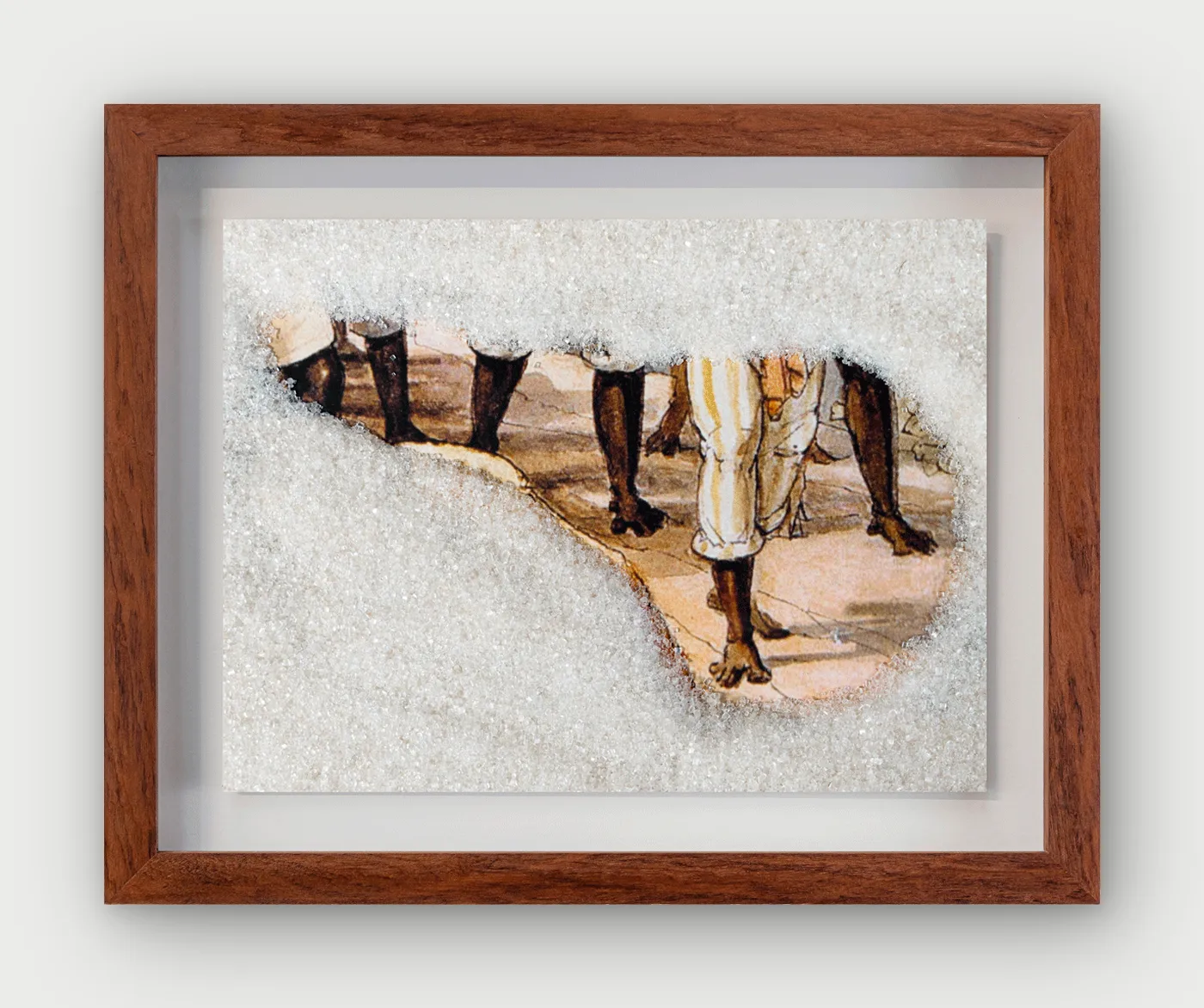
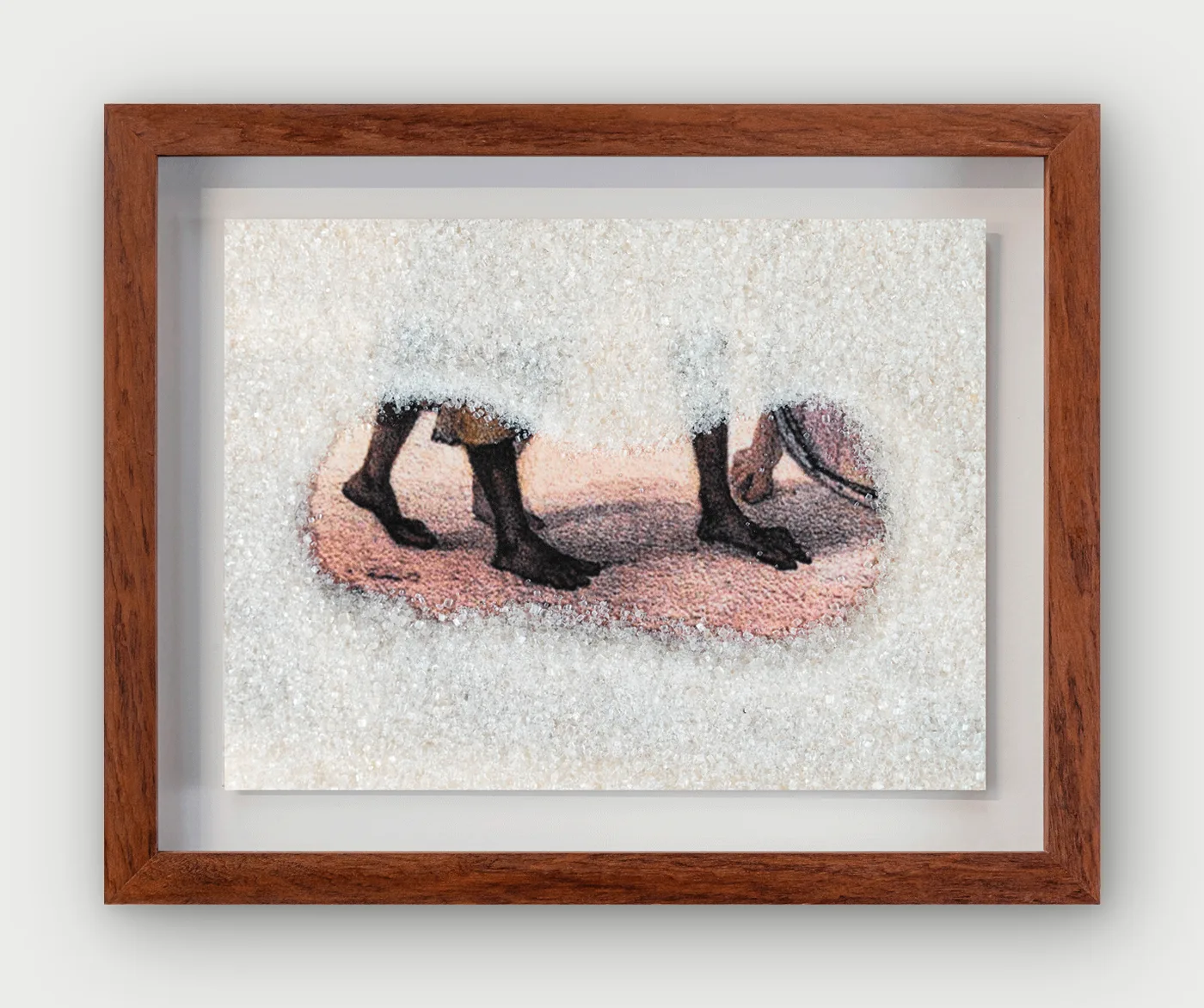
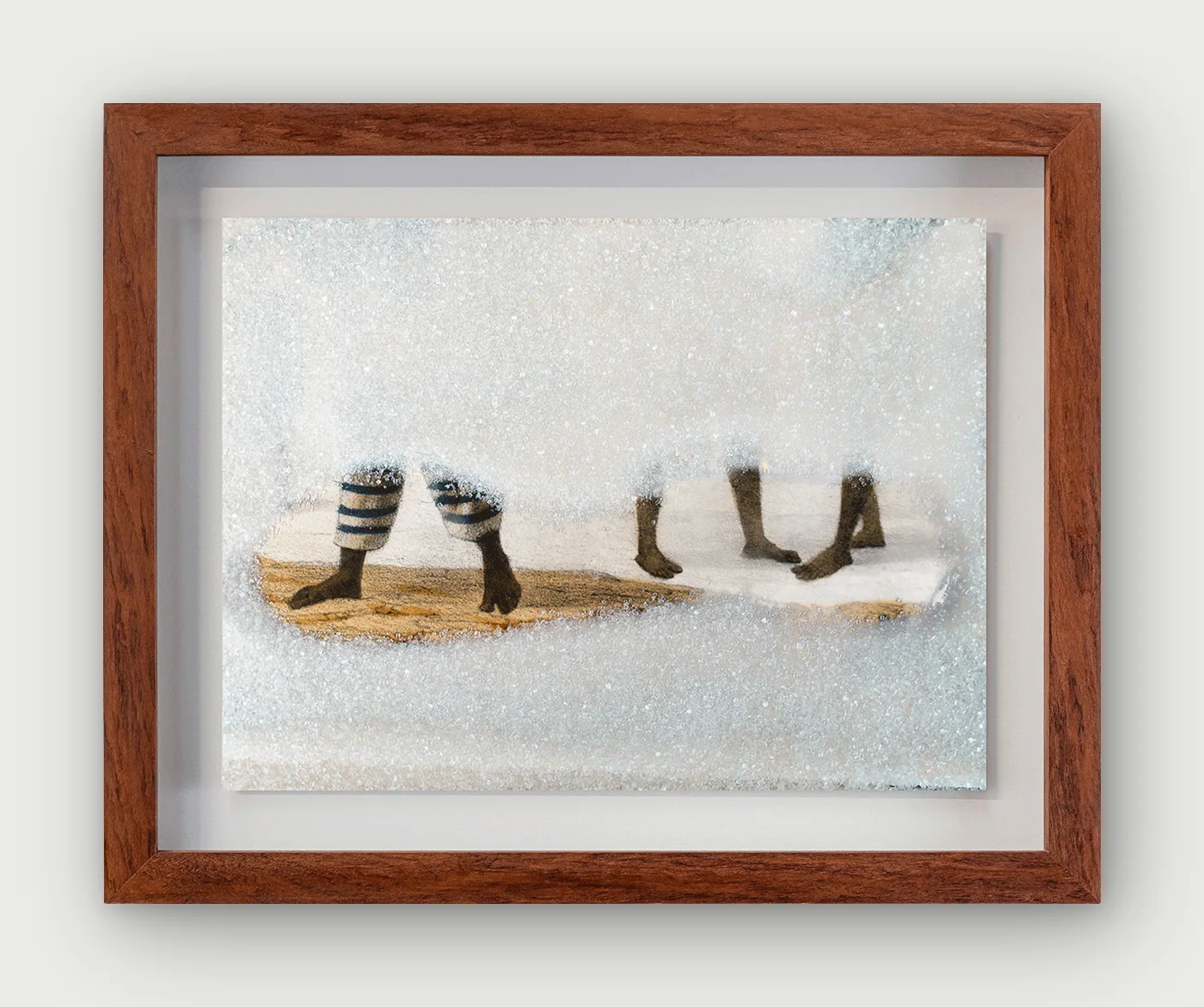
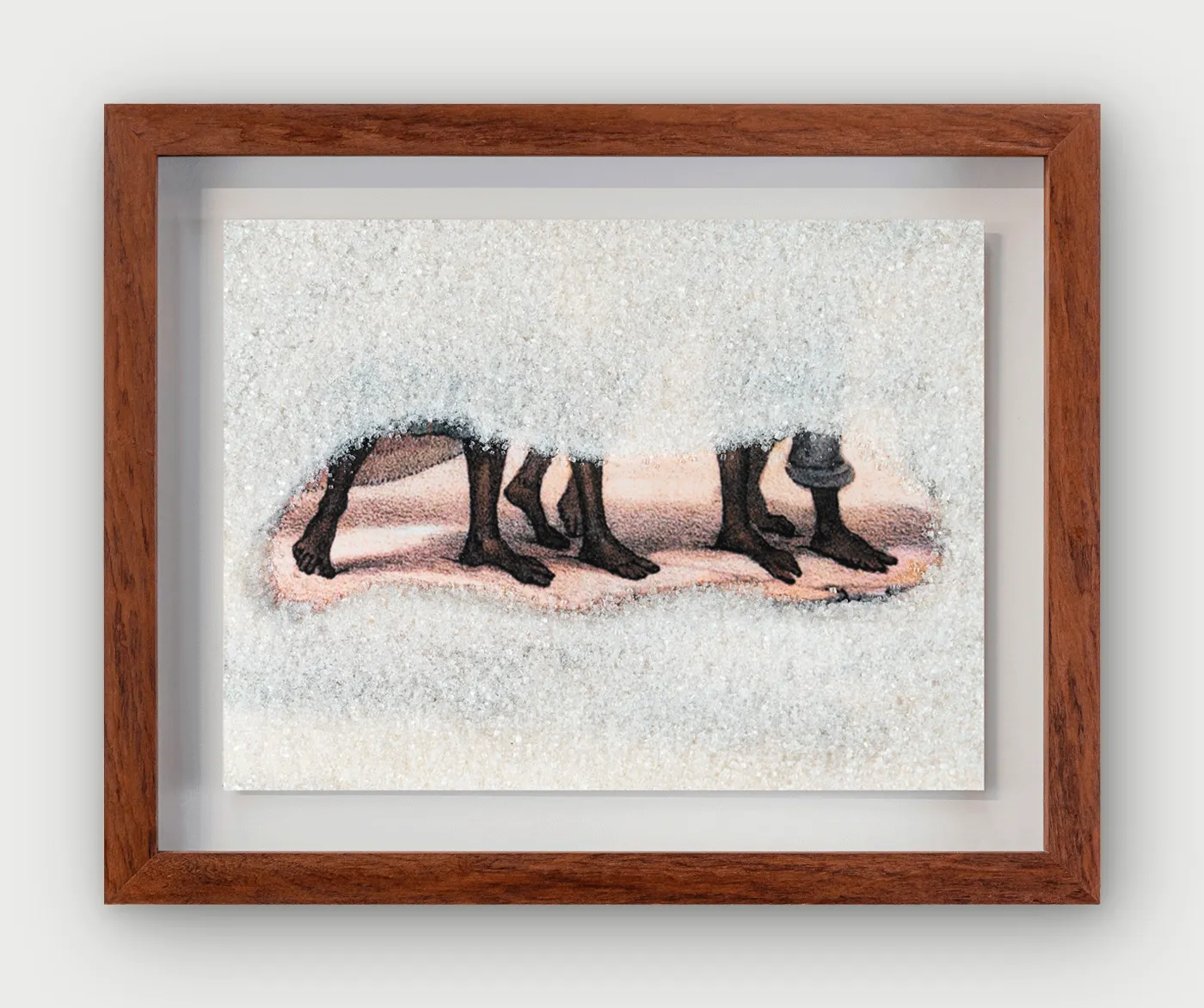
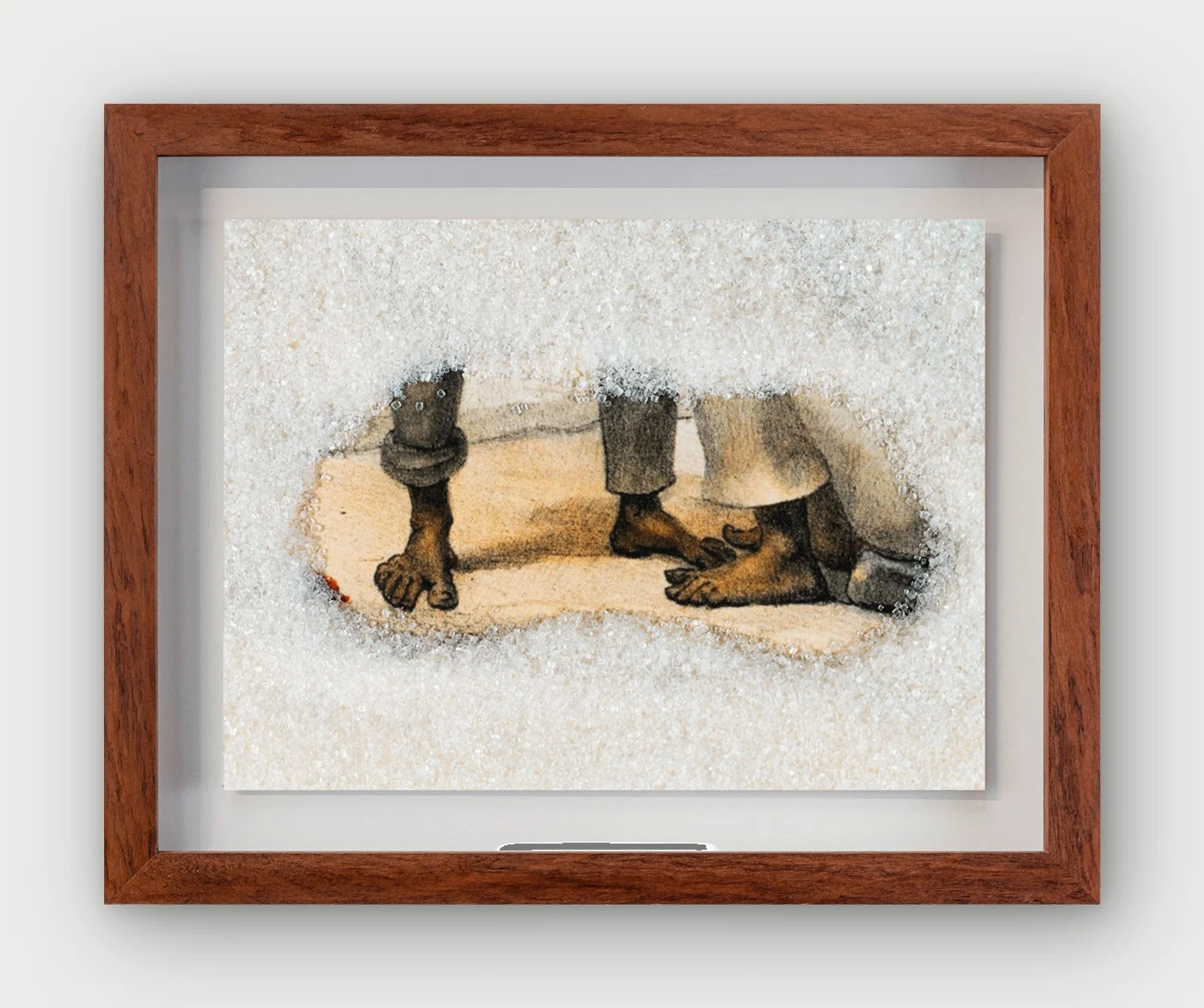
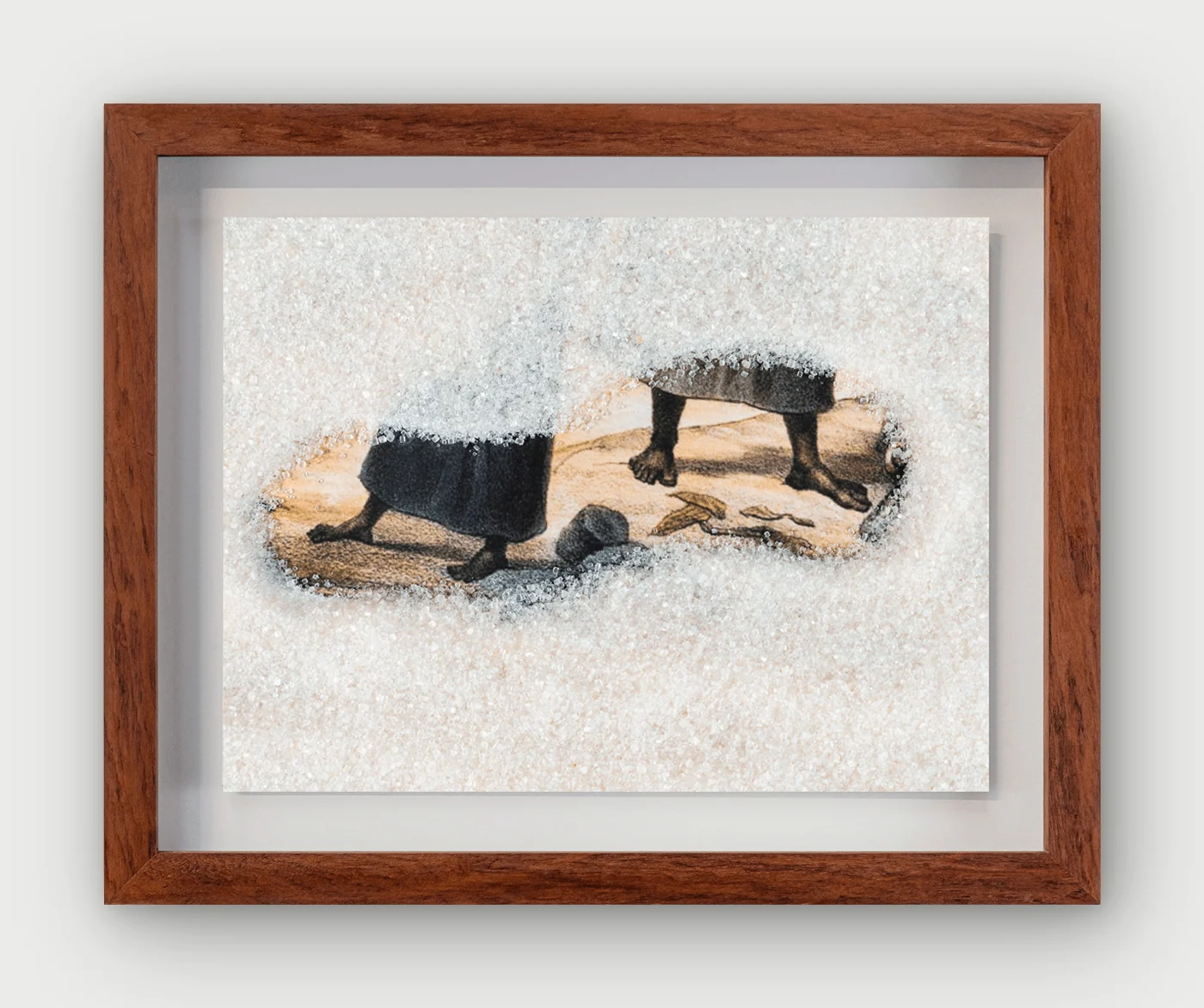
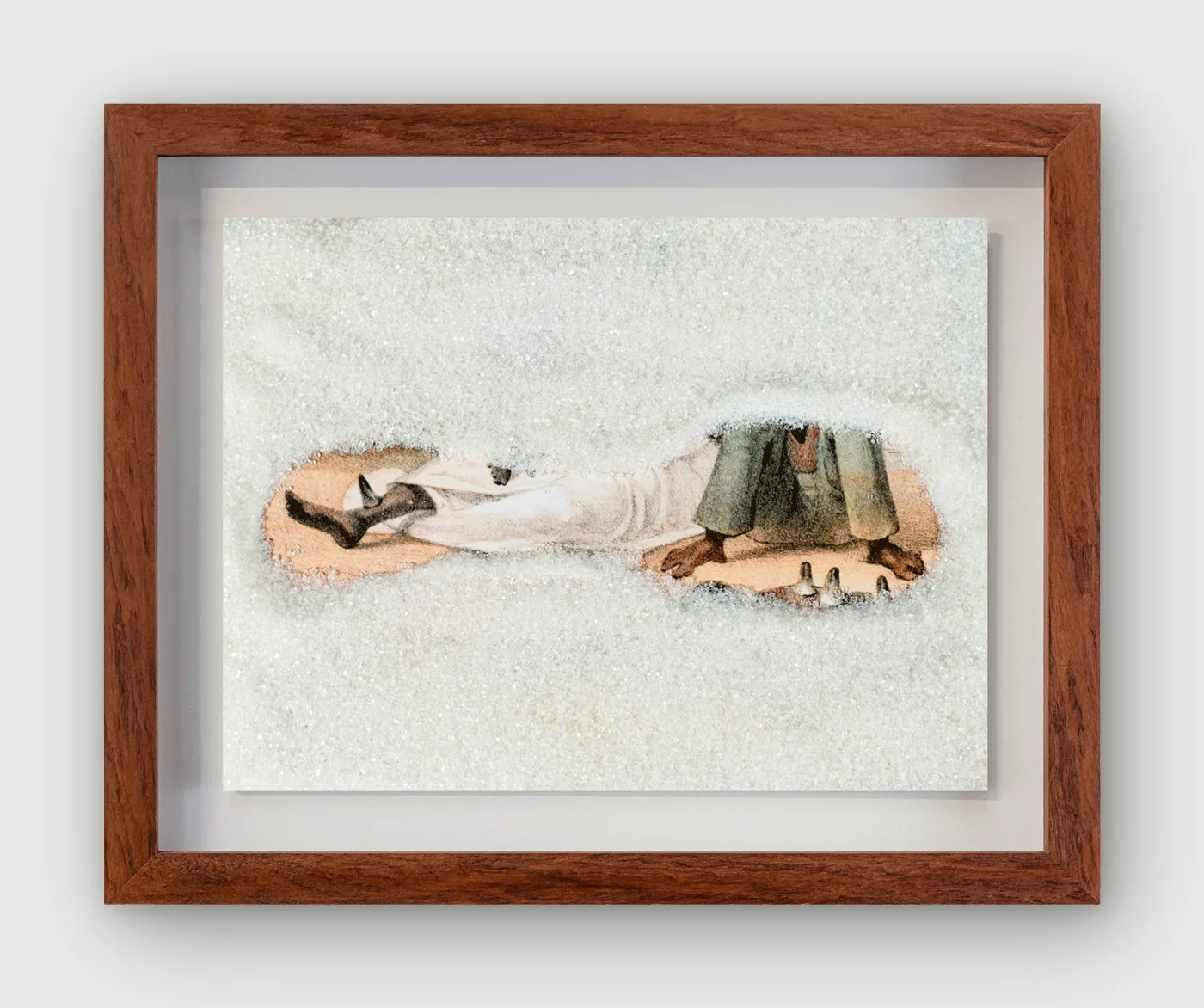
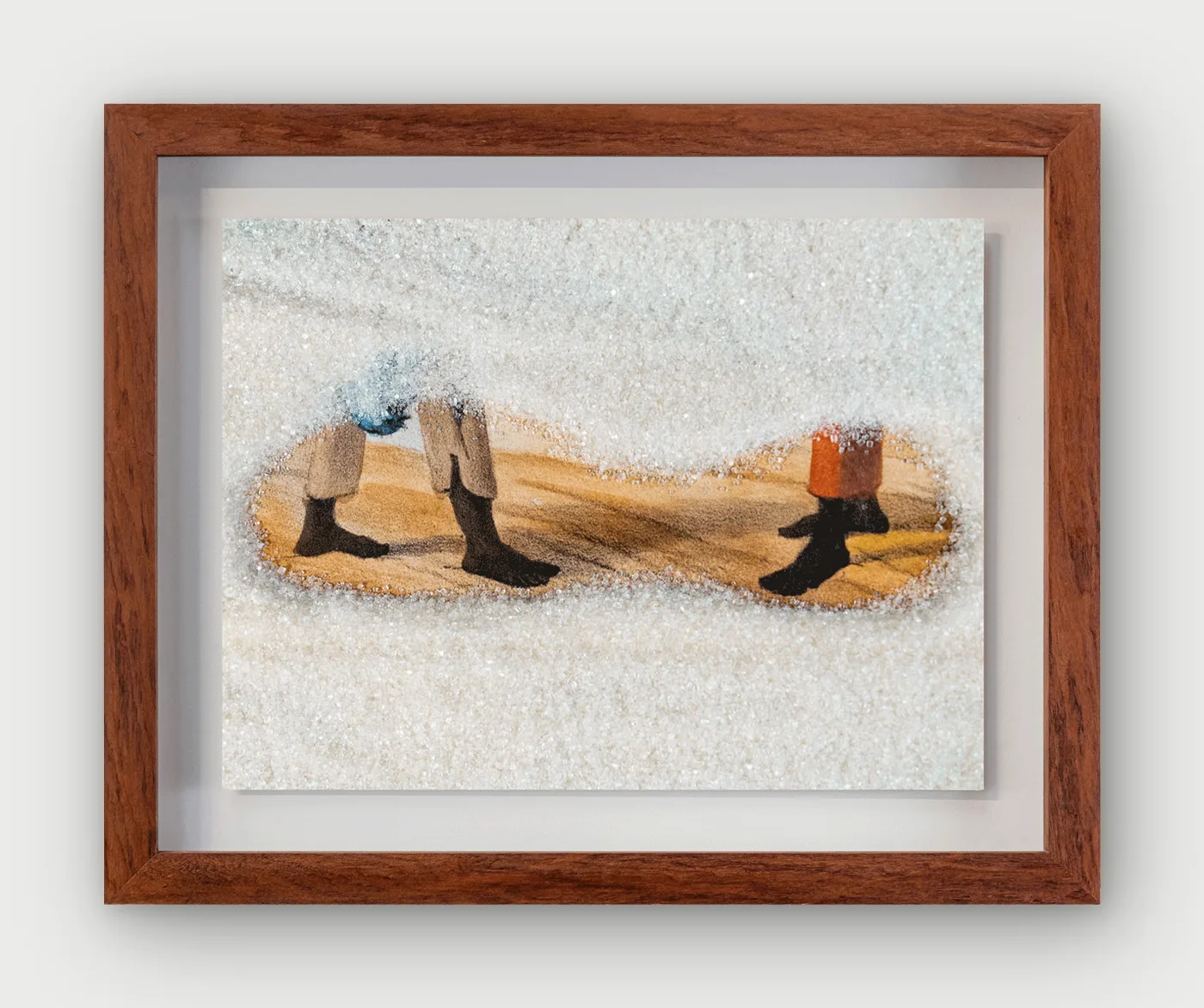
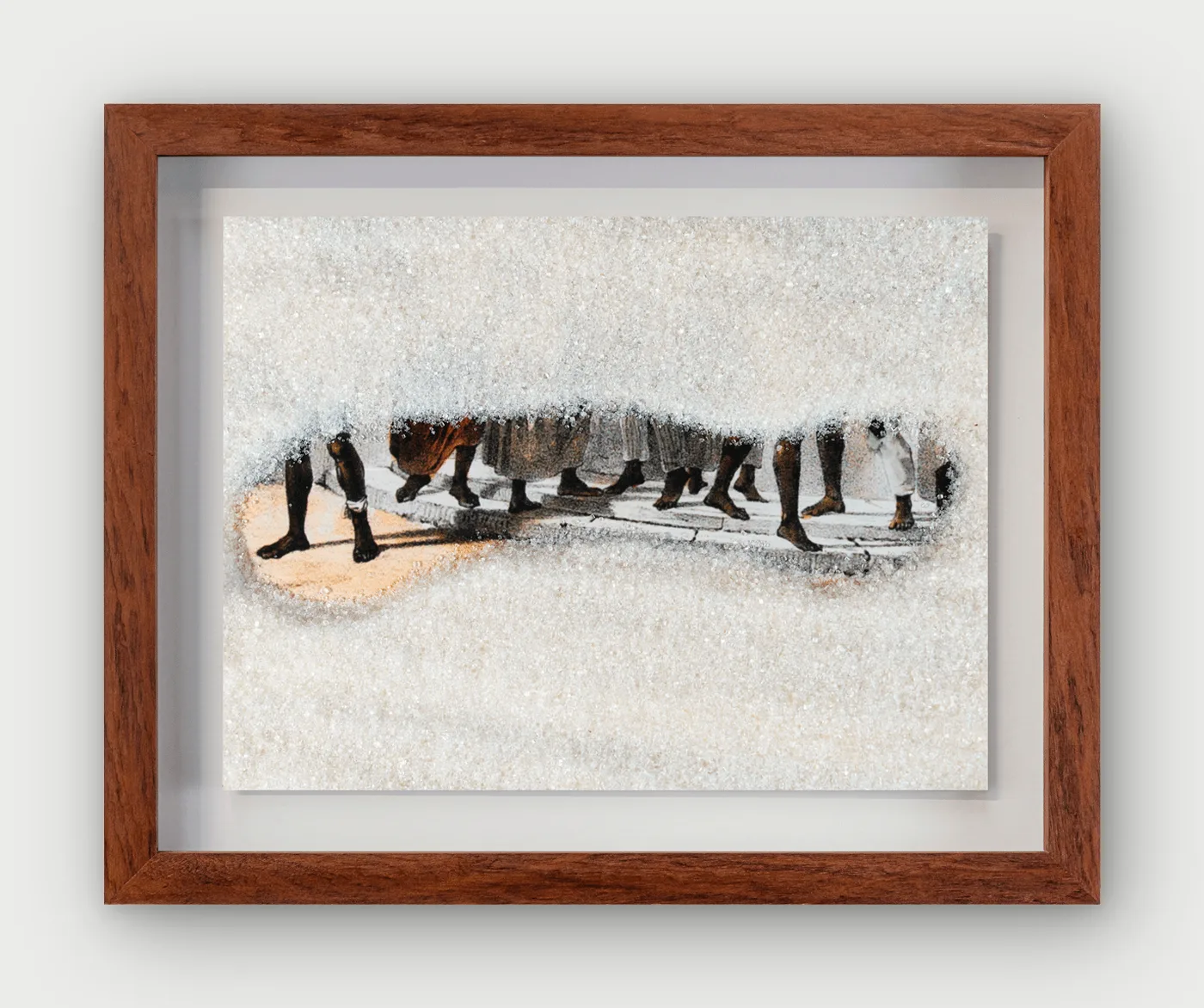
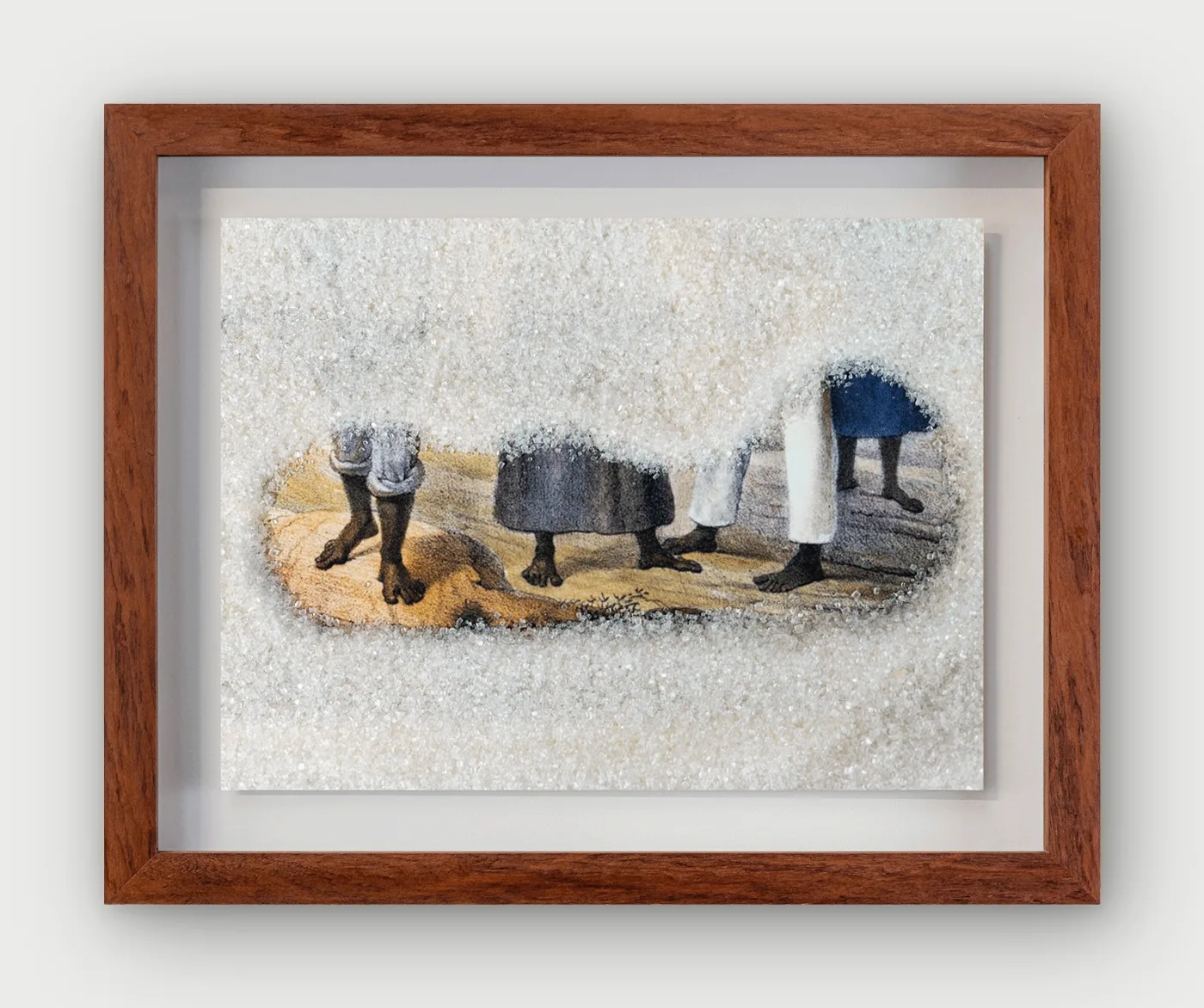
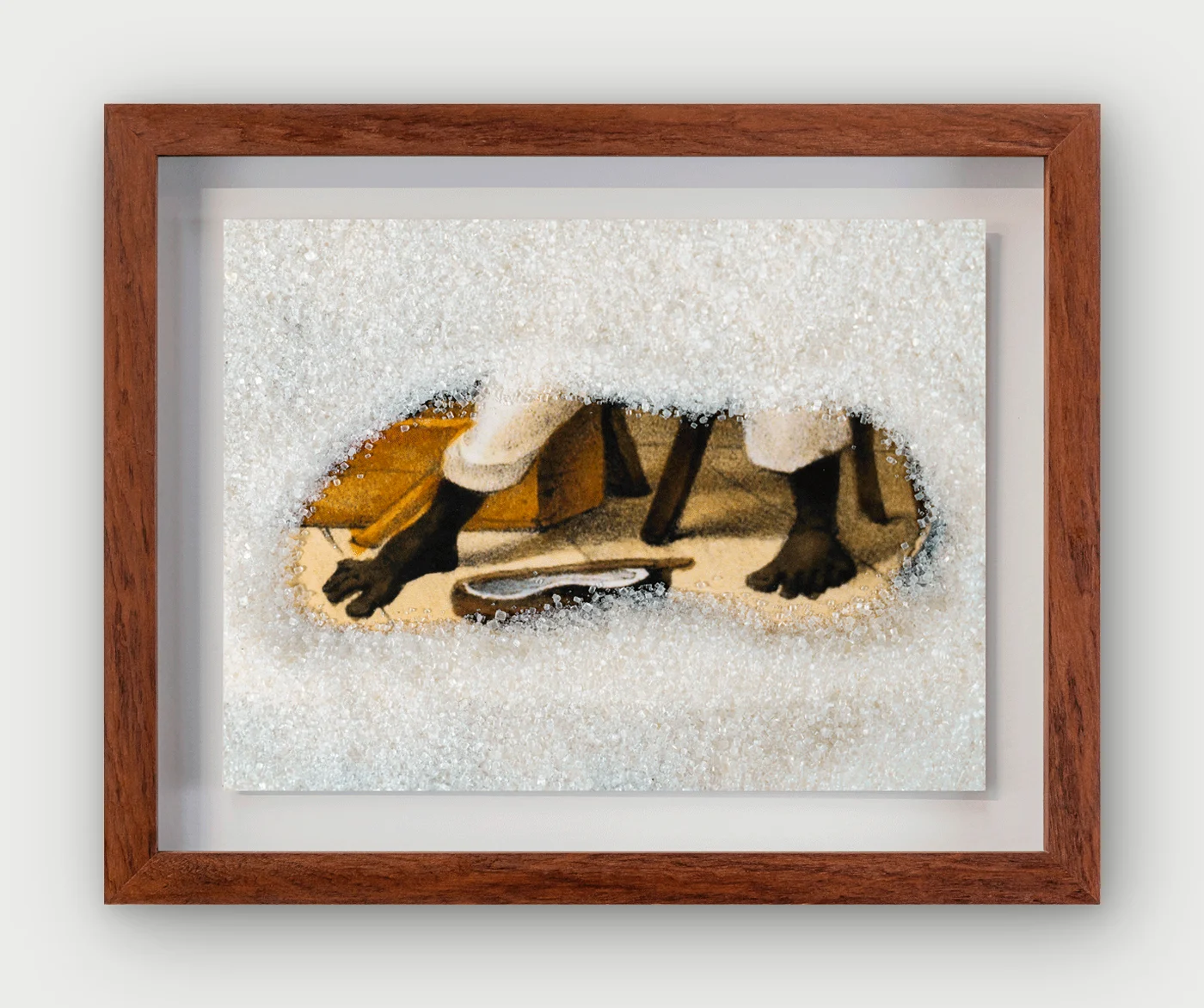
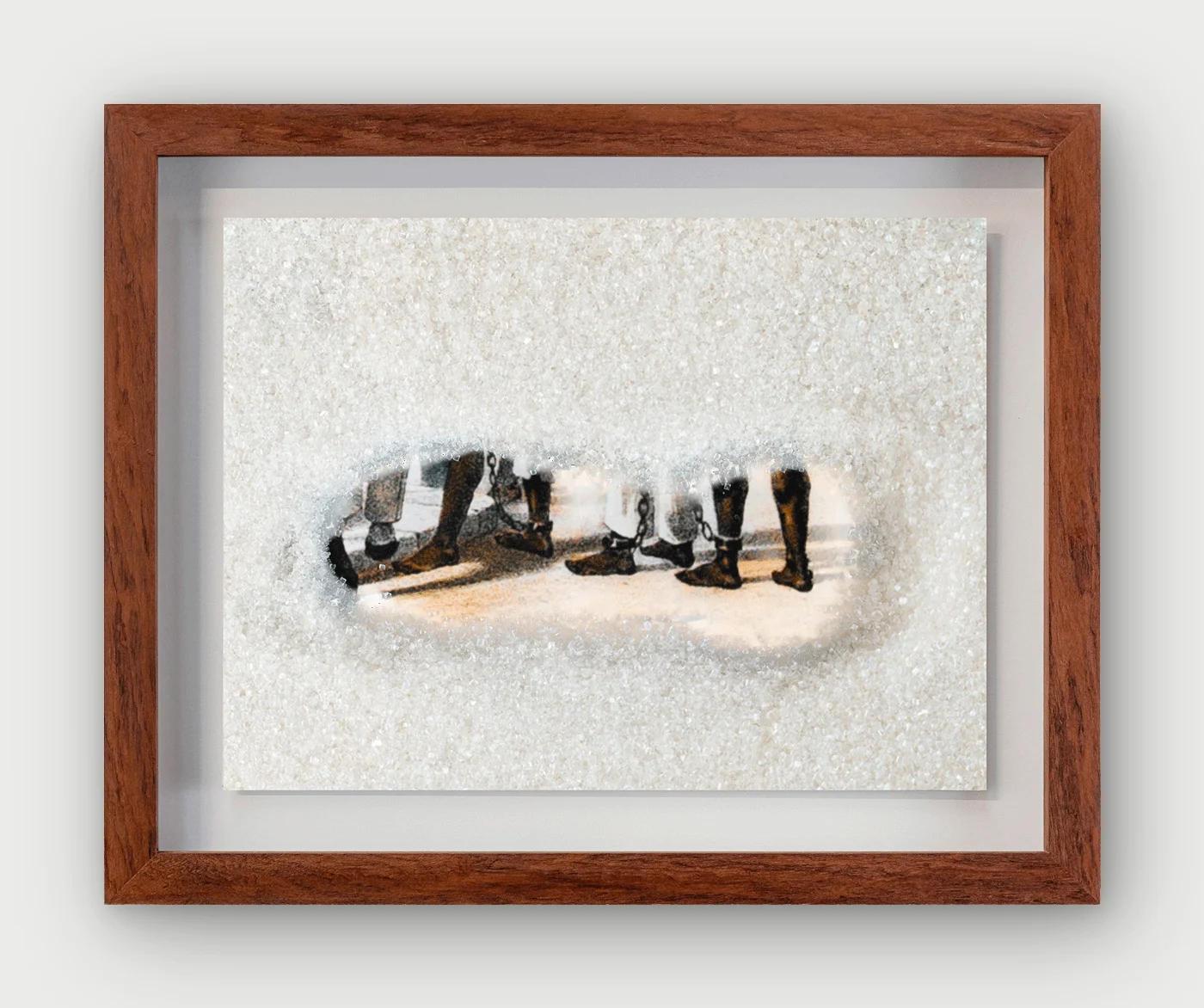
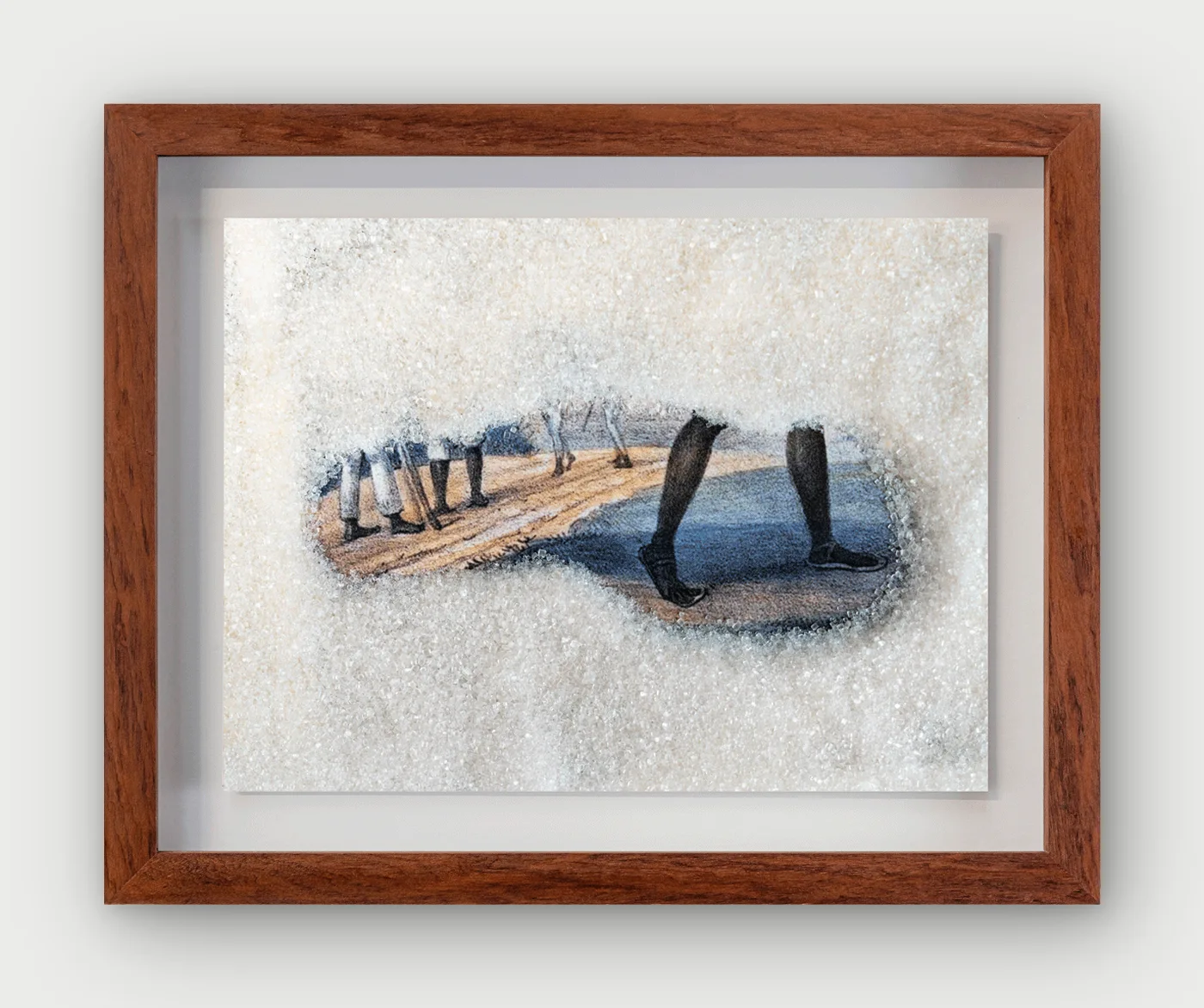
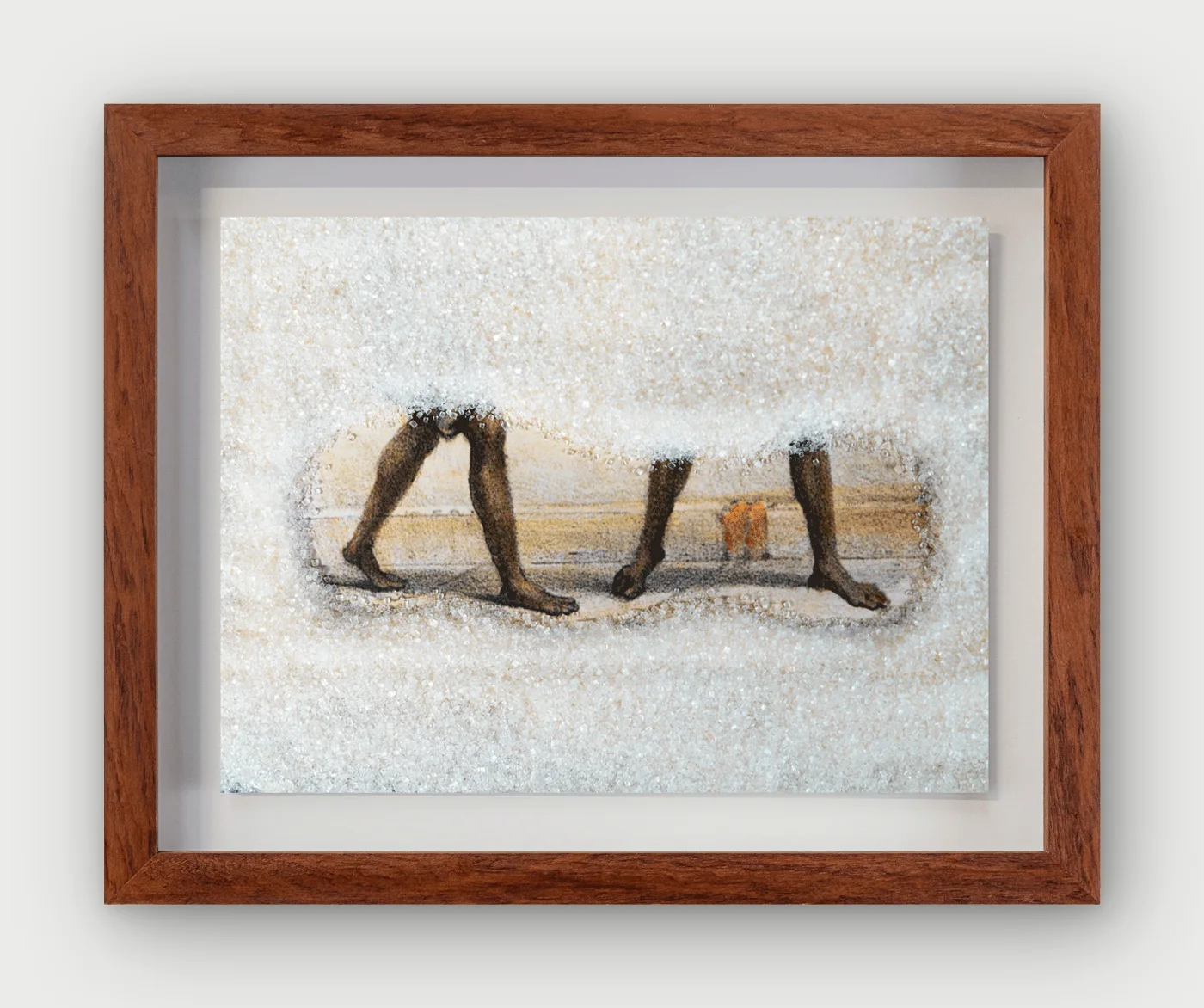
Refino #5 (pés), 2018-2026
Mineral pigment on cotton paper
8,7 x 11,8 in
Edition: 3 + 1 P.A. (1/3)
Refino #5 (pés), 2018-2026
Mineral pigment on cotton paper
8,7 x 11,8 in
Edition: 3 + 1 P.A.(1/3)
Refino #5 (pés), 2018-2026
Mineral pigment on cotton paper
8,7 x 11,8 in
Edition: 3 + 1 P.A. (1/3)
Refino #5 (pés), 2018-2026
Mineral pigment on cotton paper
8,7 x 11,8 in
Edition: 3 + 1 P.A. (1/3)
Refino #5 (pés), 2018-2026
Mineral pigment on cotton paper
8,7 x 11,8 in
Edition: 3 + 1 P.A. (1/3)
Refino #5 (pés), 2018-2026
Mineral pigment on cotton paper
8,7 x 11,8 in
Edition: 3 + 1 P.A. (1/3)
Refino #5 (pés), 2018-2026
Mineral pigment on cotton paper
8,7 x 11,8 in
Edition: 3 + 1 P.A. (1/3)
Refino #5 (pés), 2018-2026
Mineral pigment on cotton paper
8,7 x 11,8 in
Edition: 3 + 1 P.A. (1/3)
Refino #5 (pés), 2018-2026
Mineral pigment on cotton paper
8,7 x 11,8 in
Edition: 3 + 1 P.A. (1/3)
Refino #5 (pés), 2018-2026
Mineral pigment on cotton paper
8,7 x 11,8 in
Edition: 3 + 1 P.A. (1/3)
Refino #5 (pés), 2018-2026
Mineral pigment on cotton paper
8,7 x 11,8 in
Edition: 3 + 1 P.A. (1/3)
Refino #5 (pés), 2018-2026
Mineral pigment on cotton paper
8,7 x 11,8 in
Edition: 3 + 1 P.A. (1/3)
Refino #5 (pés), 2018-2026
Mineral pigment on cotton paper
8,7 x 11,8 in
Edition: 3 + 1 P.A. (1/3)
Refino #5 (pés), 2018-2026
Mineral pigment on cotton paper
8,7 x 11,8 in
Edition: 3 + 1 P.A. (1/3)