VIEWING ROOM
Beto Shwafaty | Controle / Corrosão / Dispersão
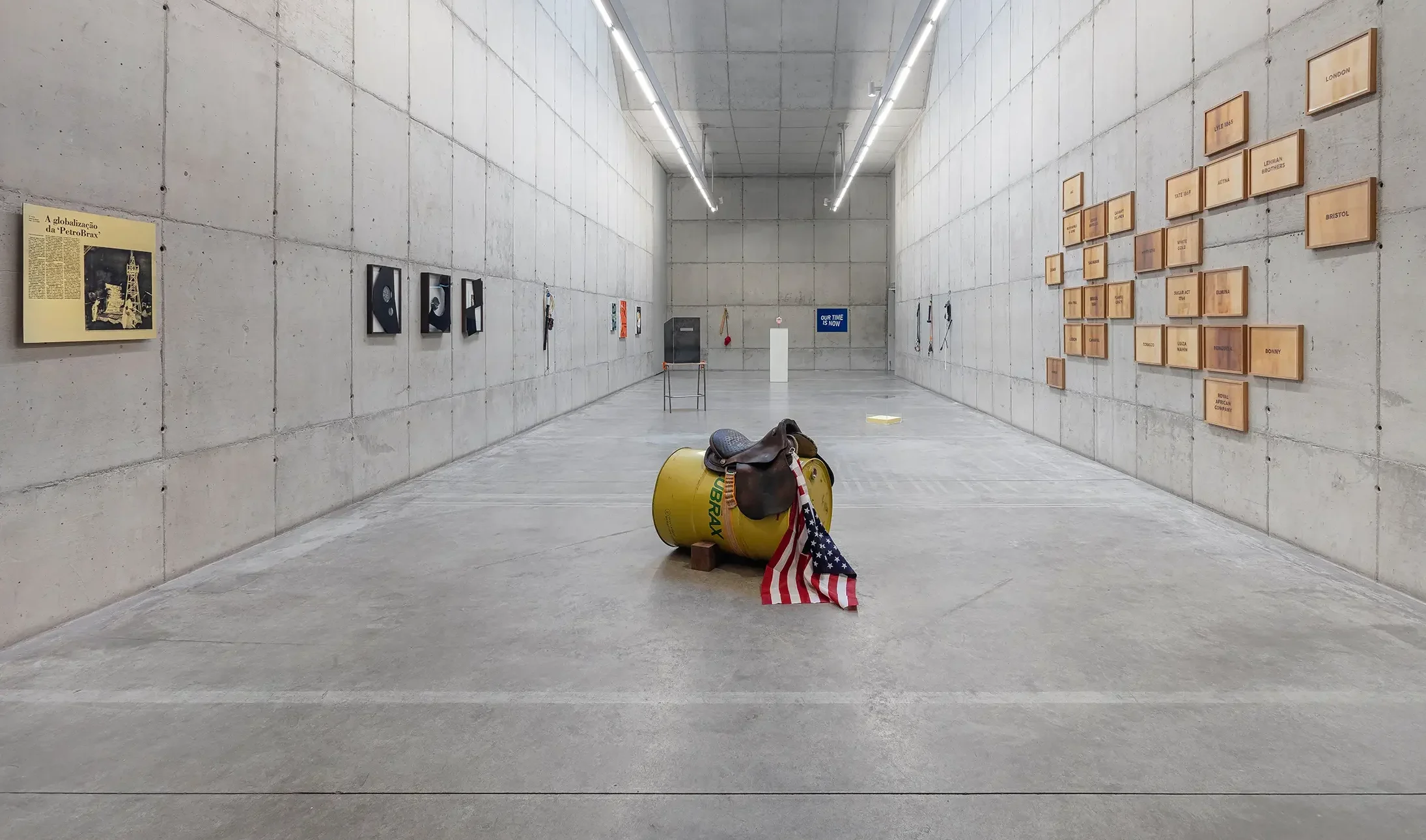
Galeria Leme presents “Control | Corrosion | Dispersion,” a solo exhibition by artist Beto Shwafaty bringing together some fifteen works that reflect on contemporary society through objects, their materialities, and the meanings they carry. In his practice, Shwafaty addresses how historical, economic, and social processes become inscribed in everyday items, turning them into interfaces that simultaneously conceal and reveal these tensions.
The exhibition’s title does not seek to categorize the works or divide them into sections, but rather to point to procedures that recur across a range of social contexts around the world. “I try to make these operations perceptible without illustrating them, allowing the objects themselves to bring out the historical, economic, and political relations from which they emerge and from which they are inseparable,” he explains. “The interest lies less in narrating a story than in constructing a field of relations, an atmosphere of meanings.” For the artist, “control” refers to the mechanisms that administer bodies, territories, and resources; “corrosion” points to the continuous wearing away of the social and material forms produced by those mechanisms. “Dispersion,” in turn, stands for the uneven distribution of the effects of these processes and for the difficulty of attributing such conflicts to any single event or agent.
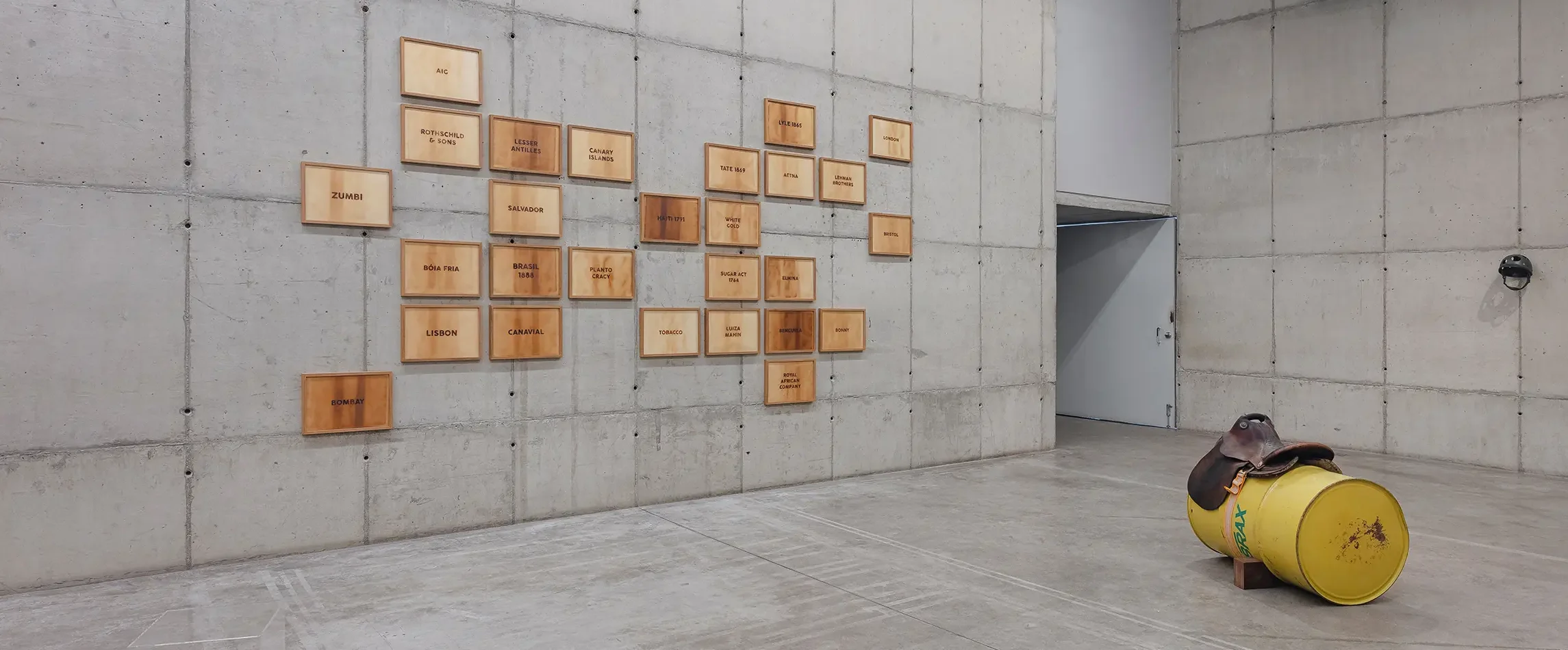
In “Control | Corrosion | Dispersion,” objects are of interest not only for the meaning or symbolism they project, but also for the material conditions of their existence. To this end, the artist works with different languages and materials — such as tracing paper with sugar, tea, and burnt coffee in Açúcar nas veias [Sugar in the Veins] (2017), or the previously unseen O sonho da terra, é o sonho americano [The Dream of the Land Is the American Dream], which brings together items including a baseball bat, a crowbar, handcuffs, and a red cap.
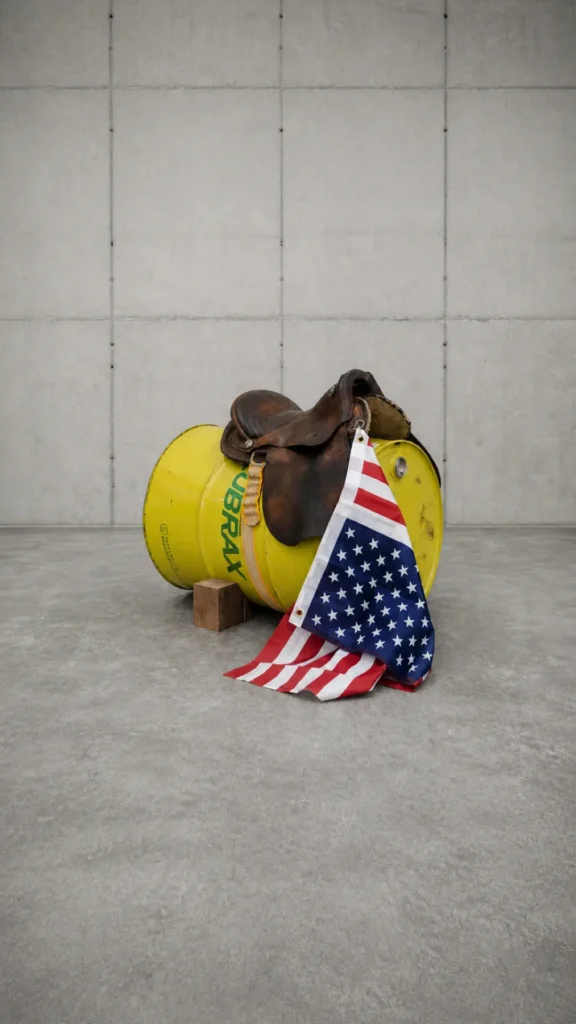
Beyond their conceptual dimension, the works are built from the physical and material qualities that the chosen objects are able to communicate, moving away from strategies of representation in favor of the manifestation of material relations. Such is the case of Dark Horse [Black Rider], in which a Lubrax oil drum, a riding saddle, a US flag, and rough wooden wedges form a structure whose apparent solidity conceals an unstable condition of permanent tension.
Some works engage the present moment explicitly, as in Choque [Shock] (2019), whose form evokes at once a ballot box, a ballistic shield, and the observation windows used in armored vehicles. “In my work, I seek to subvert the expectation that art should be transparent, domesticated, or disinterested, or that it should serve a single purpose,” the artist states. “I believe that making art is an operation that demands both individual and collective effort in order to propose something uncertain and slippery.” Shwafaty presents works that speak openly to contemporary contexts — pointing to structural conditions, not merely circumstantial ones.
Each work has its own entry, contextualizing it and indicating part of the process and the ideas involved in its conception, without being confined to a single reading. “I’m not concerned with there being one single interpretation of the works or of the exhibition, nor with the message being immediately grasped,” he says. “What interests me is that the interval between work and viewer remains active, that it produces reflection and, perhaps, some kind of emotion.”
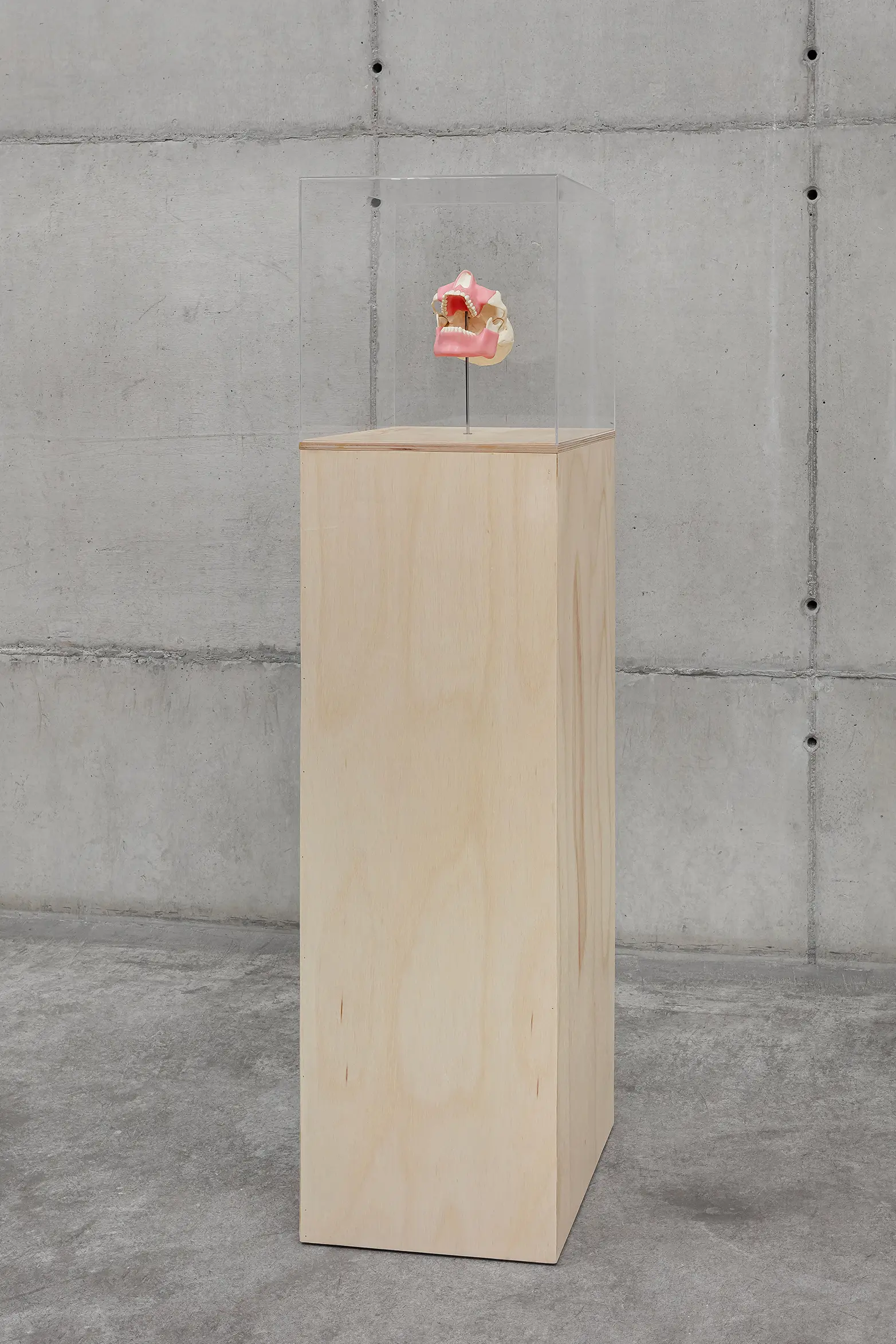
O grito, 2026
Beto Shwafaty
47,2 x 15,7 x 15,7 in
Ed.1 / 3 + 1 PA
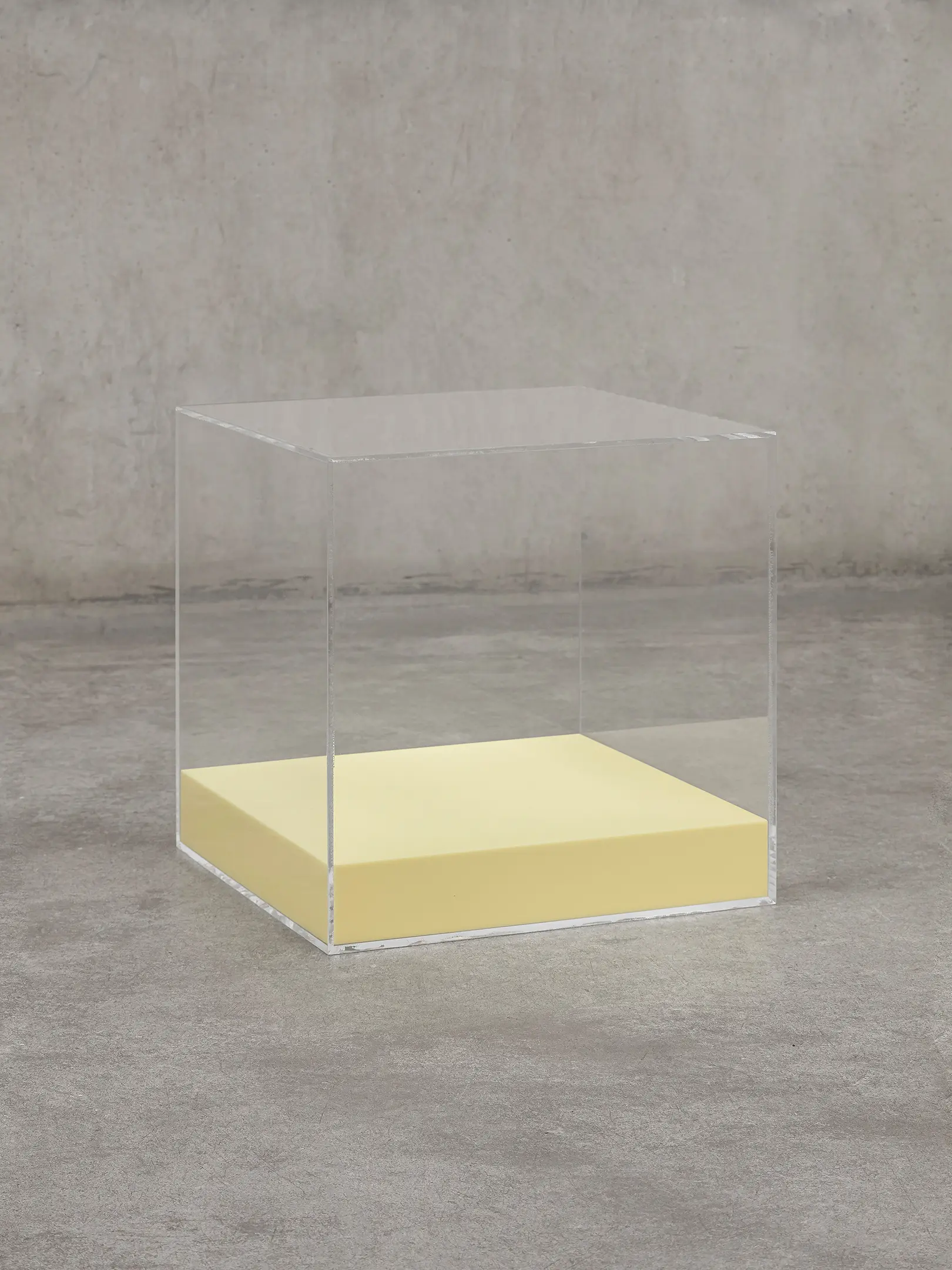
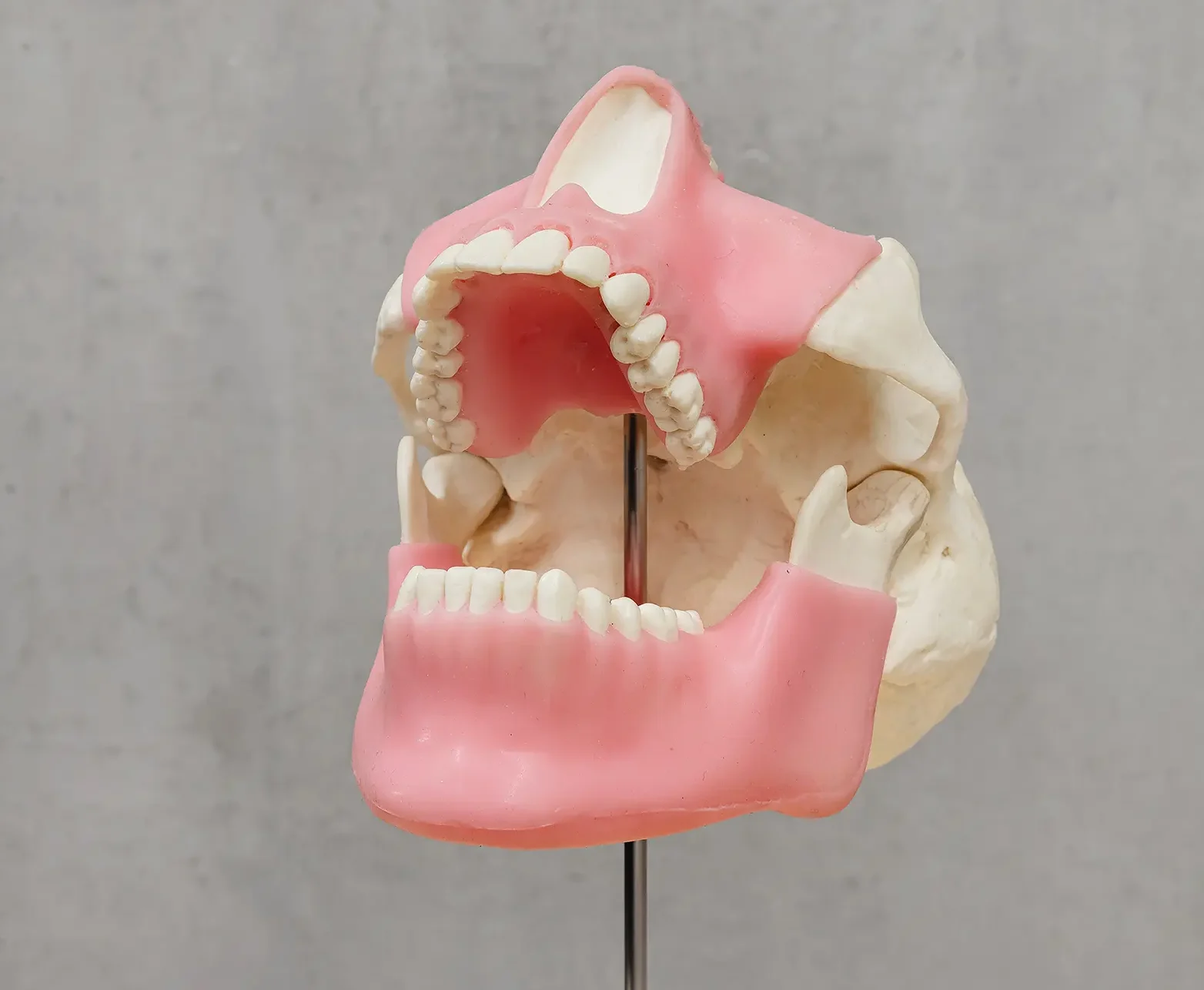
Volumes (1) – Corpo/Agrotóxico per capita, 2026
Beto Shwafaty
13,4 x 13,4 x 13,4 in
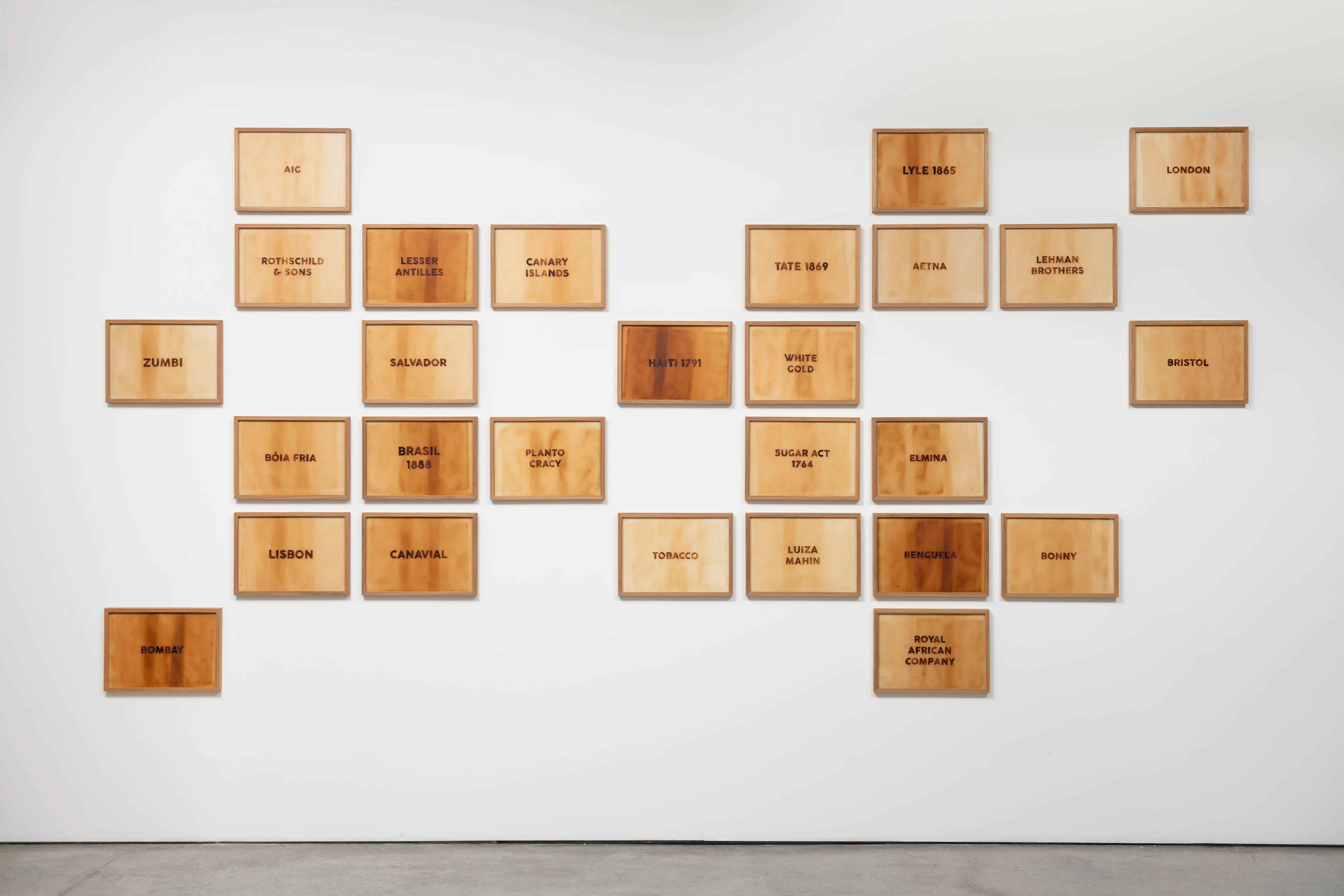
Açúcar nas veias (Sugar Blues) III, 2017
Beto Shwafaty
11,4 x 16,1 [each] 1 polyptych of 27
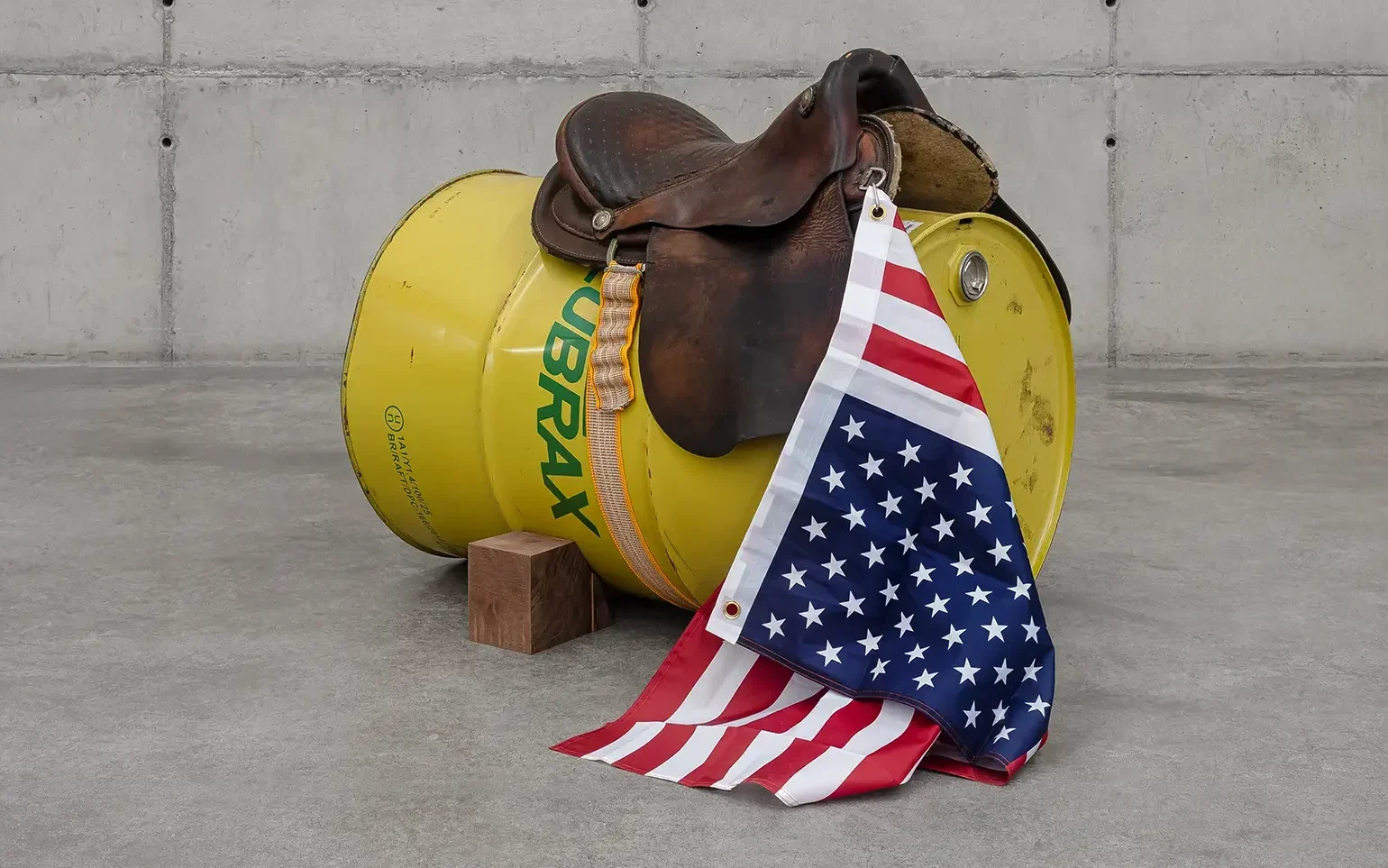
Dark Horse, Black Rider, 2026
Beto Shwafaty
32,3 x 23,6 x 47,2 in aprox
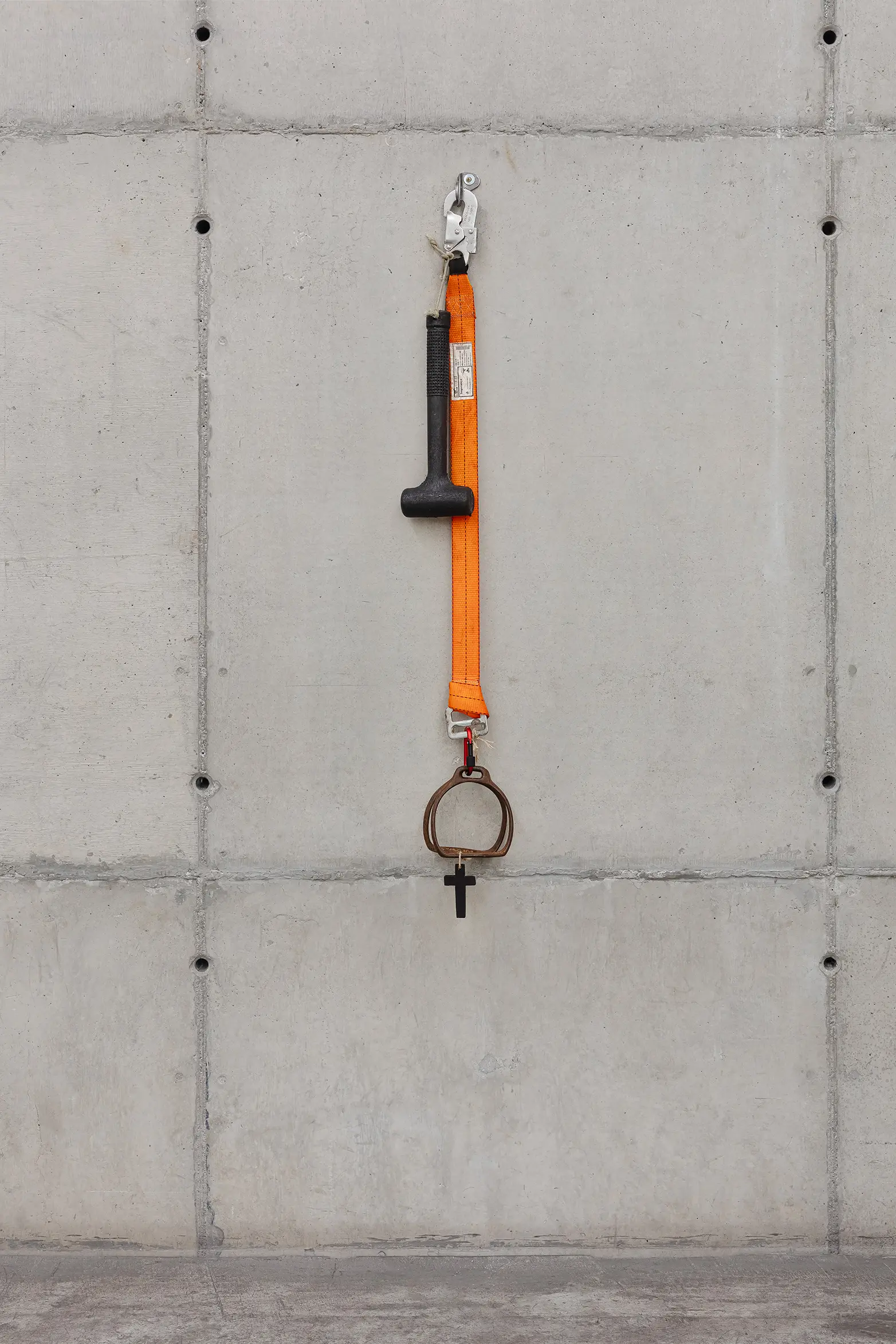
Pow, Pow, Pah! Amém, 2026
Beto Shwafaty
47,2 x 5,5 x 3,5 in
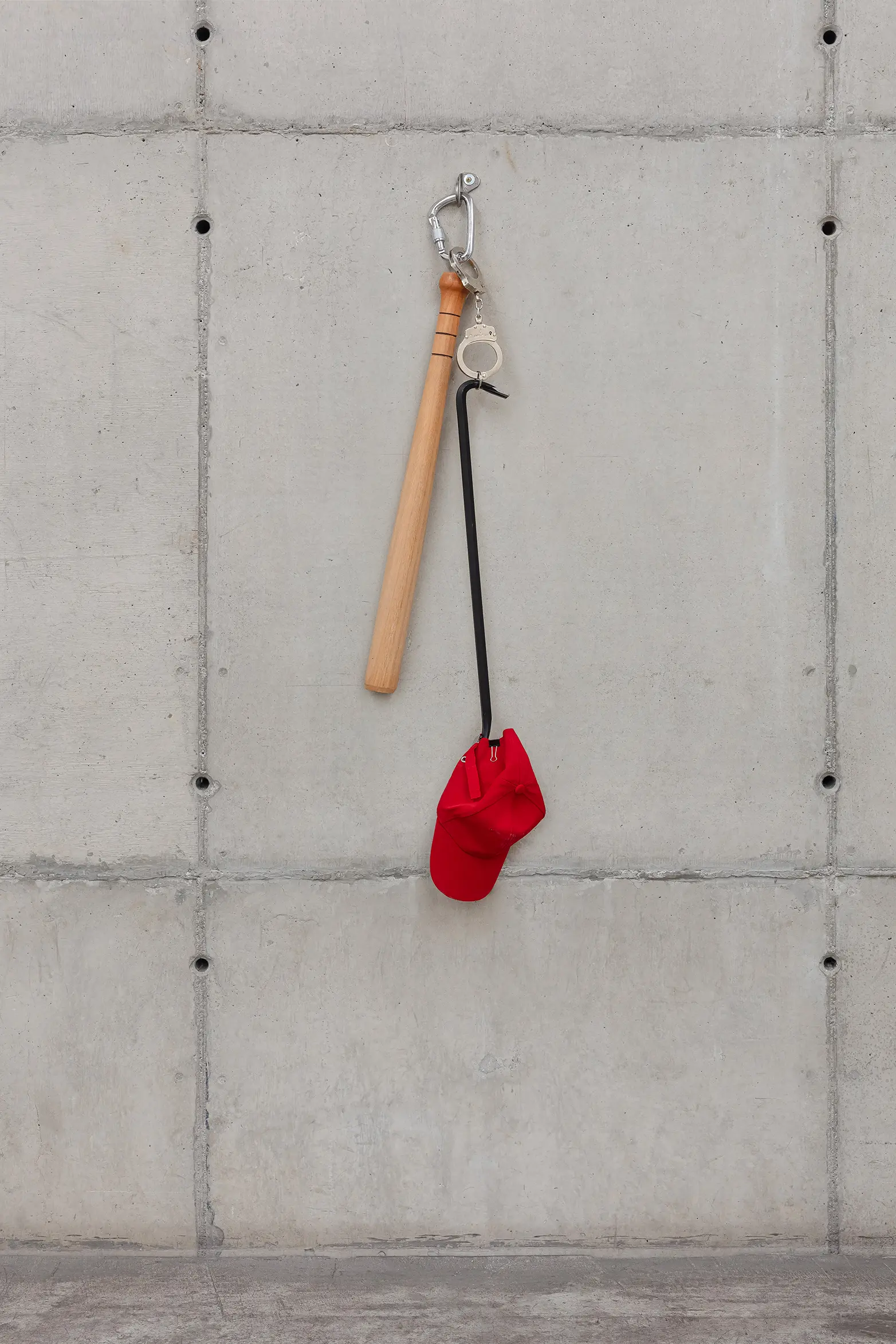
O sonho da terra, é o sonho americano, 2026
Beto Shwafaty
45,3 x 8,3 x 5,5 in
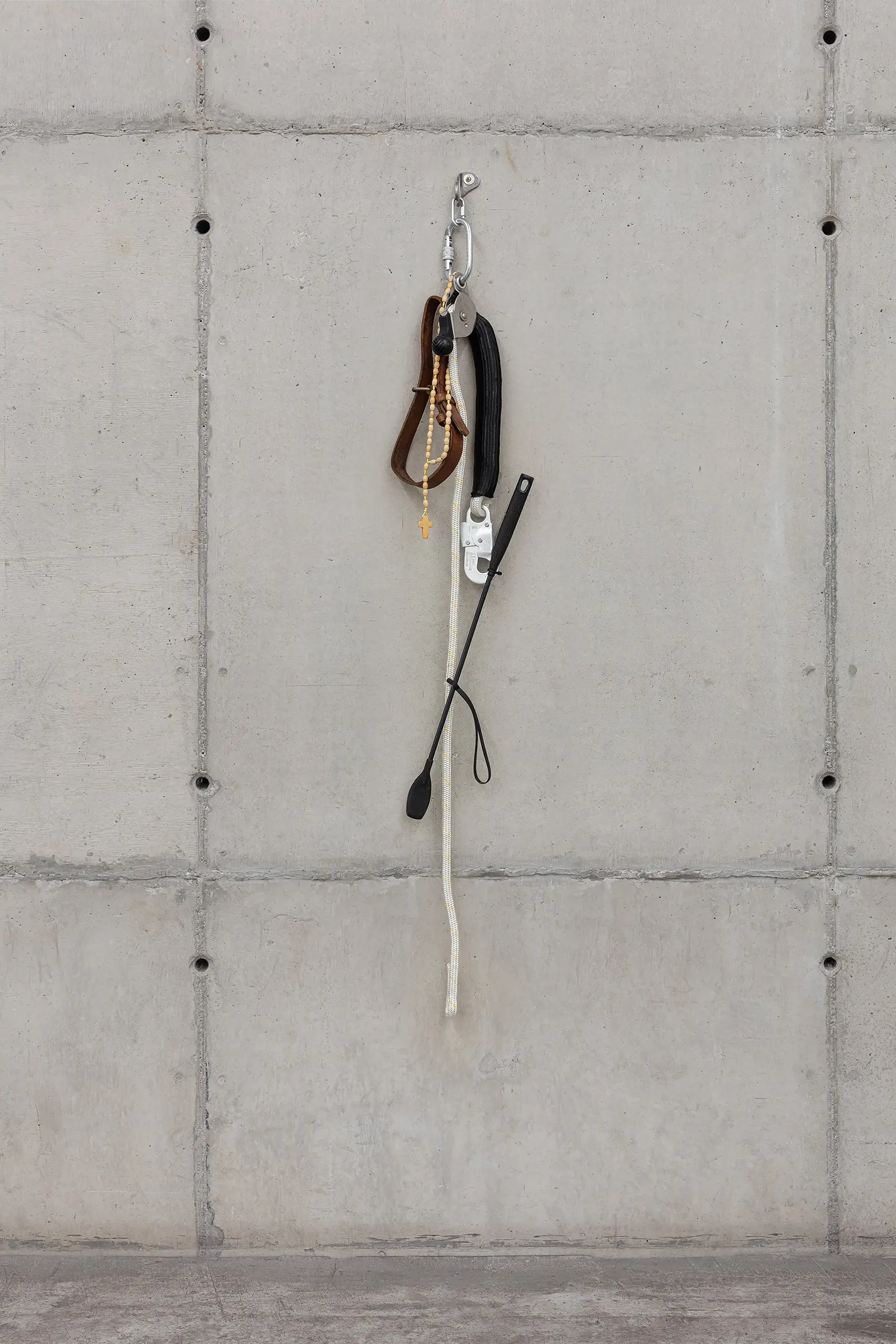
Doutrinar, Produzir, Domar, 2026
Beto Shwafaty
53,1 x 9,1 x 4,3 in
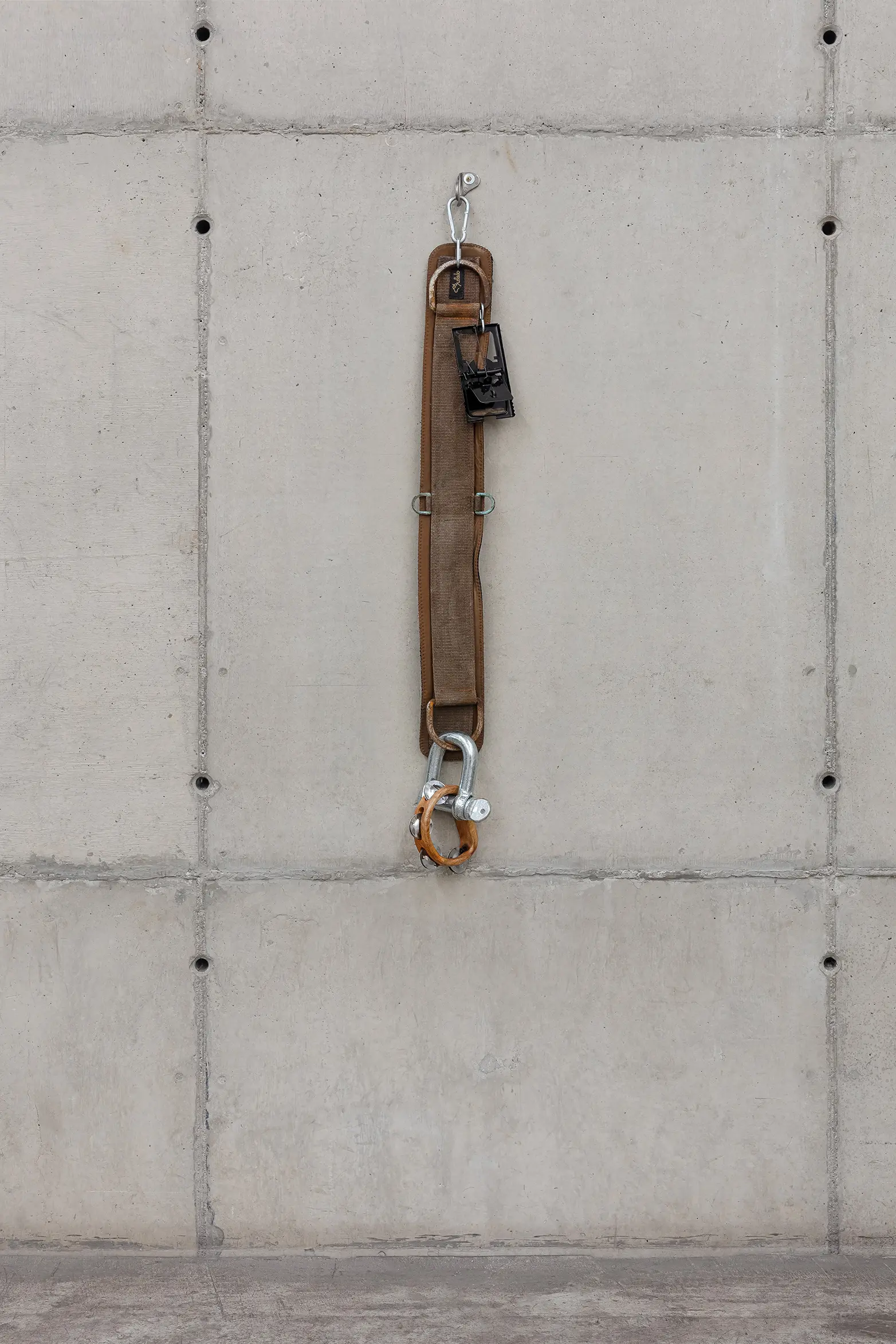
Não deixe morrer (samba), 2026
Beto Shwafaty
45,3 x 6,7 x 5,5 in
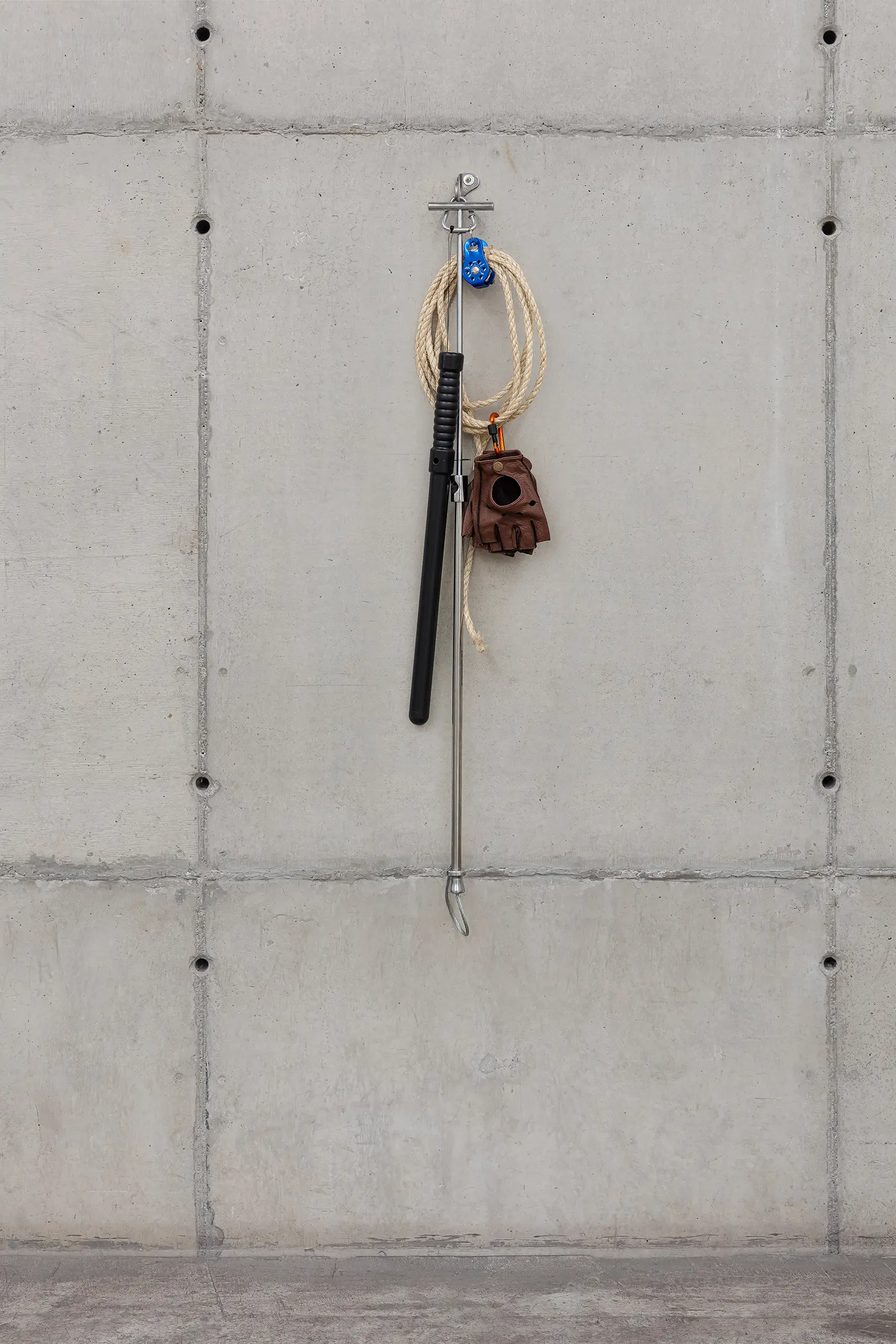
Alpinista (social), 2026
Beto Shwafaty
49,2 x 9,4 x 3,9 in
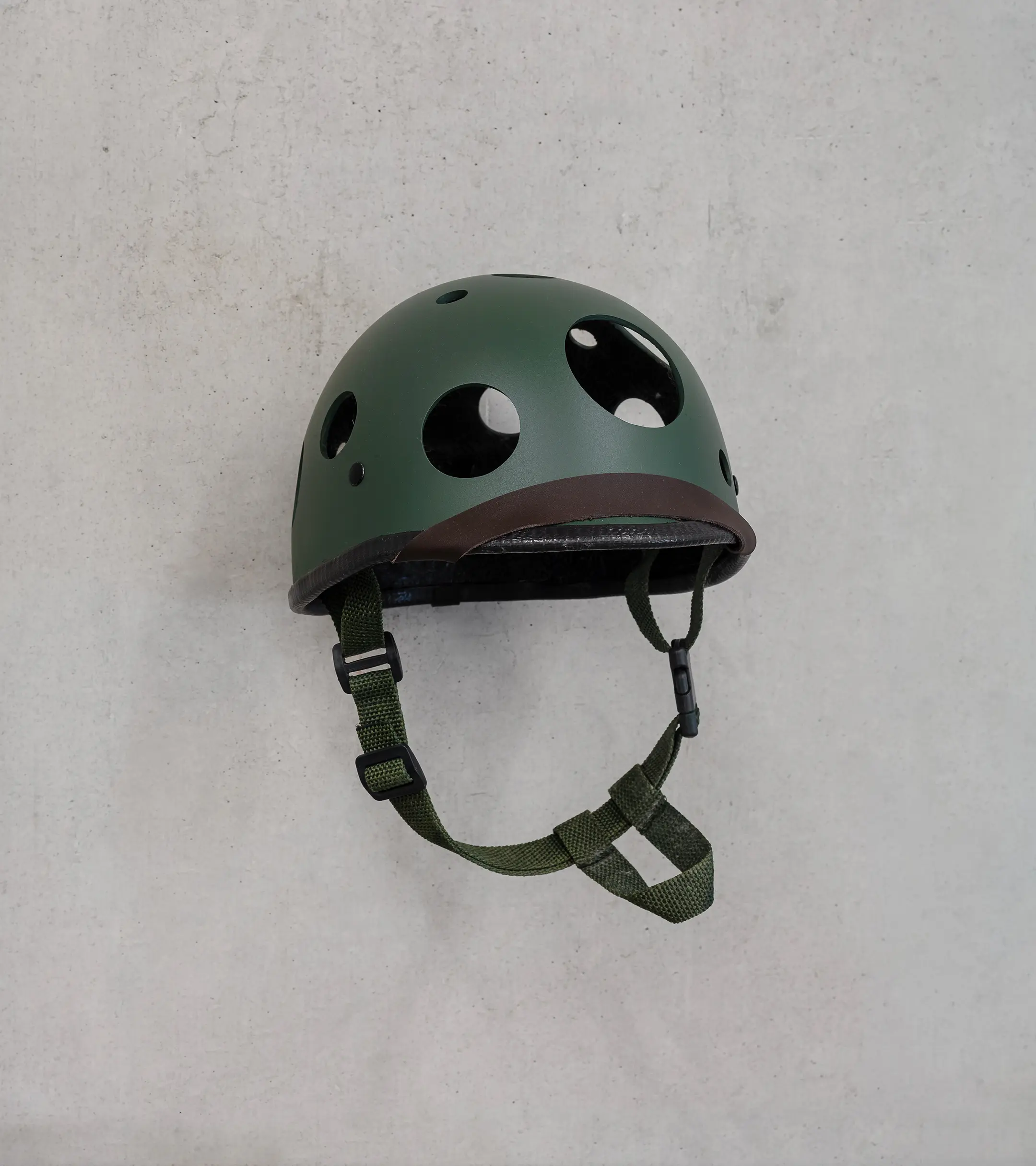
Holes in Your Head, 1.73m / 1933-1945 (contra-retrato de homens pequenos), 2026
Beto Shwafaty
Variable dimensions
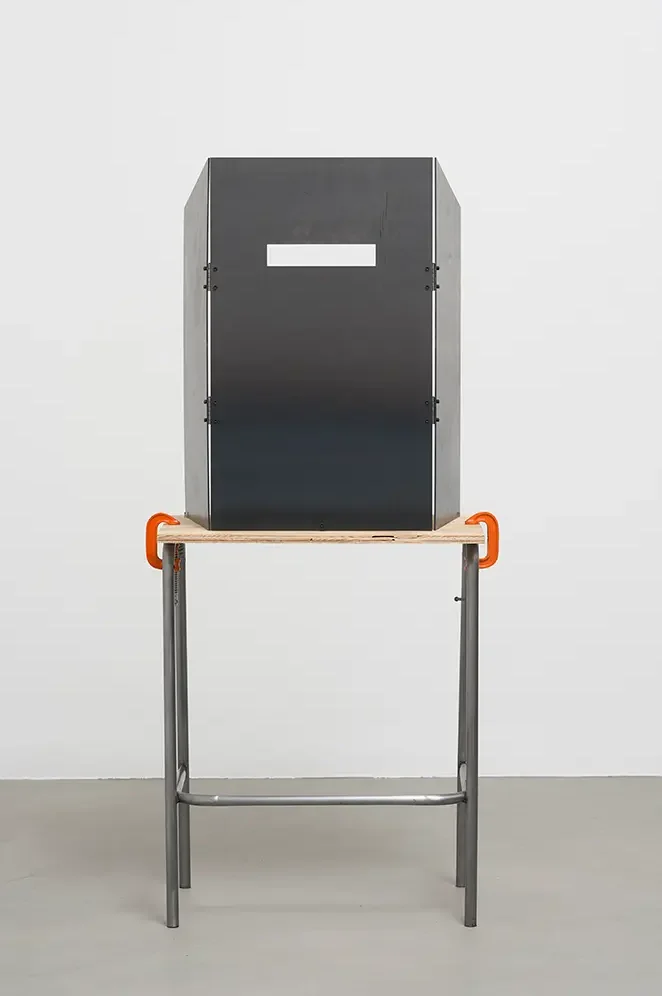
Choque, 2019
Beto Shwafaty
55,5 x 26,4 x 15,7 in
Ed. 1/3 + 2 P.A
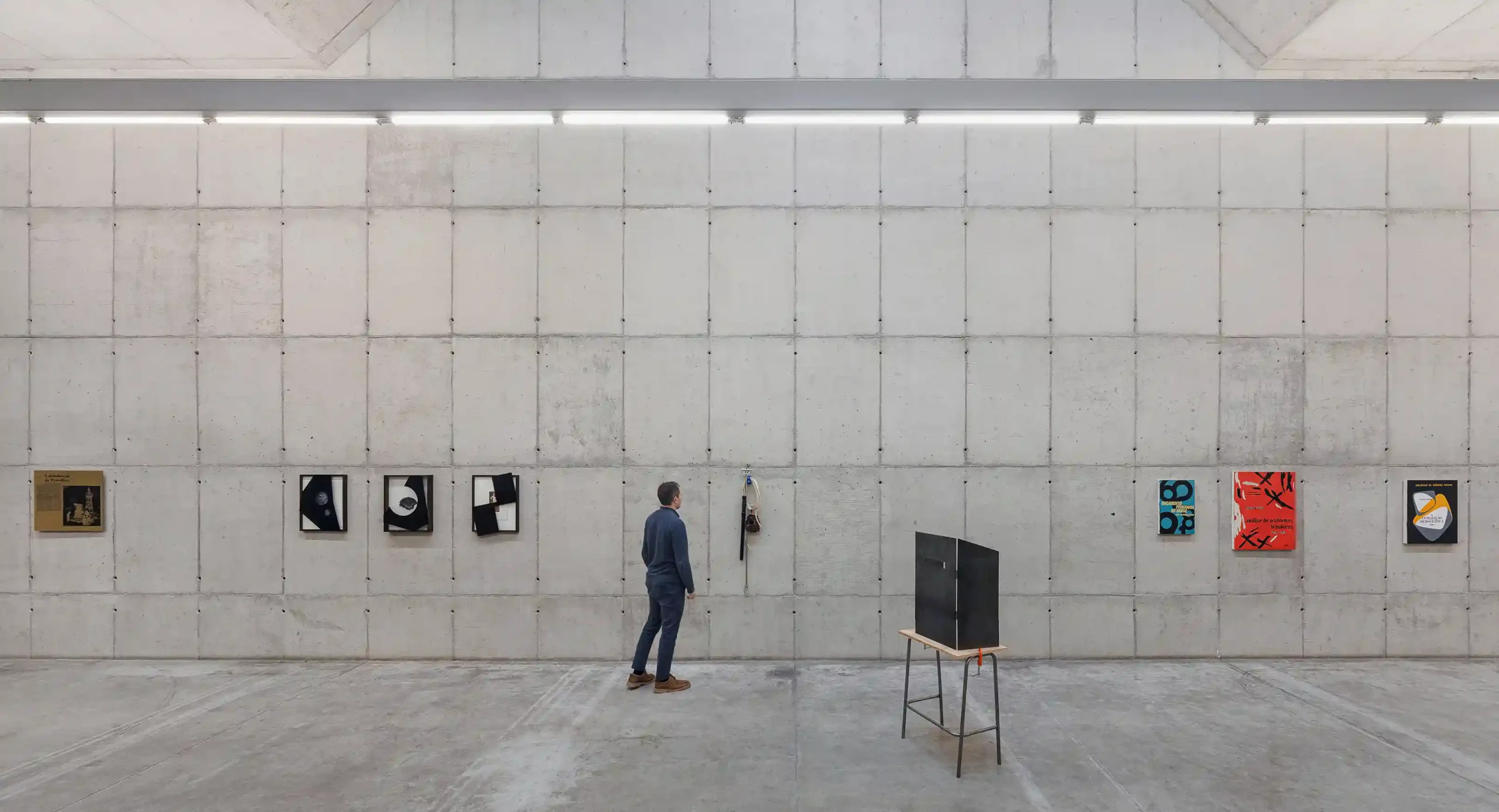
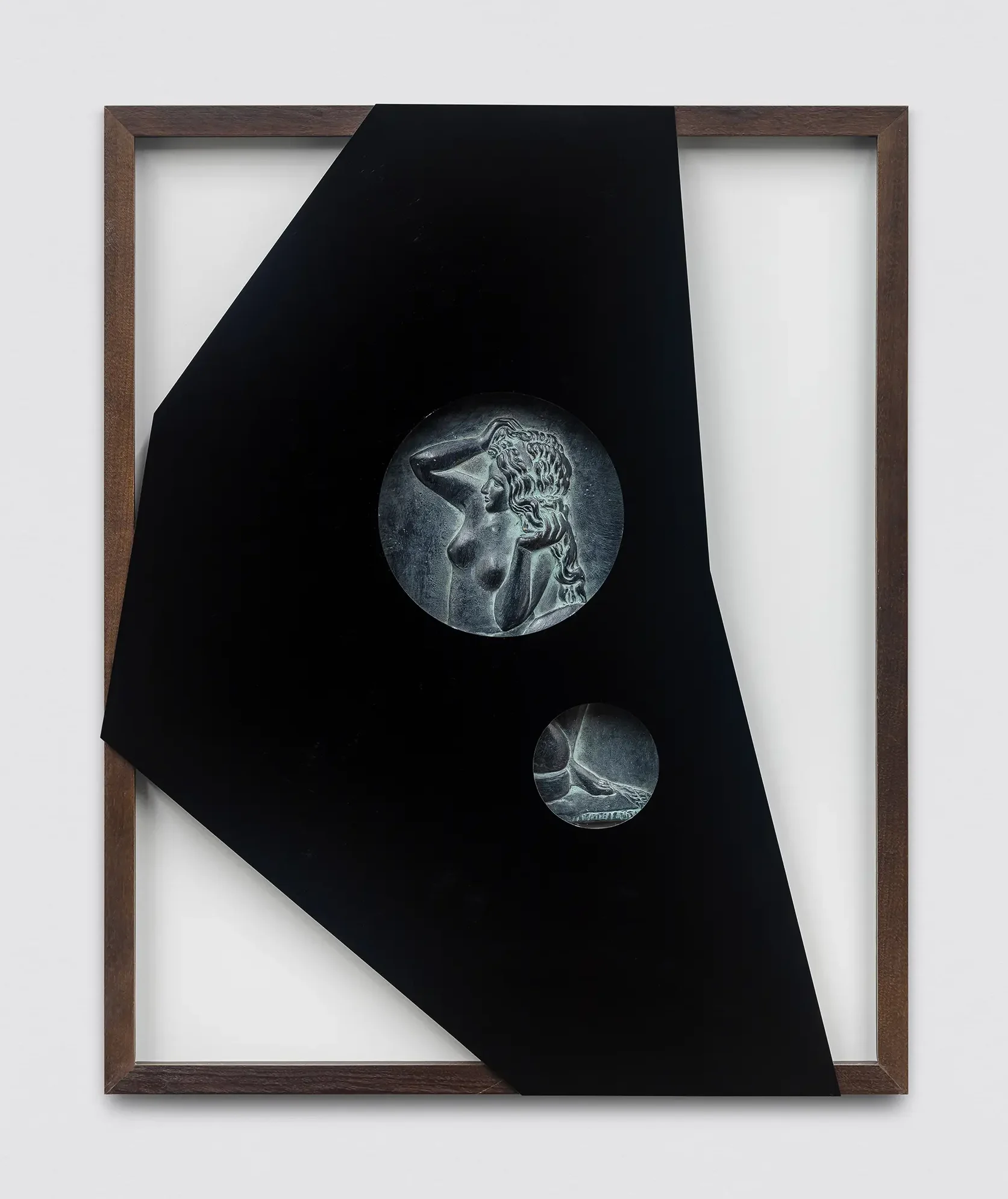
Esquemas Abstratos Conservadores Punitivos III, 2026
Beto Shwafaty
20,5 x 23,2 x 1,8 in
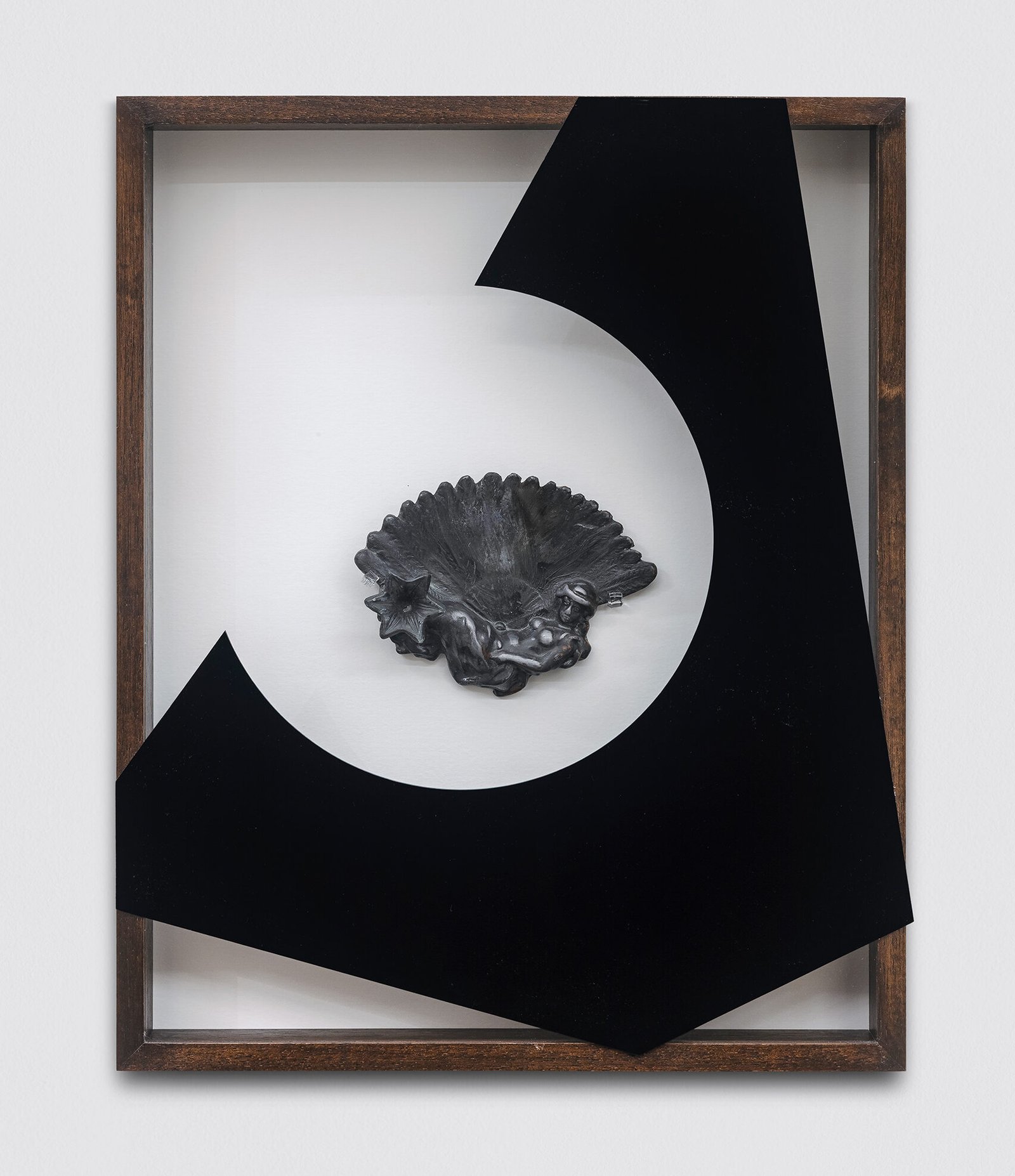
Esquemas Abstratos Conservadores Punitivos V, 2026
Beto Shwafaty
20,5 x 16,9 x 2 in
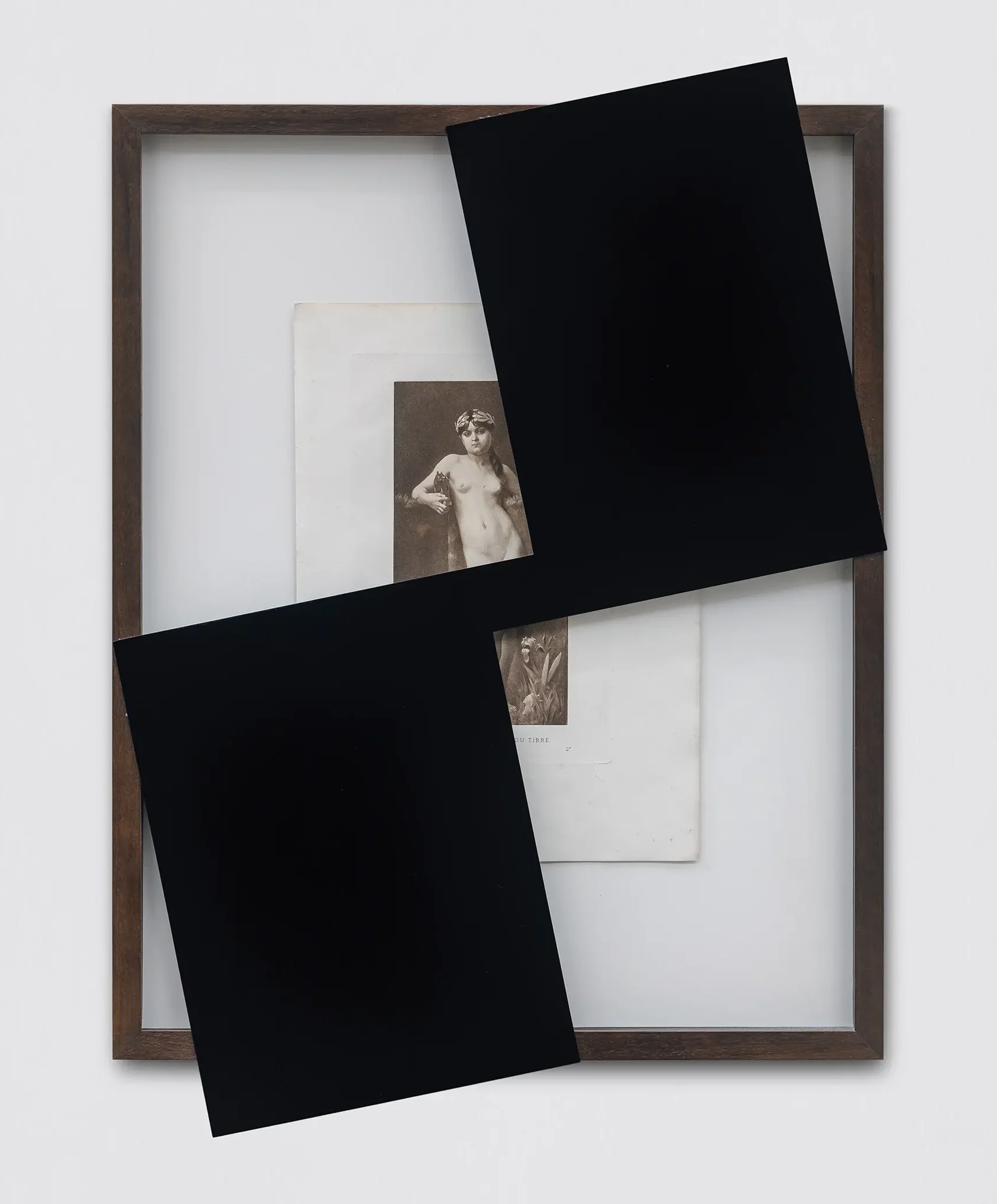
Esquemas Abstratos Conservadores Punitivos IV, 2026
Beto Shwafaty
24 x 16,9 x 2 in

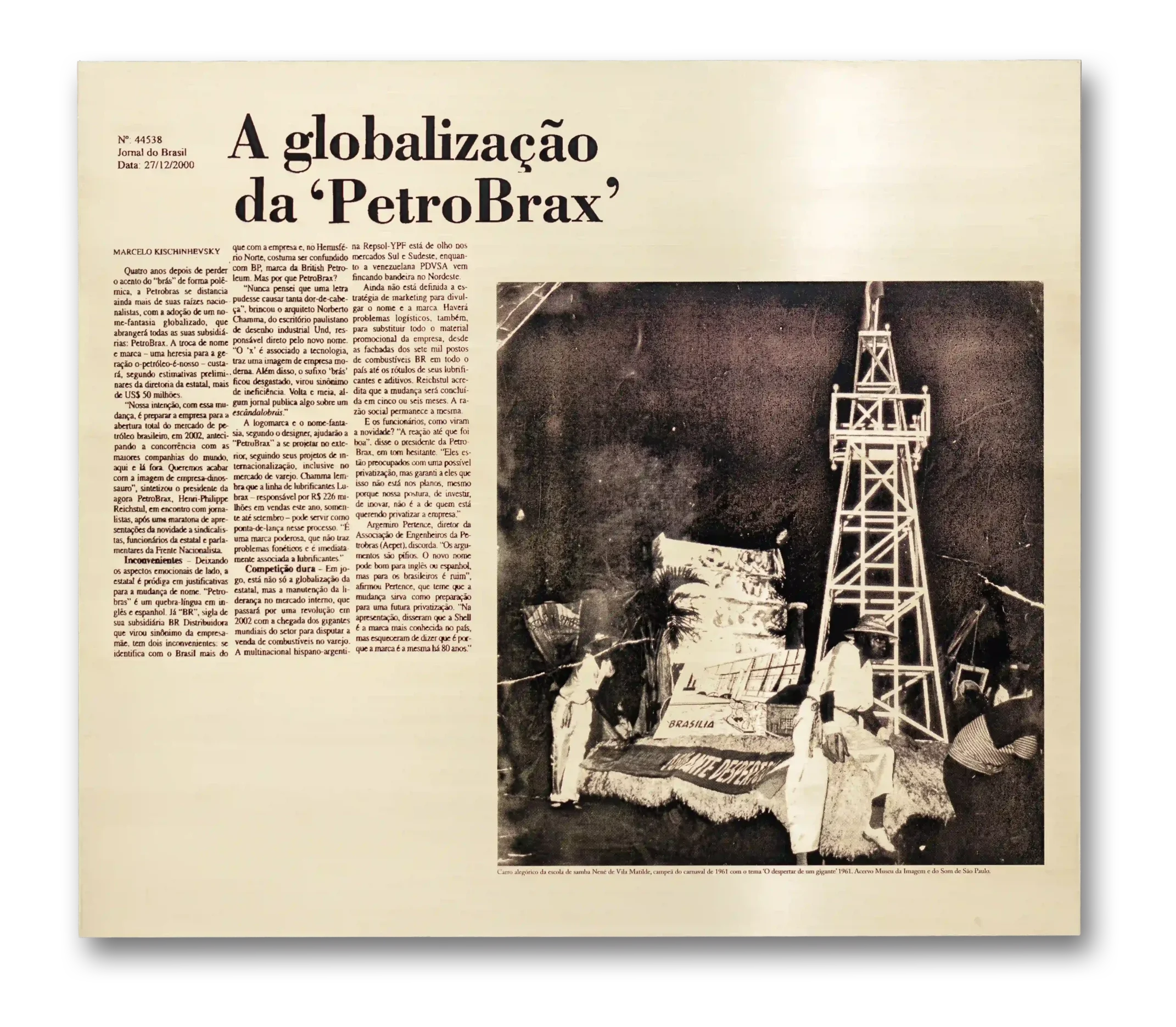
É tudo alegoria, 2015
Beto Shwafaty
22 x 25,2 x 1,2 in
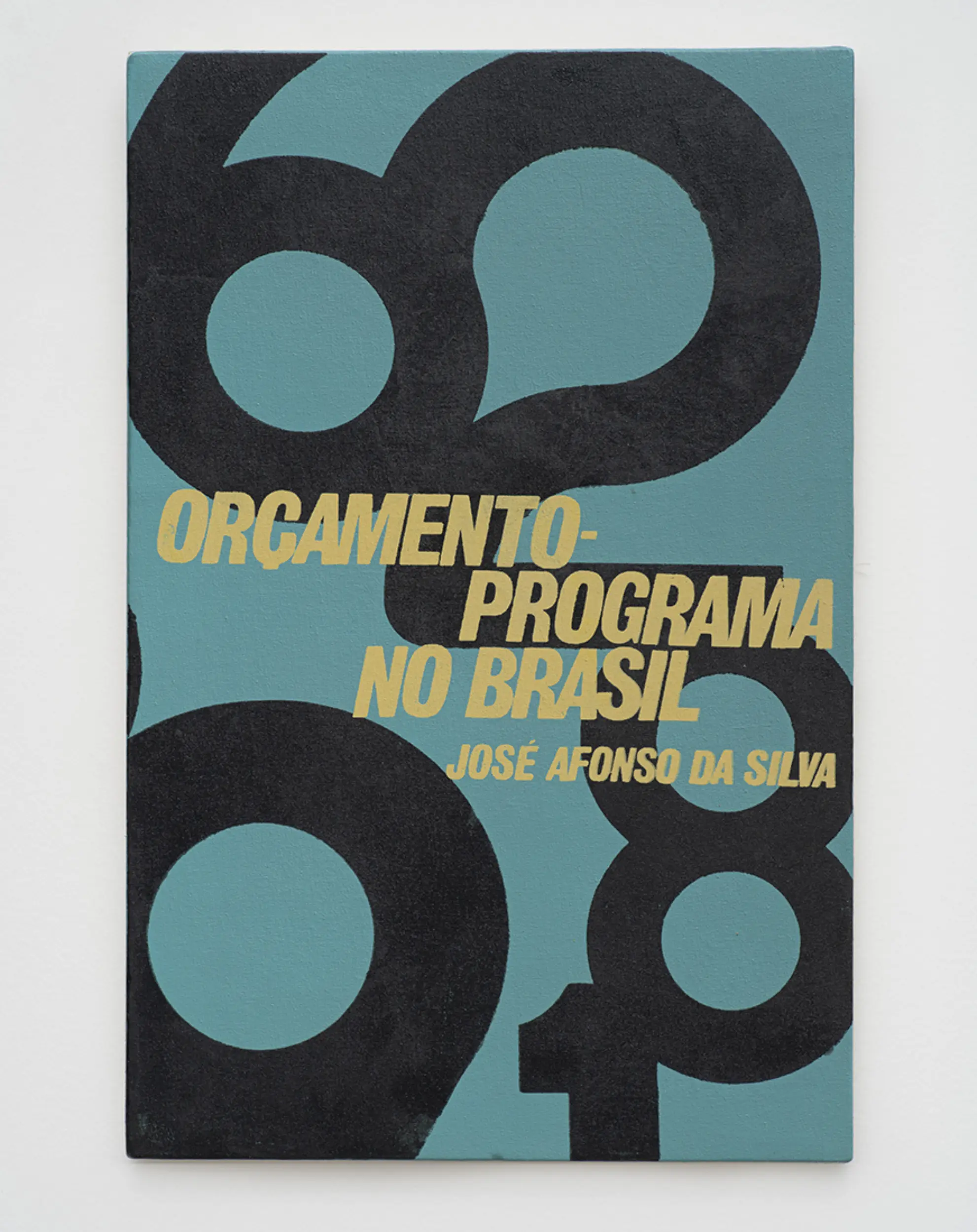
Orçamento do Programa (Reeducação de Adultos), 2019
Beto Shwafaty
19,7 x 13 in
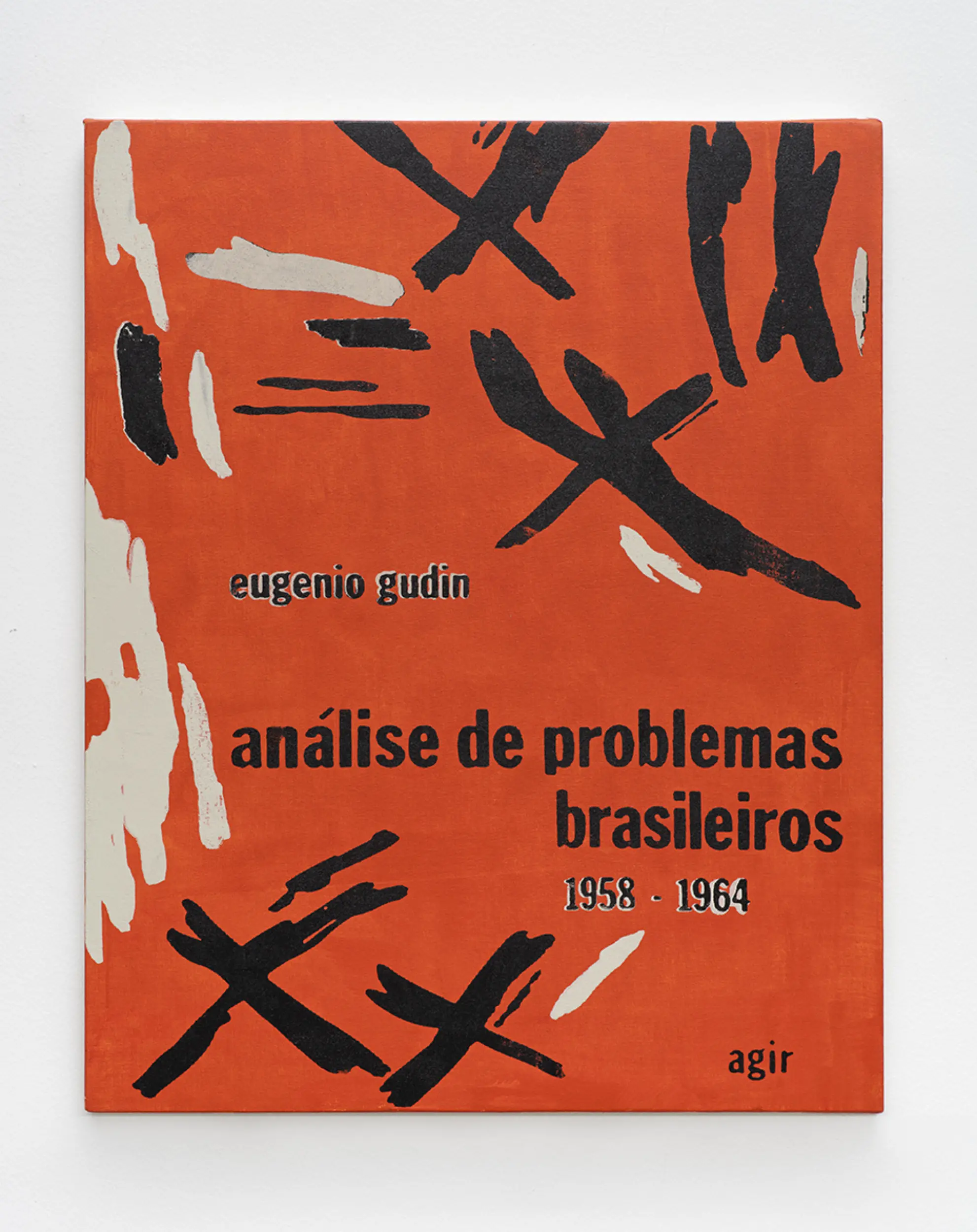
Análise de Problemas Brasileiros (Reeducação de Adultos), 2019
Beto Shwafaty
28,3 x 22,8 in
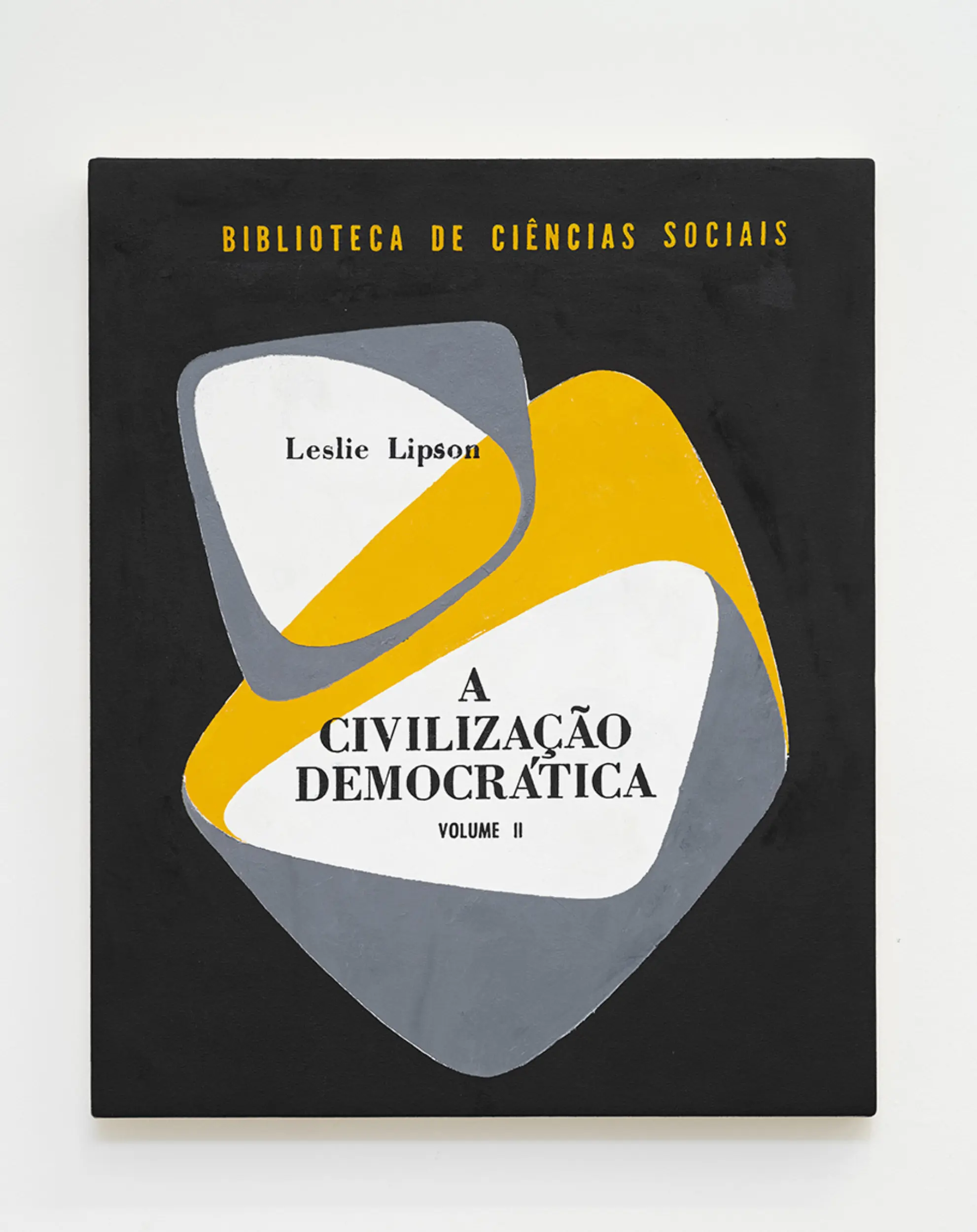
A Civilização Democrática (Reeducação de Adultos), 2019
Beto Shwafaty
23,4 x 19,1 in